AFL concern on decline in Indigenous participation
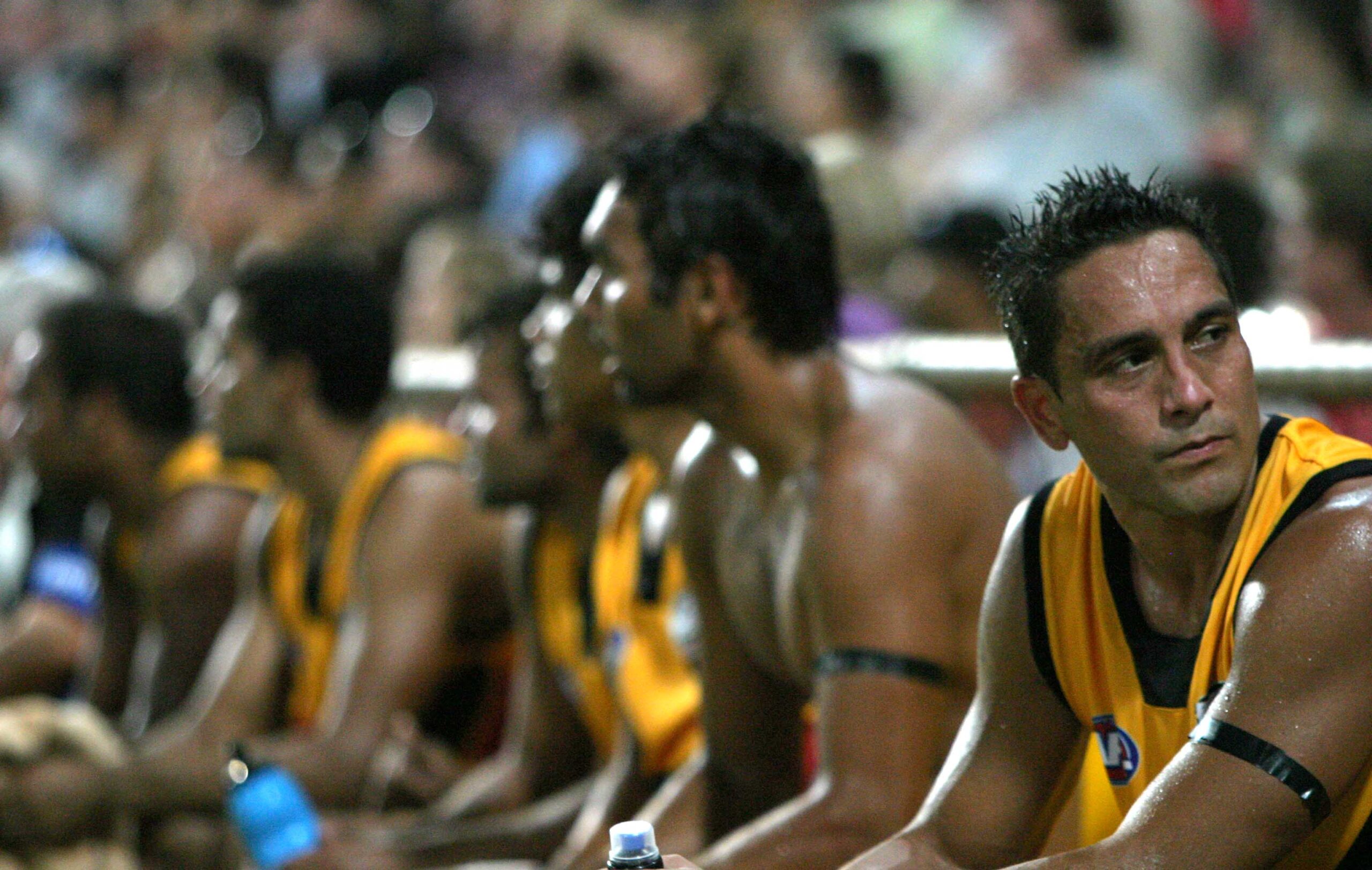
Indigenous participation in the AFL’s top men’s competition has dropped to its lowest level in two decades, prompting calls for urgent, coordinated action across the league, clubs and the players’ union.
Former AFL executive Sean Gorman has reported that the number of Aboriginal and Torres Strait Islander men’s players in the AFL fell from 87 in 2020 to 62 in 2025-26, an approximate 30 per cent decline.
He has argued the AFL, clubs and the AFLPA must consolidate efforts to improve support and cultural safety, or risk further erosion of participation.
Key Points
- Indigenous AFL player numbers fell from 87 in 2020 to 62 in 2025-26
- AFL faces two-decade low, about a 30% downturn in participation
- Pandemic disrupted junior pathways, especially in regional and remote areas
- Dr Sean Gorman cites disconnection from community and kin as major toll
- Club-level support gaps and poor coordination blamed for player disengagement
- Deficit narratives harden recruitment attitudes towards Indigenous players
- Call for AFL Commission to demand measurable outcomes on First Nations Strategy
Dr Gorman told the Guardian Covid-19 severely damaged junior football pathways, especially in regional and remote communities where participation numbers are harder to sustain.
He said this early-stage disruption compromised the entire pipeline into elite ranks, leaving clubs and talent programs with smaller and more fragile cohorts.
According to Dr Gorman, a longstanding historian of the game, when early development and competition opportunities fall away, the impact cascades. Fewer games, weaker competition and disrupted routines change the trajectory for many emerging players long before draft age.
Cultural load, family obligations
Dr Gorman also said that many First Nations players face intense pressures when transitioning into the professional AFL environment.
He said in the Guardian the disconnections from community, country and kinship networks “takes the greatest toll,” and that family obligations are magnified by the history of colonisation, including the effects of the Stolen Generations.
Support gaps and cohesion failures
Dr Gorman said the issue was not lack of talent or desire among Indigenous players. He pointed instead to uneven supports at club level and a failure of administrative cohesion between the AFL and AFLPA, which he said created gaps that players fall through.
Where clubs do not provide culturally safe environments, Dr Gorman says players may disconnect. He said that such outcomes can harden some recruiters against future Indigenous signings.
Dr Gorman worked at the AFL from late 2019 to mid 2025 and led the review of the vilification rule now known as rule 35 or the “Peek Rule.”
He has called on the AFL, its clubs, recruiters, coaching staff and the AFLPA to act in concert, embed cultural safety and track results. He said that without clear metrics, transparent reporting and meaningful engagement with First Nations communities, ambitions to increase participation are unlikely to succeed.