Engagement called for to reduce alarming domestic violence numbers
A major review by the West Australian Ombudsman, tabled in parliament today, has found significant gaps in the State’s response to family and domestic violence, with more than 60 per cent of 388 incidents assessed as high risk of serious harm but only 2.5 per cent escalated for co-ordinated multi-agency intervention.
The review reported that Aboriginal people make up 35 per cent of all family and domestic violence fatality victims in Western Australia, while representing 3.3 per cent of the State’s population.
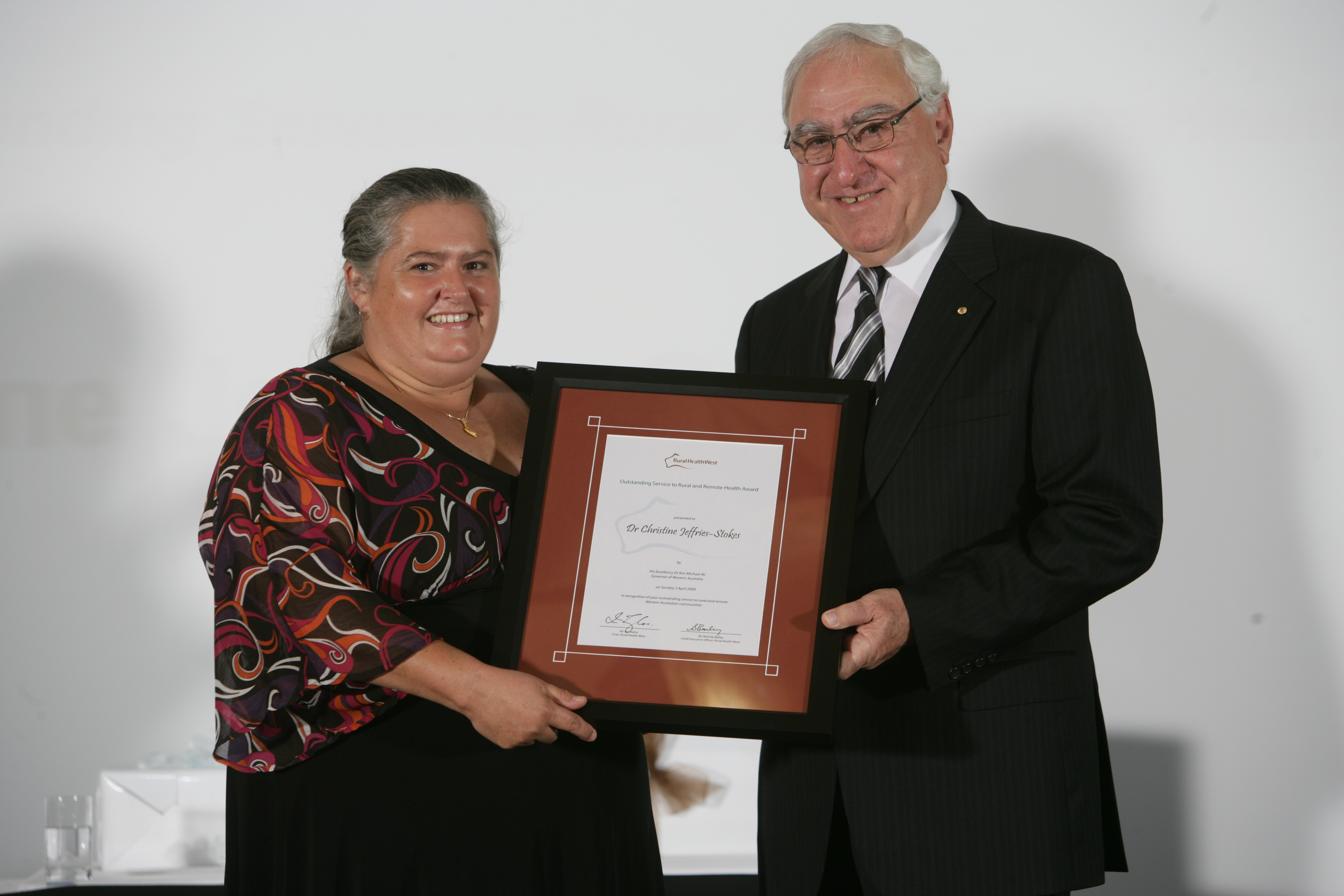
Ombudsman Bevan Warner, pictured, cautioned against normalising this disparity and said solutions will only emerge through authentic engagement with Aboriginal communities.
The report positions this over-representation as a critical equity and safety concern, signalling the need for responses that recognise and address the specific vulnerabilities faced by Aboriginal families and communities.

West Australian Ombudsman Bevan Warner.
Major coordination issues
Mr Warner said the results reveal significant coordination issues between agencies charged with risk assessment and victim support. He emphasised the pressures on response teams and the need to adhere to settled processes designed to manage and mitigate risk in high-demand settings.
“More people than ever are coming forward in need of protection and response teams are operating in a challenging and high-demand environment. This makes following settled procedures for assessing and acting on risk even more important,” Mr Warner said.
“A key finding of this review is that the Department of Communities and WA Police must be united and working from the same script when assessing risk.”
Key Points
- 61 per cent of 388 cases assessed high risk, but only 2.5 per cent escalated
- Police left 24 per cent of required risk questions unstated or unknown
- Children present in 40 per cent of incidents, often without individualised support
- One perpetrator linked to 81 incidents, signalling poor accountability
- Insights include 237 FDV fatalities examined since 2012
- Aboriginal people 35 per cent of fatalities but 3.3 per cent of WA population
- Nine recommendations target risk, escalation, data and accountability
Findings of the Review
The review of family and domestic violence in WA examined how government agencies respond after police attend family and domestic violence incidents. The review found that established procedures to identify and respond to high-risk cases are not always followed.
“More people than ever are coming forward in need of protection”
— Bevan Warner, Ombudsman Western Australia
Mr Warner stated that the Department of Communities and WA Police must work from the same framework when assessing risk. The review indicates that a unified approach to risk assessment is critical to ensure victim-survivors receive timely support and that those who use violence are held to account.
“We have a system that is not working to support victims as well as it should. The system relies on risk-based planning and support services need reliable risk assessments to help keep victim survivors safe.” Mr Warner said.
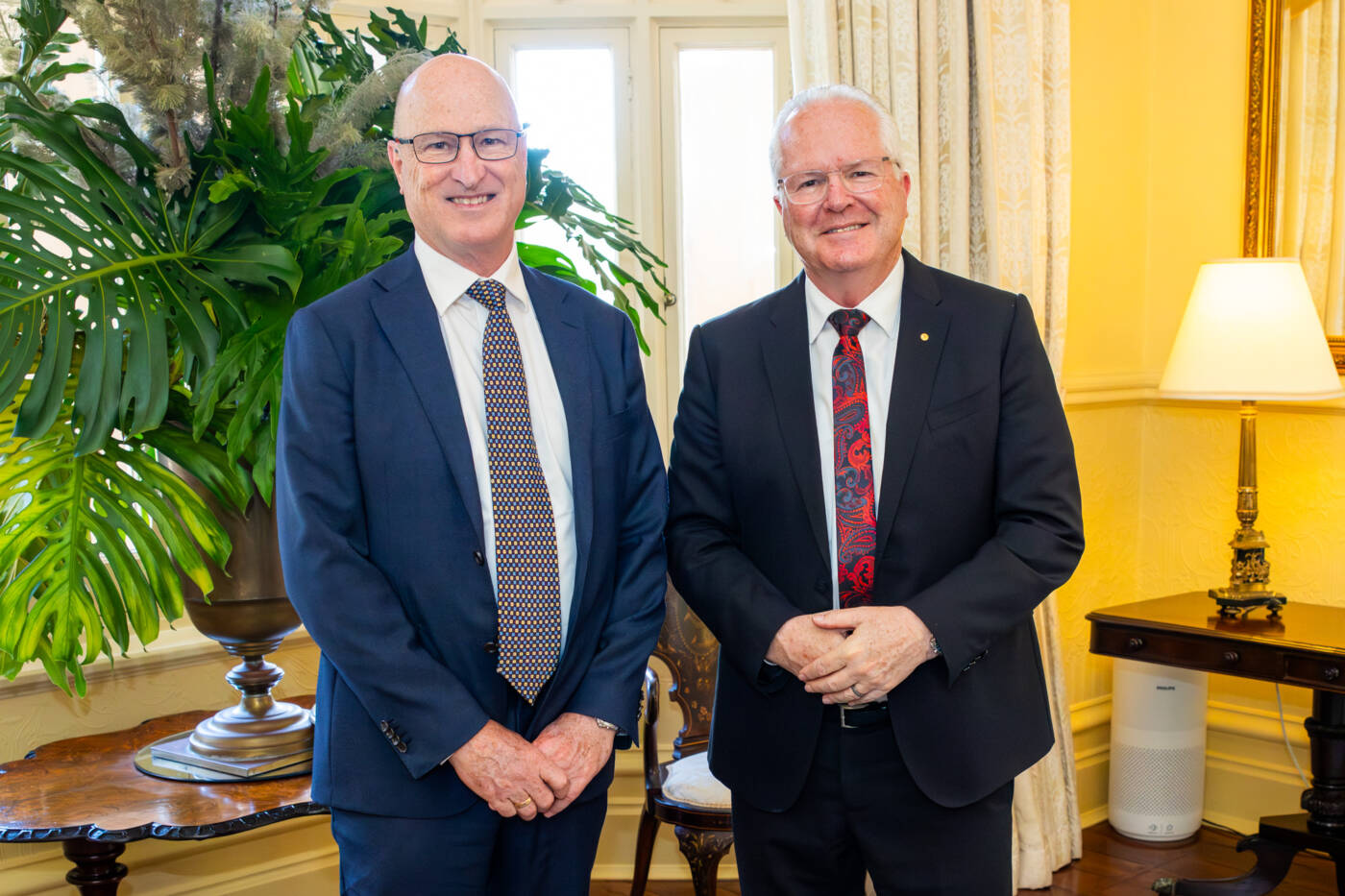
Mr warner on his appointment by WA Governor Chris Dawson last year.
Risk assessment and escalation
Key process failings were identified in frontline risk assessment and subsequent escalation. Police recorded 24 per cent of required risk questions as unstated or unknown. Despite 61 per cent of reviewed cases meeting the threshold for high risk of serious harm, only 2.5 per cent were escalated for extra support and co-ordinated multi-agency case management.
The Ombudsman characterised the systemic gaps as undermining the State’s ability to provide consistent protection and intervention. The report underscores the importance of reliable and complete risk assessments to guide immediate safety planning and longer-term support.
“We have a system that is not working to support victims”
— Bevan Warner, Ombudsman Western Australia
Children and perpetrators
Children were present in 40 per cent of incidents reviewed, yet many did not receive individualised support. The review found ongoing shortfalls in perpetrator accountability, noting one perpetrator was involved in 81 separate incidents.
The report highlights that risk-based planning is central to safeguarding victim-survivors, and that support services require dependable, well-documented risk assessments to be effective.
The review drew on insights from the Ombudsman’s examination of 237 family and domestic violence fatalities since 2012. According to the Ombudsman, warning signs are frequently known before a death occurs, reinforcing the need to identify and respond to risk indicators earlier and more consistently.
Mr Warner said the responsibility of government agencies is to extract every possible lesson from these tragedies to reduce the likelihood of future deaths. He stressed that prevention depends on strengthening systems where risk signals are identified, shared and acted upon without delay.
Role of Response Teams
The review focuses on the operation of Family and Domestic Violence Response Teams (FDVRTs). These are multi-agency teams intended to ensure victim-survivors receive timely support and that people who use violence are held accountable. The findings suggest the intended multi-agency model is not consistently realised in practice, particularly for high-risk cases that require co-ordinated case management.
According to the report, better alignment between agencies on risk identification and action is essential to make FDVRTs function as designed. The review calls for agencies to apply a common risk framework and escalate serious cases to ensure comprehensive oversight and intervention.
Recommendations and next steps
The report makes nine recommendations aimed at strengthening Western Australia’s response to family and domestic violence.
These include improving how risk is assessed and recorded, ensuring high-risk cases are escalated for co-ordinated intervention, strengthening responses for children and vulnerable groups, improving data systems and increasing accountability for people who use violence.
“The recommendations in this report are designed to help build a safer and more effective response system for West Australians,” Mr Warner said.
“My office will continue to monitor and report on agencies’ progress to implement the recommendations.”