Ancestral remains return to Country after a century in a British museum
The remains of an Aboriginal man taken to London in 1900 have been reburied on Country at a secret site near Berowra Creek, north of Sydney, following a repatriation from Oxford’s Pitt Rivers Museum.
The community-led ceremony marked the end of an almost 130-year absence from his homeland.
Known as ‘Uncle’ he had been removed from his grave in the late 1890s and kept for nearly 130 years in a British museum. Personal details including his name, age, and cause of death are unknown.
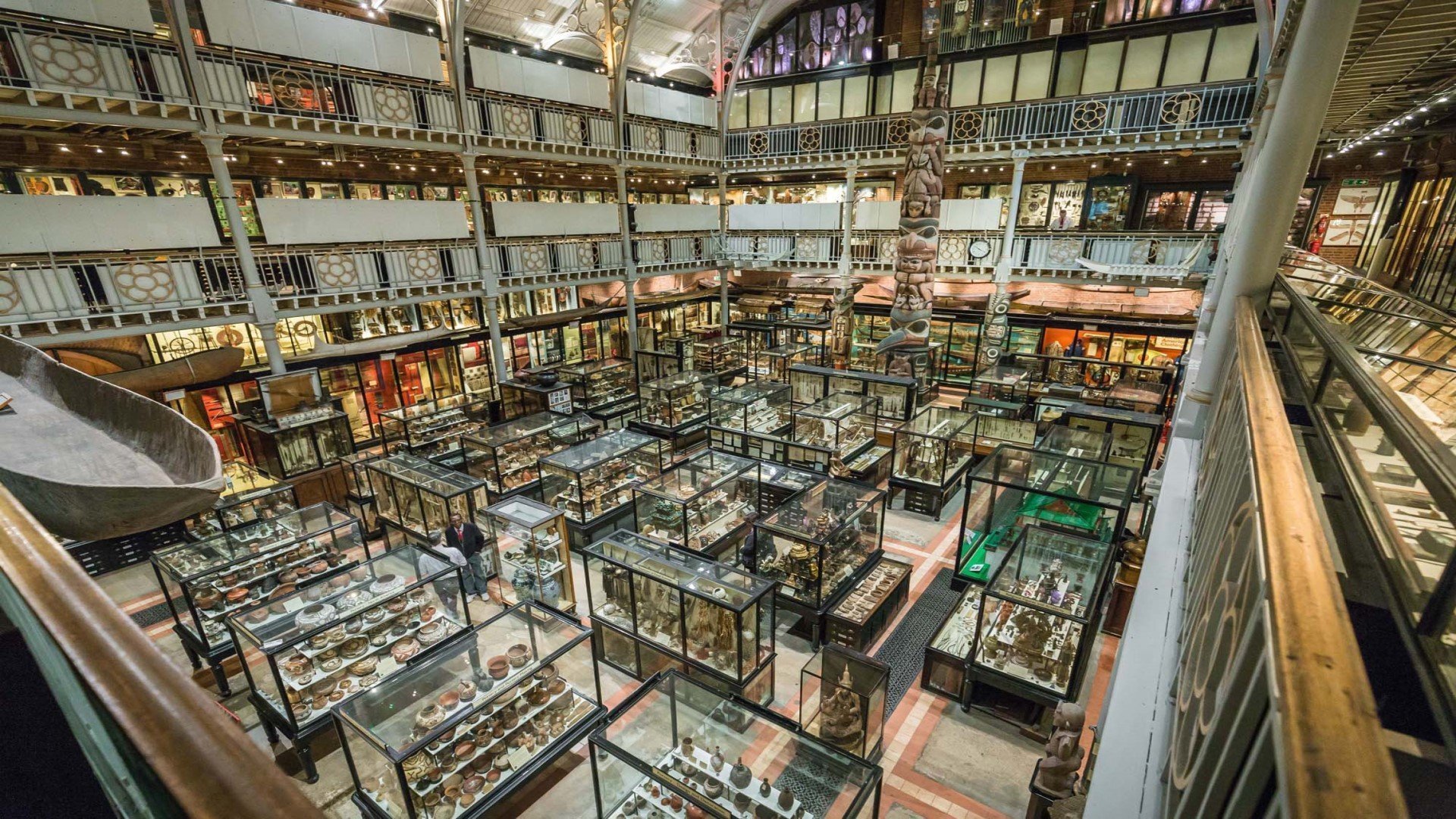
The Pitt Rivers Museum in Oxford.
Indigenous elders led a ceremony of clapsticks and smoke as Uncle was laid to rest. His remains are preserved in a protective box and buried in a dedicated repatriation spot believed to be near where he was originally taken.
The resting place will be maintained by the Metropolitan Local Aboriginal Lands Council and NSW National Parks and Wildlife. Community members described mixed emotions as they gathered among eucalypts and birdsong for the burial.
Key Points
- Aboriginal man taken to London in 1900 reburied on Country near Berowra Creek
- Remains stored for almost 130 years in a British museum, then returned
- Pitt Rivers Museum handed back human remains in October 2023
- Reburial led by elders with clapsticks and smoke in a secret location
- Resting place to be maintained by Metropolitan Local Aboriginal Lands Council and NSW National Parks
- Eight communities and the Australian government initiated repatriation in 2017
- Calls continue to return thousands of First Nations remains from overseas institutions
Nathan Moran, CEO of the Metropolitan Local Aboriginal Land Council, has accompanied Uncle since the Pitt Rivers Museum at the University of Oxford returned human remains in October 2023. Moran described the homecoming as deeply significant for community and Country.
“That’s the greatest feeling of all, is to know he’s home,” Mr Moran told the ABC.
Gomeroi elder Raymond Weatherall led the smoking ceremony, playing clapsticks and using sandalwood and a healing plant from Gomeroi Country. He emphasised cleansing and renewal, describing the practice as a continuation of cultural law and connection.
Weatherall’s approach centred on the healing qualities of smoke and plant oils, which he said would seep into the soil and carry “Gaba Dhuwi” — good spirit. The ceremony was designed to ensure Uncle returned to rest on Country with respect and cultural care.
Repatriation effort
The journey to bring Uncle home began in 2017, when a collective of eight Aboriginal and Torres Strait Islander communities, alongside the Australian government, requested the repatriation of remains. In 2023, the Pitt Rivers Museum at Oxford University committed to return the remains of 11 ancestors to representatives of the respective Aboriginal and Torres Strait Islander communities and the Australian government.
The museum said the acquisition of ancestral remains was part of a problematic history of archaeology and anthropology that caused much hurt. Museum director Laura Van Broekhoven thanked Indigenous leadership in the process.
“We are pleased that the ancestors are finally able to return home,” Ms Van Brockhoven told the ABC.
Uncle Allan Murray, chairperson of the Metropolitan Local Aboriginal Land Council, travelled to England as part of the delegation to ensure the return of ancestral remains. He said delegates pledged to do their best to secure repatriations for all communities with ancestors still held overseas.
“Australia won’t be a safe place until we got those cultural returns back,” Mr Murray said.
Continuing the work
The delegation and local custodians said the return underscored the need for ongoing collaboration with institutions holding human remains.
The Pitt Rivers Museum’s October 2023 handback of its collection of human remains formed a key step in this case, and representatives said they would continue to pursue further returns in line with community wishes.