WA Leads the Way in Indigenous Procurement
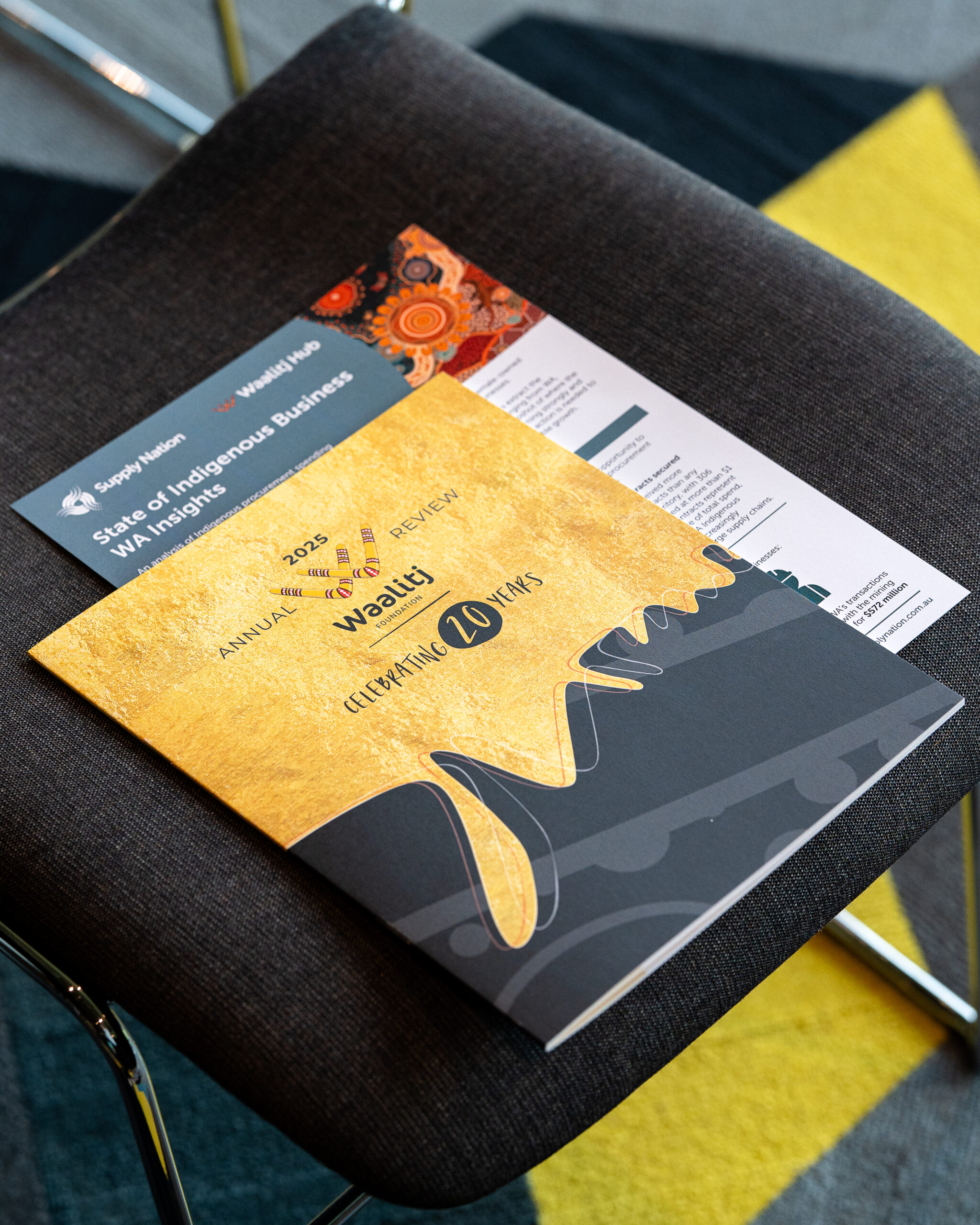
Supply Nation announced the launch of its State of Indigenous Business: WA Insights Report in Perth today highlighting the fact that Western Australia accounted for more than a third of all national spend with its suppliers in 2024–25.
WA drove 36 per cent of national Indigenous procurement in 2024–25, led by mining, high‑value contracts, and strong outcomes for female‑owned suppliers.
Total spend by Supply Nation members reached $2.1 billion with WA-based suppliers. This contributed to a new national milestone of over $5.83 billion in procurement spend with verified Indigenous-owned businesses, up from $4.6 billion the previous year.
Key Points
- Supply Nation reports $2.1B spent with WA Indigenous suppliers in 2024–25
- WA accounts for 36 per cent of national Indigenous procurement via Supply Nation
- National spend surpasses $5.83B, up from $4.6B the previous year
- Mining drives $1.1B in WA spend and most high‑value contracts
- WA leads for female‑owned suppliers with $708M in procurement
- 306 WA contracts exceeded $1M, the most of any jurisdiction
- SMEs drove 87 per cent of WA spend but face structural access barriers
In collaboration with the Waalitj Hub, the report attributed WA’s performance to strong participation in large‑scale industries. Indigenous businesses in WA participate strongly in mining and construction, with a growing dominance of high‑value contracts.
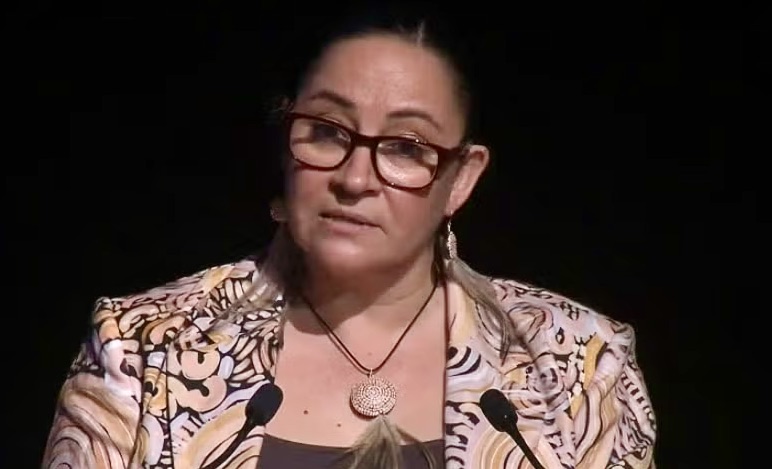
“The report we’re launching today, the State of Indigenous WA Insight, dives deeper… and looks specifically at the West Coast,” Supply Nation CEO Kate Russell told First Nations News.
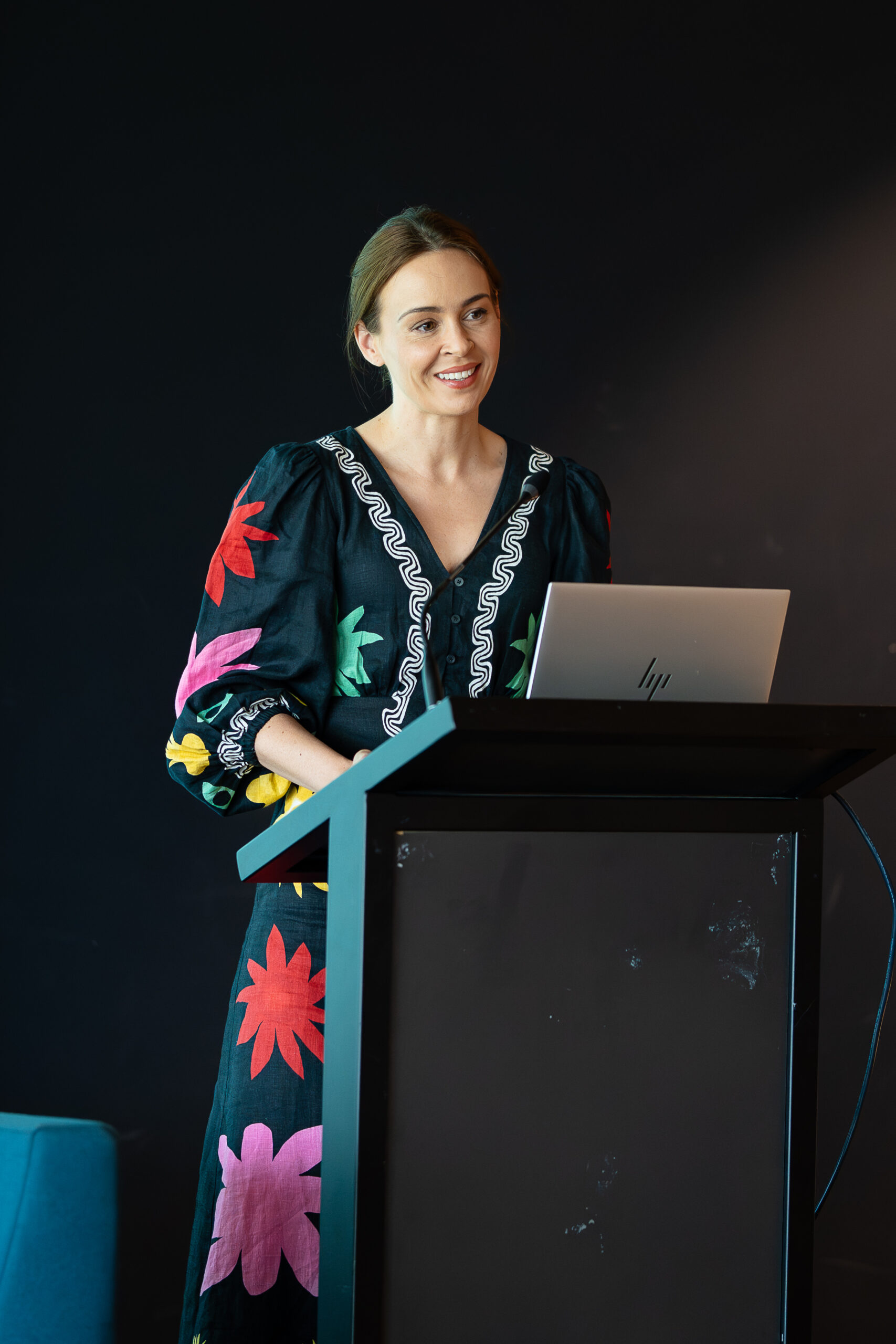
“The mining sector remains the primary driver… ultimately, $1.1 billion in contracts.
“WA is the national leader for procurement with female-led [businesses]… $780 million.
“And collaboration between members and suppliers is producing positive change that’s increasing social outcomes, not just for mob, but for Australia.”
The mining sector remains the primary driver of Indigenous procurement in WA, accounting for approximately $1.1 billion in spend during 2024–25. WA suppliers received more high‑value contracts than any other state or territory, with 306 transactions valued at more than $1 million. These contracts represent a substantial share of total spend, indicating that WA Indigenous businesses are increasingly participating in large supply chains.
Female‑Owned Businesses
WA is also the national leader in procurement with female‑owned Indigenous businesses. These businesses received a total of $708 million in procurement spend, representing almost half of the national total with female‑owned Indigenous suppliers. Notably, 73 per cent of WA’s transactions over $1 million were awarded to female‑owned businesses, with the mining sector alone accounting for $572 million.
“There’s a lot to celebrate… but also significant opportunities for increased contracts,” Ms Russell said.
SMEs Central but Face Access Barriers
Small‑to medium‑sized enterprises accounted for 87 per cent of total WA procurement spend, confirming their significant role in the Indigenous business sector. However, the report notes that Supply Nation members showed a clear preference for suppliers with annual revenues above $10 million, suggesting that smaller and younger businesses face structural barriers to accessing high‑value opportunities.
Within Supply Nation’s verification categories, the data indicates a split outcome. In a departure from the national trend, Registered Suppliers (businesses that are 50 per cent or more Indigenous‑owned) in WA received higher total spend ($1.15 billion) despite fewer transactions.
Certified Suppliers (businesses that are 51 per cent or more Indigenous owned) received a greater volume of transactions but achieved lower overall value ($980 million).
Geographic Concentration
Procurement in WA remains heavily concentrated in urban areas. The report records $1.6 billion directed to city‑based suppliers, compared with $546 million to rural and remote businesses. The findings highlight limited engagement with smaller, younger and remote businesses and suggest a continuing concentration of spend with a small number of suppliers, industries and urban locations.
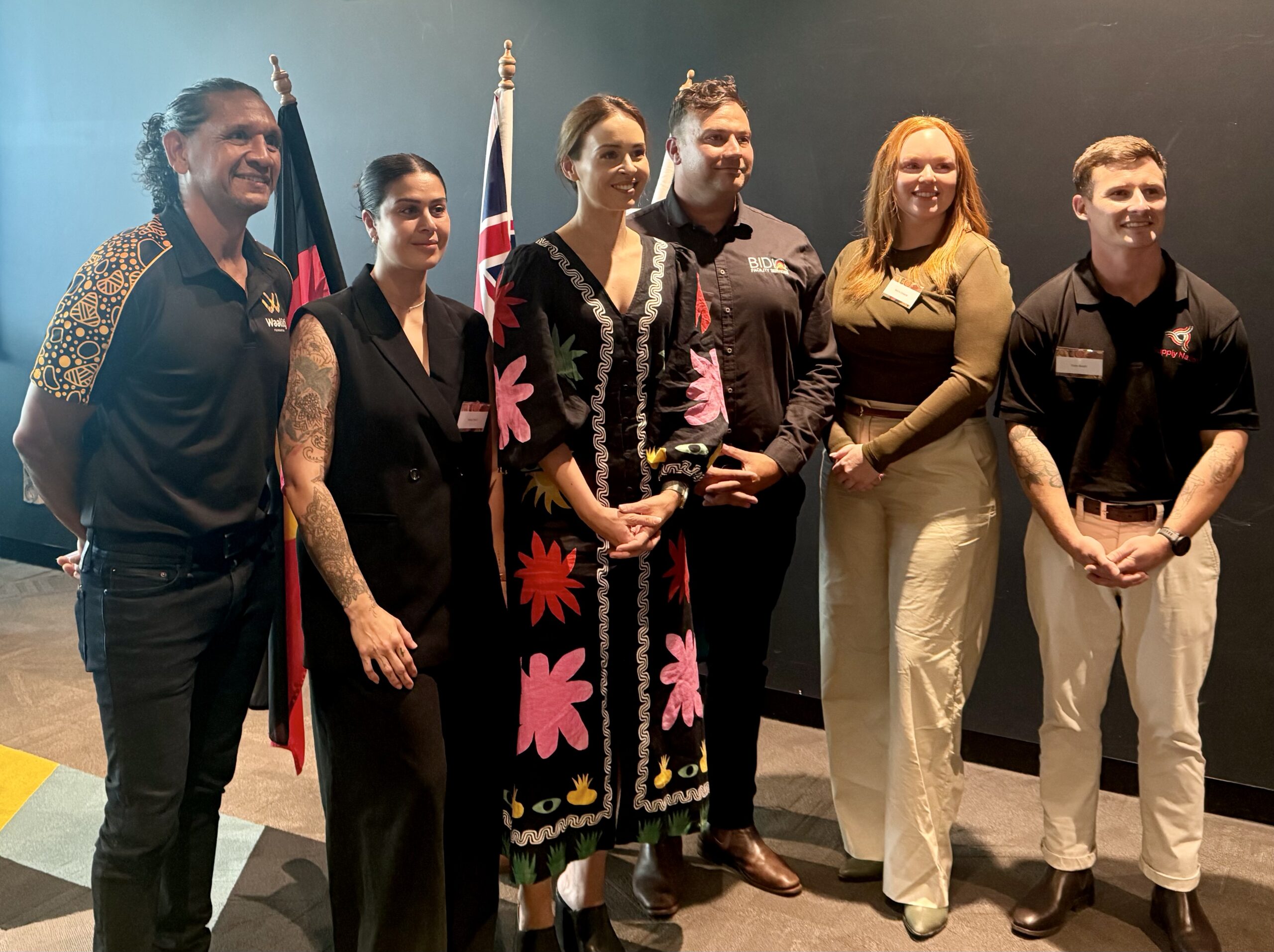
Ms Russell, a proud Awabakal woman, underscored the importance of WA to the organisation’s focus and operations, noting recent steps to strengthen on‑the‑ground presence.
“Western Australia is an important jurisdiction. It’s essential that Supply Nation is focused on WA”
— Kate Russell, Supply Nation
Ms Russell said the organisation had reopened its Perth office and increased local staffing levels to meet the needs of members and suppliers. She also announced that Connect, Australia’s largest and longest‑running business event for the Indigenous business sector, will take place in Boorloo.
Connect 2026 will be held on 11–12 August at the Perth Convention and Exhibition Centre in Boorloo, with a Knowledge Forum, Tradeshow and Gala Awards Dinner.
Ms Russell said the event is an opportunity to transact and celebrate outcomes across the sector.
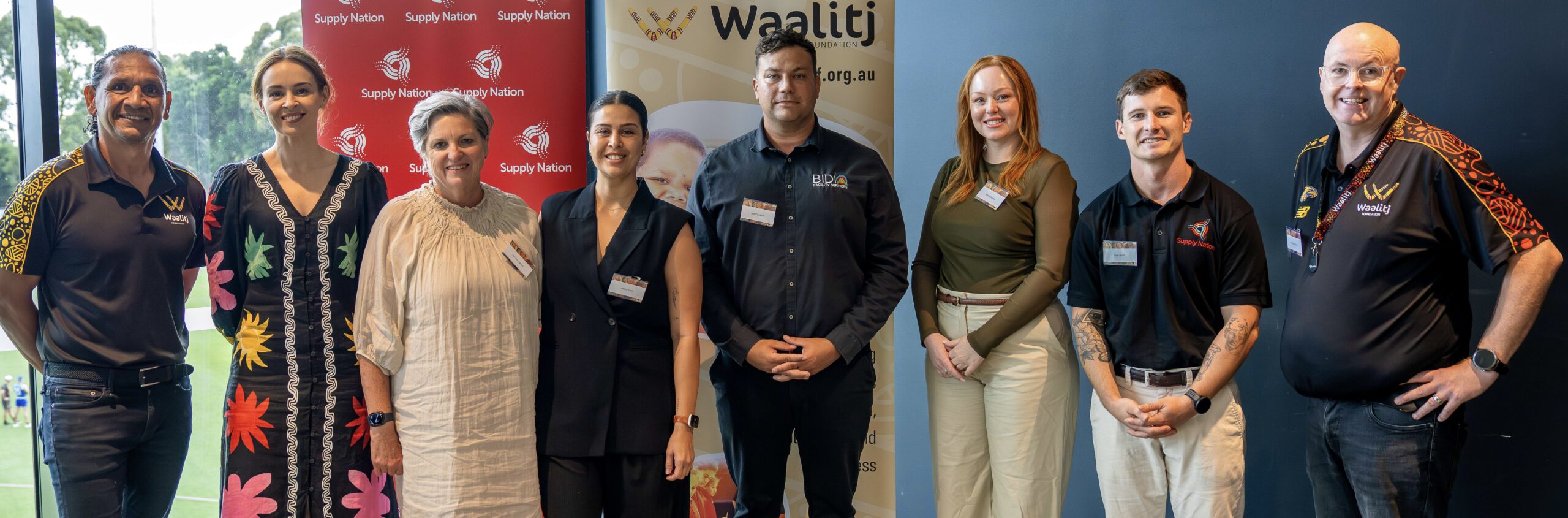
“We have a long-standing relationship with the Waalitj Hub and were very pleased to have the opportunity to partner with them to produce this report. Supply Nation and Waalitj Hub represent two components of a broader Indigenous business ecosystem and by collaborating, it is our hope that we can ensure Indigenous businesses achieve their unique aspirations and full potential,” she said.
Broader Economic and Social Value
The report also referenced previous Supply Nation research, The Sleeping Giant Rises, which found that for every dollar of revenue produced by Indigenous‑owned businesses, $3.66 of positive economic and social value was generated into the Australian economy.
Social value refers to the positive changes seen through an Indigenous lens of wellbeing – one that encompasses people, Country, and Culture.
Membership Activity
WA‑based members alone contributed $1.4 billion in transactions across all jurisdictions, demonstrating the scale and influence of the WA market beyond State borders. The 2024–25 financial year showed significant growth in procurement spending with Indigenous suppliers, reflecting ongoing efforts to strengthen supplier diversity and economic participation across Australia.
The report highlights engagement gaps that persist despite strong corporate participation, and reinforces the importance of verification with Supply Nation along with capability building and initiatives to ensure wider participation across the sector.
About Supply Nation
Supply Nation is Australia’s leading supplier diversity organisation. Since 2009, it has worked with Aboriginal and Torres Strait Islander businesses and procurement teams from government and corporate Australia to help shape today’s Indigenous business sector. Its verification process ensures all businesses listed on Indigenous Business Direct are Indigenous owned and regularly audited for changes in company structure.