Call for carbon credit rules to support Indigenous stewards
By POPPY JOHNSTON
Traditional custodians who have cared for Country for generations often miss out on carbon credits, while other landholders are rewarded for damaging and then restoring land.
A coalition of environmental science and legal experts are calling for a “correction” to carbon credit rules to support Indigenous people keeping nature in pristine shape.
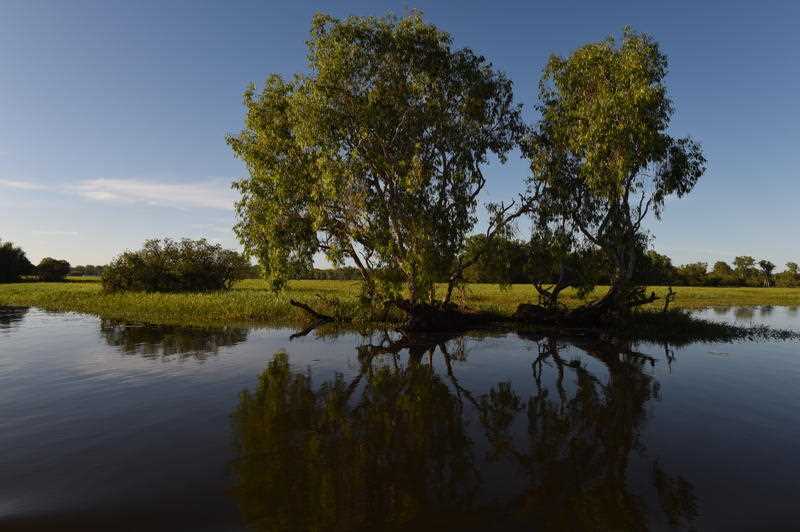
RMIT’s Peter Macreadie has watched the tension play out first-hand while working with traditional owners to assess wetlands with carbon-absorbing potential.
“The ecosystems were simply too intact to qualify for carbon credits,” the director of the university’s Centre for Nature Positive Solutions said.

Professor Peter Macreadie is the director of RMIT’s Centre for Nature Positive Solutions.
“Our research shows carbon markets may be producing a perverse outcome: rewarding those who damaged land in the past while excluding Indigenous custodians who for generations have cared for Country,” he said.
Under the current scheme, projects that absorb carbon are granted credits that can then be purchased by companies and organisations seeking to offset their own emissions.
Landholders can get paid for either removing or avoiding carbon emissions via a number of recognised methods, such as reforestation.
Indigenous people should be recognised
To maintain confidence in the scheme, the rules make sure credits only flow into climate action that would not have happened otherwise, a principle known as “additionality”.
Professor Macreadie says the definition of additionality is the problem.
It rewards restoration on degraded land, he said, while treating healthy, long-maintained ecosystems as the baseline, ignoring the work that goes into eradicating pests and other management by First Nations groups.
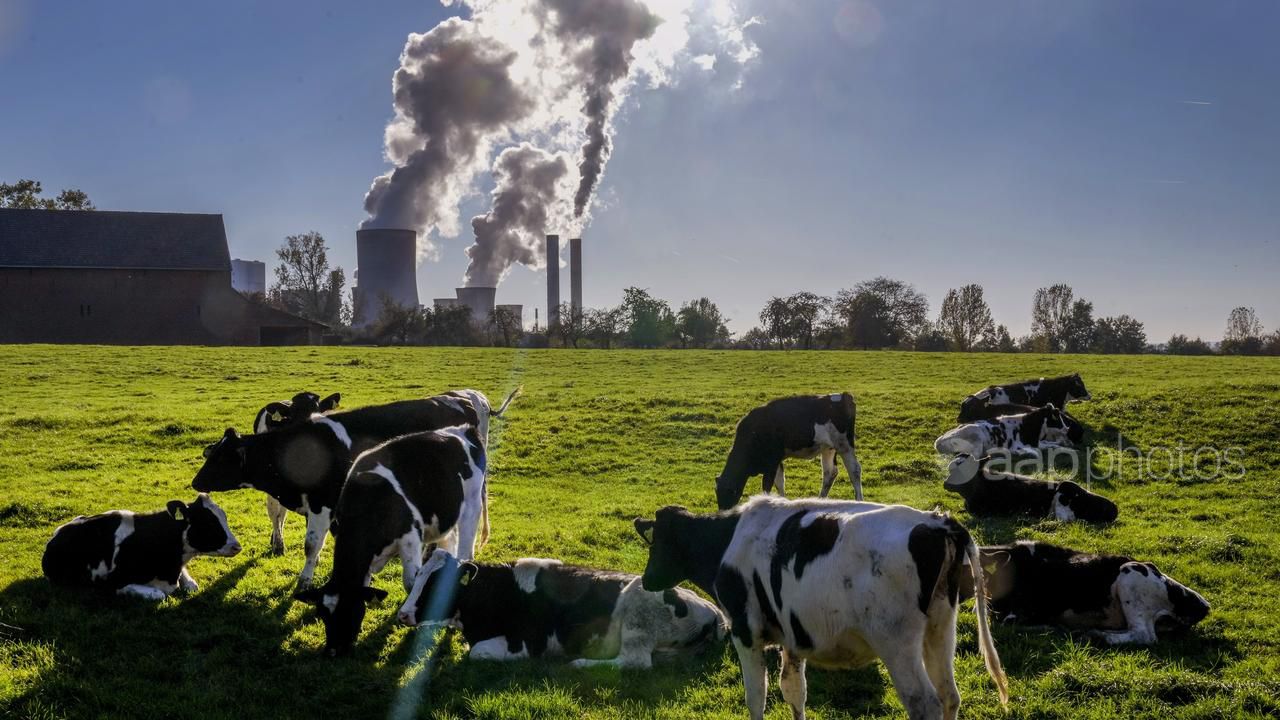
Carbon markets are potentially rewarding those who damaged land in the past. (AP)
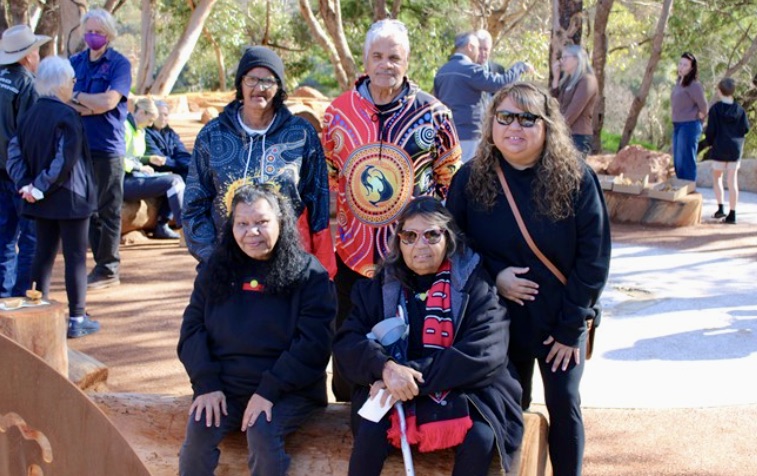
Brian Singleton, a Yirrganydji Aboriginal Bama and Land Manager in Cairns, says his people have been custodians of the area for thousands of years.
Indigenous people should be recognised for the hard work of caring for country, Mr Singleton said.
“The real issue with the system is that proper consultation with traditional owners was not done when setting it up, and so now the work being done on Country can’t be counted.”
Financial support would help the work continue.
RMIT legal scholar Vanessa Johnston said recognising stewardship within additionality was not a call for weaker standards but rather an “overdue correction” to a system developed without Indigenous input.
“It also aligns with a growing body of research that recognises land ownership as involving obligations of conservation and protection, not just entitlements,” she said.
AAP