Senate urged to deliver change for First Nations children
The National Commissioner for Aboriginal and Torres Strait Islander Children and Young People, Sue-Anne Hunter, has urged the Senate to pass legislation establishing a national body to improve accountability for the rights, safety and wellbeing of Aboriginal and Torres Strait Islander children and young people.
Ms Hunter said the introduction of the National Commission for Aboriginal and Torres Strait Islander Children and Young People Bill 2026 into the Senate offered a clear opportunity to advance national accountability and support stronger outcomes for children, families and communities.
“meaningful change for Aboriginal and Torres Strait Islander children”
— Sue-Anne Hunter
Key Points
- Senate presented with chance to deliver change for First Nations children
- National Commission Bill 2026 introduced to strengthen national accountability
- House of Representatives passed the Bill with 95 Members voting support
- Statement urges Senate to pass legislation for vulnerable children
- Commission aims to elevate First Nations voices and drive reform
Senate presented with a pivotal decision
The Commissioner argued that the Bill’s introduction signals an important step toward strengthening how the Federal Government is held to account for the impacts of its decisions on young Aboriginal and Torres Strait Islander people.
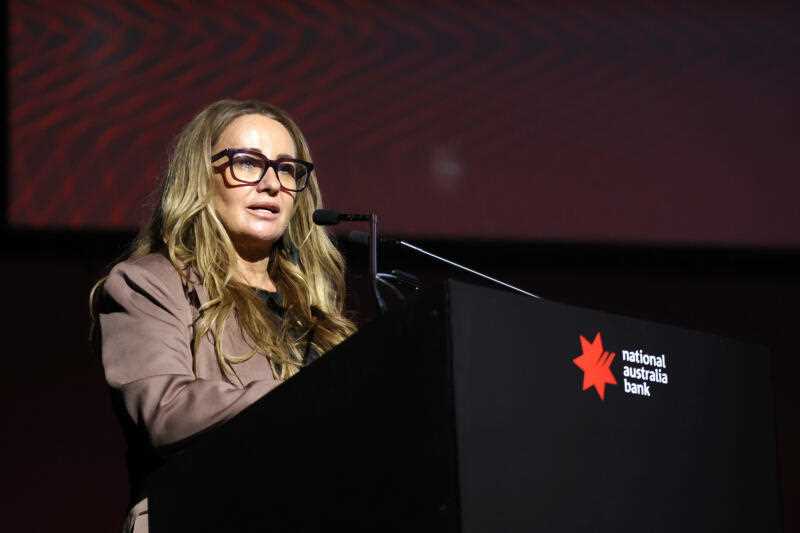
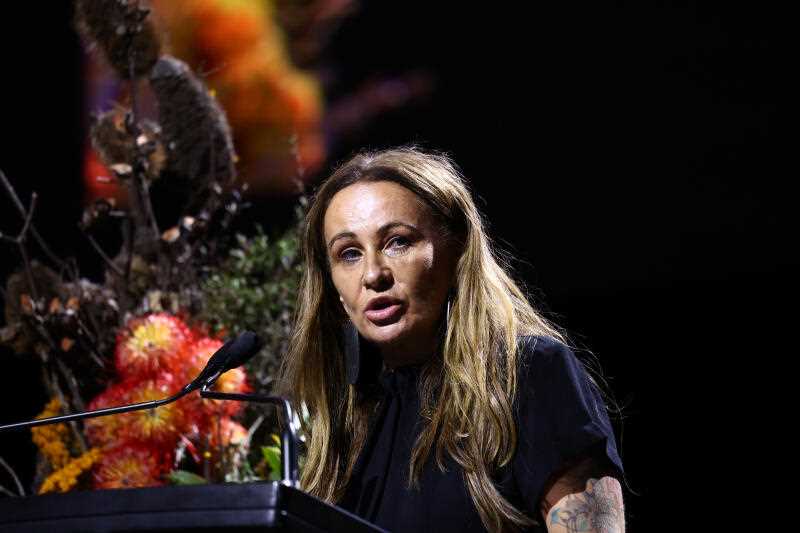
National Commissioner for Aboriginal and Torres Strait Islander Children and Young People, Sue-Anne Hunter.
What the Bill seeks to achieve
The Bill is designed to establish the National Commission for Aboriginal and Torres Strait Islander Children and Young People as an independent body.
Its central purpose is to promote the rights, wellbeing and safety of Aboriginal and Torres Strait Islander children and young people, elevating First Nations voices and advocating for systemic reform grounded in evidence-based policy and practice.
The Commissioner positioned the proposed structure as a national mechanism to ensure accountability aligns with the lived realities and aspirations of children, families and communities.
Momentum from the House of Representatives
Two weeks ago, 95 members of the House of Representatives voted to pass the Bill, supporting the establishment of the National Commission.
The Commissioner described that outcome as recognition of the urgent need for a national body to hold the Federal Government to account for its decisions affecting young Aboriginal and Torres Strait Islander people.
The passage in the House was characterised as a turning point, marking a commitment to address systems that, in the Commissioner’s words, “continue to fail our children.”
“This was a historic decision – one that takes us closer”
— Sue-Anne Hunter
Forward-looking implications
If passed by the Senate, the Bill would enable the establishment of the National Commission, creating a structured avenue for accountability and reform as outlined in the statement.
The appeal is direct: the Senate is urged to follow the House of Representatives by passing legislation that, according to the statement, offers a meaningful and practical pathway to improved outcomes for Aboriginal and Torres Strait Islander children and young people.
The decision is positioned as nationally significant, with immediate and long-term consequences for how government decisions are scrutinised and measured against the interests of First Nations children.