Narrowing the digital gap for First Nations communities
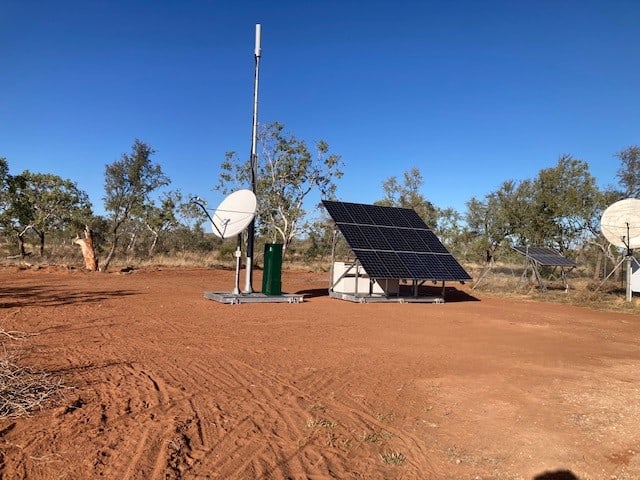
The Federal Government is to continue its work to improve connectivity and narrow the digital divide for First Nations Australians, with free community Wi-Fi connectivity being rolled out in up to 53 remote communities across the country.
The Government’s $20 million First Nations Community Wi-Fi program will support better access to essential services like healthcare, education and training opportunities; promote greater cultural and community connection; and enable more equitable participation for First Nations people in digital life.
It includes more than $7.2 million to fund community Wi-Fi in 10 remote communities in Western Australia:
- Djugerari, Wangkatjungka, Looma, Pandanus Park, Yakanarra, Yungngora, Beagle Bay and Halls Creek in the Kimberley region
- Pia Wadjarri in the Mid-West region
- Warburton in the Ngaanyatjarra Lands
The Western Australian Government will further boost connectivity in nine of these communities by co-investing an additional $9.1 million.
This will go towards the community Wi-Fi and extend connectivity in up to 750 premises through VoIP phones and broadband access. Additionally, the Shire of Halls Creek Council is contributing $25,000 to the Halls Creek community Wi-Fi project.
Community roll out
“We are working hard to boost digital inclusion for First Nations Australians as part of our ongoing work to Close the Gap,” Minister for Communications, Anika Wells said.
“All Australians should be able to stay in touch with their family, access essential services and pursue education and training opportunities and this new program will help achieve that for some of our most remote First Nations communities.”
The Federal Government is providing a further $1.54 million to roll out community Wi-Fi to the Cape Barren Island community and Clarke Island community in Tasmania, and the community of Umoona near Coober Pedy in South Australia.
Minister for Indigenous Australians, Malarndirri McCarthy said access to reliable internet services would make a real difference for remote First Nations communities.
“This $20 million program will go a long way in narrowing the digital divide and supporting fuller participation in digital life,” she said.
More announcements
“I’m proud to work in partnership with the WA Government and local communities to make these Wi-Fi services reliable, sustainable, and fit for purpose.”
Further places in the Northern Territory and Queensland will be announced.
Professor Lyndon Ormond‑Parker, Digital Inclusion and Engagement in Indigenous Communities from RMIT, said free public Wi‑Fi in the 53 communities would help fill a critical gap by providing a more affordable way to get online.
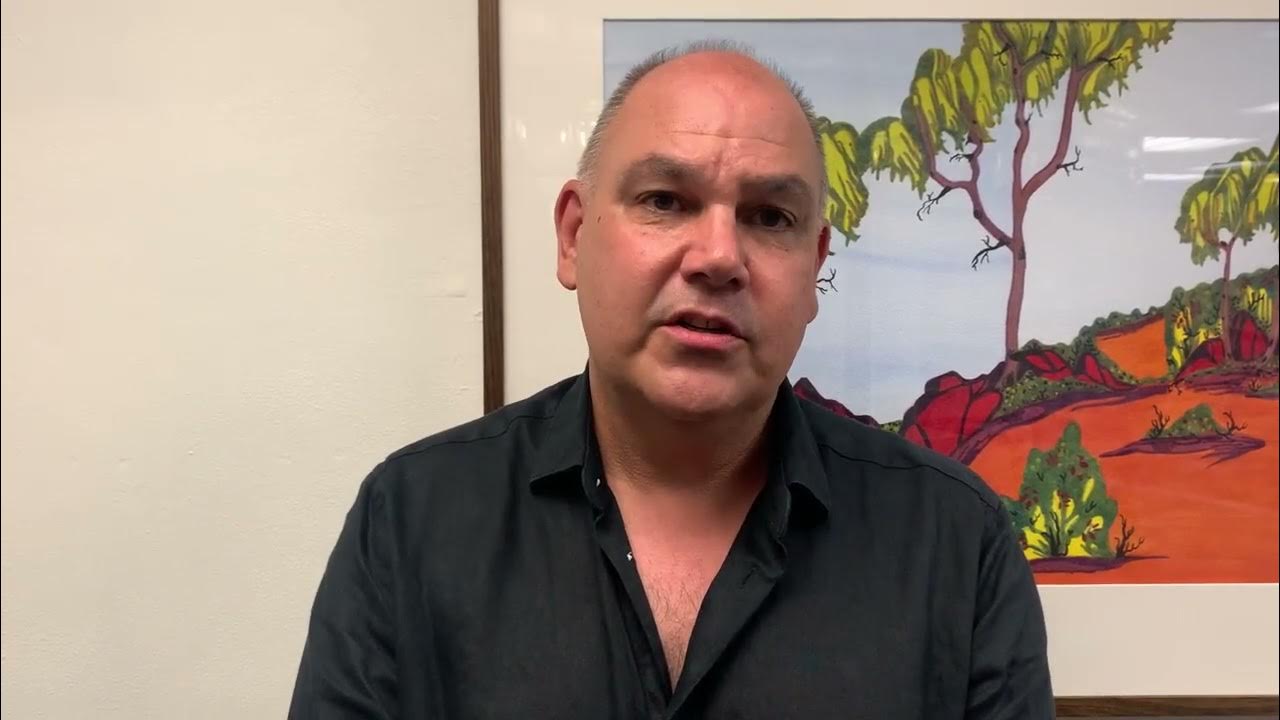
Professor Lyndon Ormond‑Parker is an Alyawarr man from the Barkly Tableland region of the Northern Territory.
Prof. Ormond‑Parker is a First Nations Principal Research Fellow at RMIT and co‑chair of the First Nations Digital Inclusion Advisory Group.
“Our research has found First Nations Australians are more than twice as likely to face digital exclusion as other Australians,” he said.
“Internet access is an essential service, but there are nearly 700 communities and homelands without mobile connectivity.
“Community‑wide Wi‑Fi services play an important role in meeting community needs for access to critical communications and online services.
“Today’s announcement is a positive step towards closing the digital gap.”
The program builds on the success of the existing NBN Community Wi-Fi Program which has already delivered free community Wi-Fi to 23 remote communities in Western Australia, South Australia, Queensland and the Northern Territory.
These initiatives are part of the Government’s $68 million package to support First Nations digital inclusion and advance our work towards Target 17 of the National Agreement on Closing the Gap.