Deadly Ed takes culture into the classroom
Aboriginal-led education provider Deadly Ed has wrapped up its biggest year on record, taking Culture directly into classrooms across Australia and setting a new standard for how meaningful Aboriginal education should be delivered – by mob, for the next generation.
Deadly Ed is one of the fastest-growing Aboriginal-owned education providers on the East Coast, founded by Aboriginal educators Kane Wright (Dharug) and Josh Brown (Worimi).
Across the 2024–25 financial year, Deadly Ed reached more than 12,000 children, marking a 25 per cent increase on the previous year.
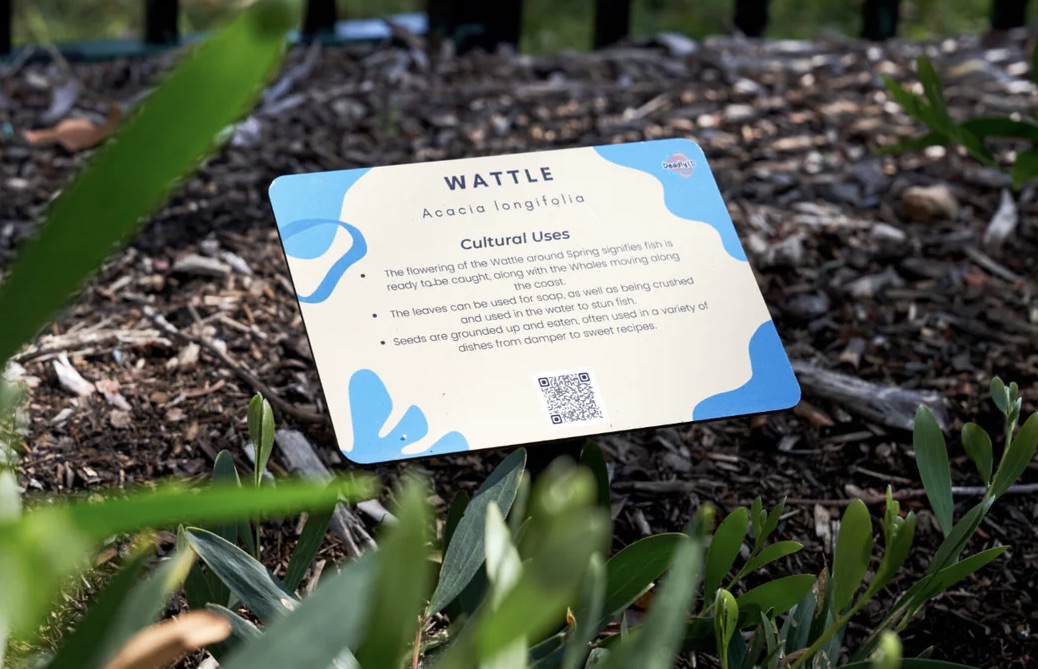
Bush tucker gardens are another initiative from Deadly Ed.
From early learning centres introducing young children to Culture for the first time, to older students engaging in truth-telling and critical conversations long missing from mainstream education, schools are increasingly seeking Aboriginal-led learning that is grounded in Country and lived experience.
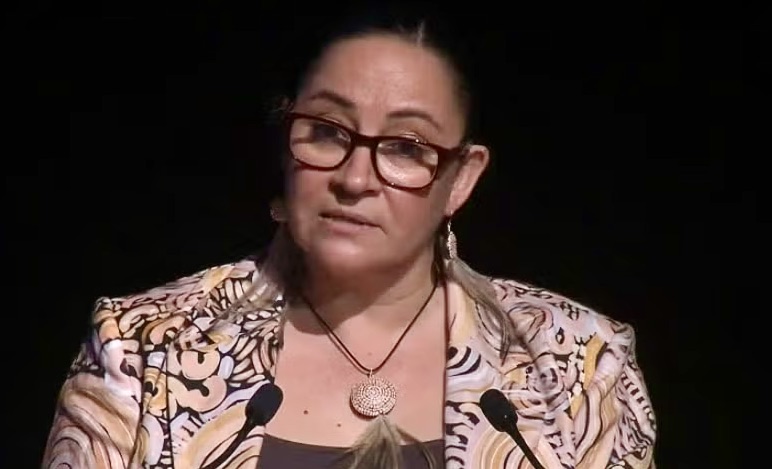
“For too long, Aboriginal education has been something done to our communities instead of with them,” Kane Wright, proud Dharug man and Co-Founder of Deadly Ed & Board Director of the Deadly Ed Foundation,” said.
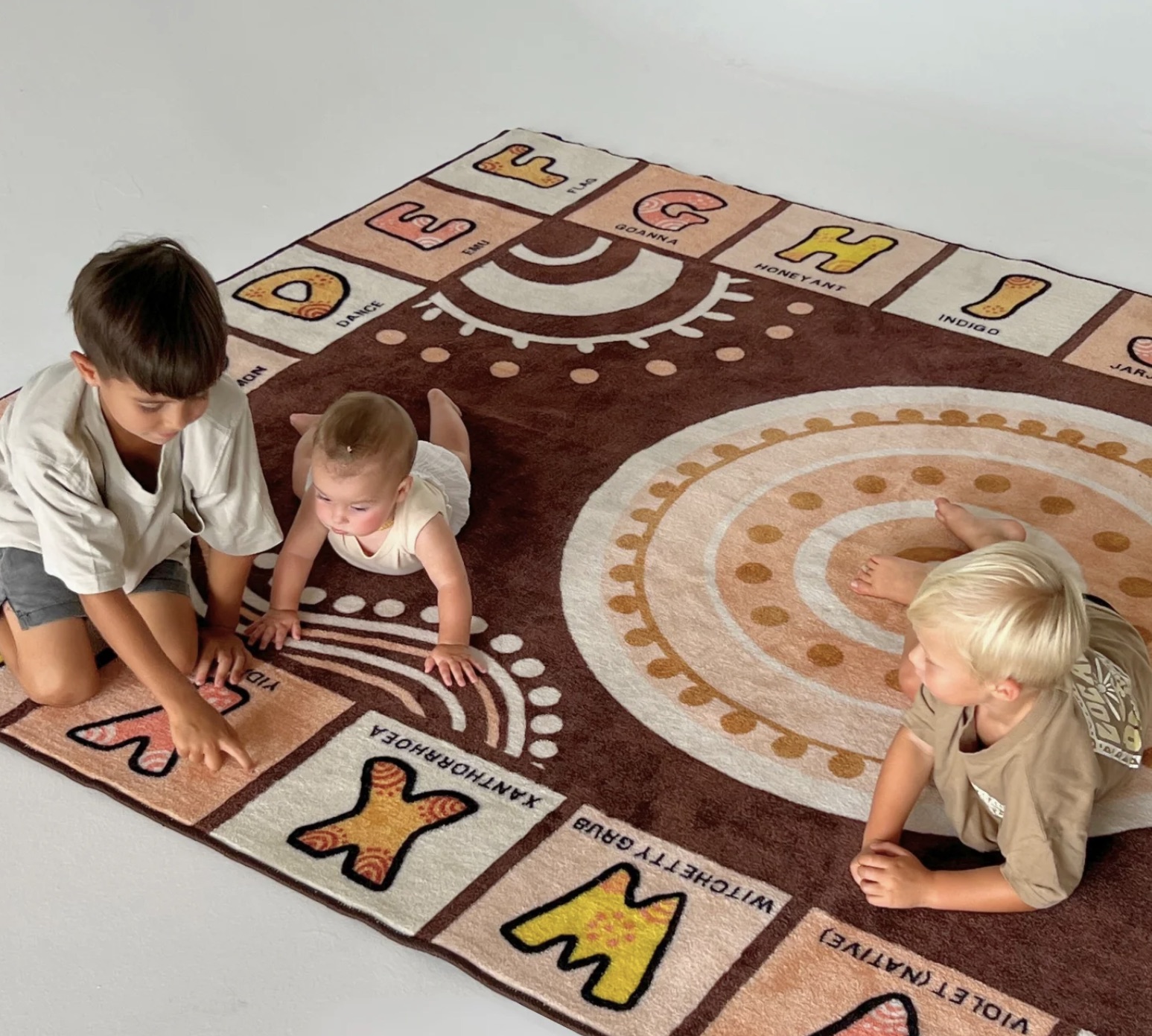
Deadly Ed has provided cultural initiatives including Aboriginal-designed teacher resources.
“At Deadly Ed, we’re flipping that – putting mob, Country and lived experience at the centre, and creating real pathways for our kids to succeed academically while staying strong in who they are.
“This work isn’t about symbolism; it’s about long-term outcomes for our people and future generations.”
Working across early learning, primary, secondary and corporate settings, Deadly Ed has seen primary schools step up in a major way, embedding Aboriginal perspectives early rather than treating Culture as a one-off event.
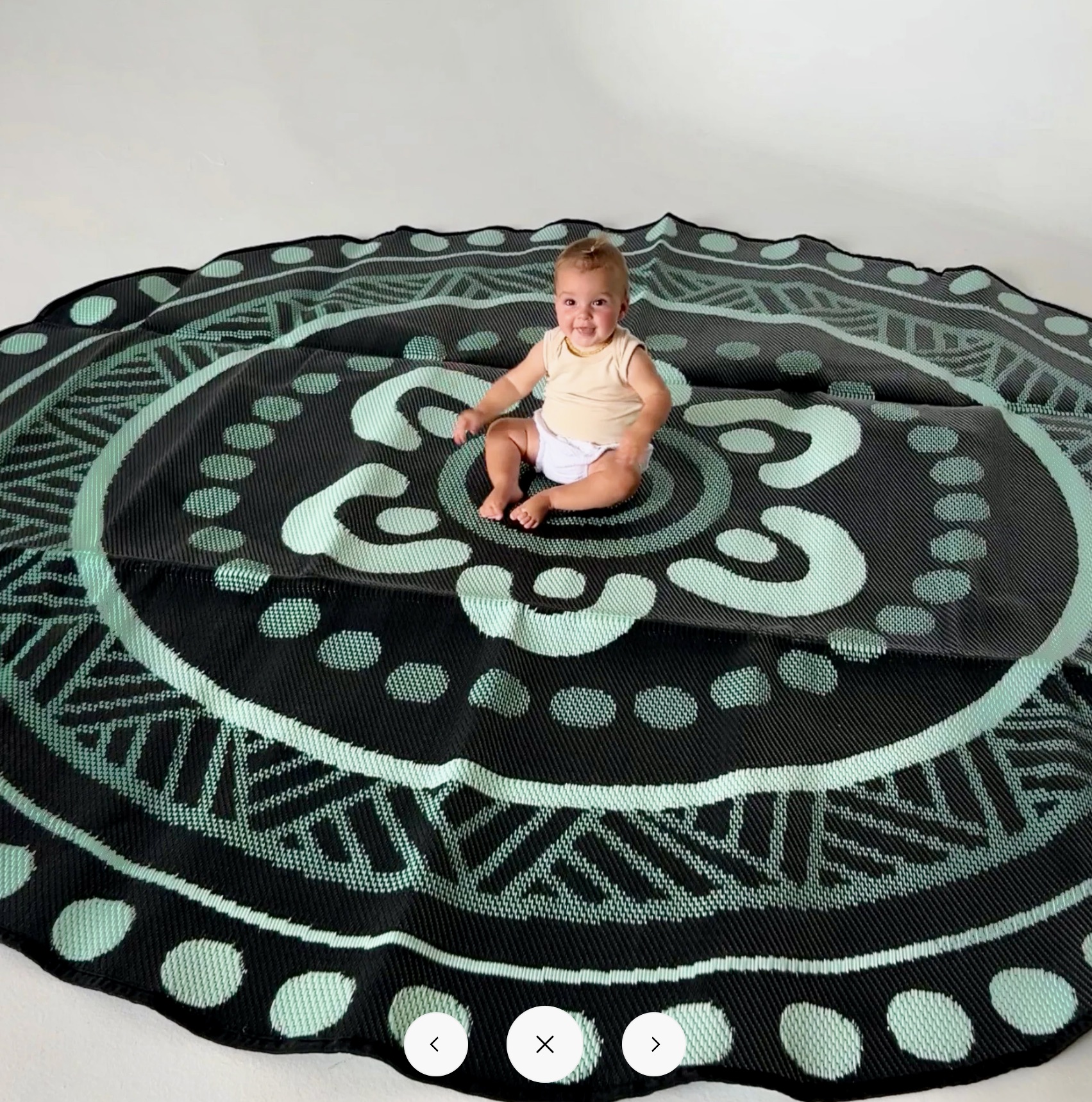
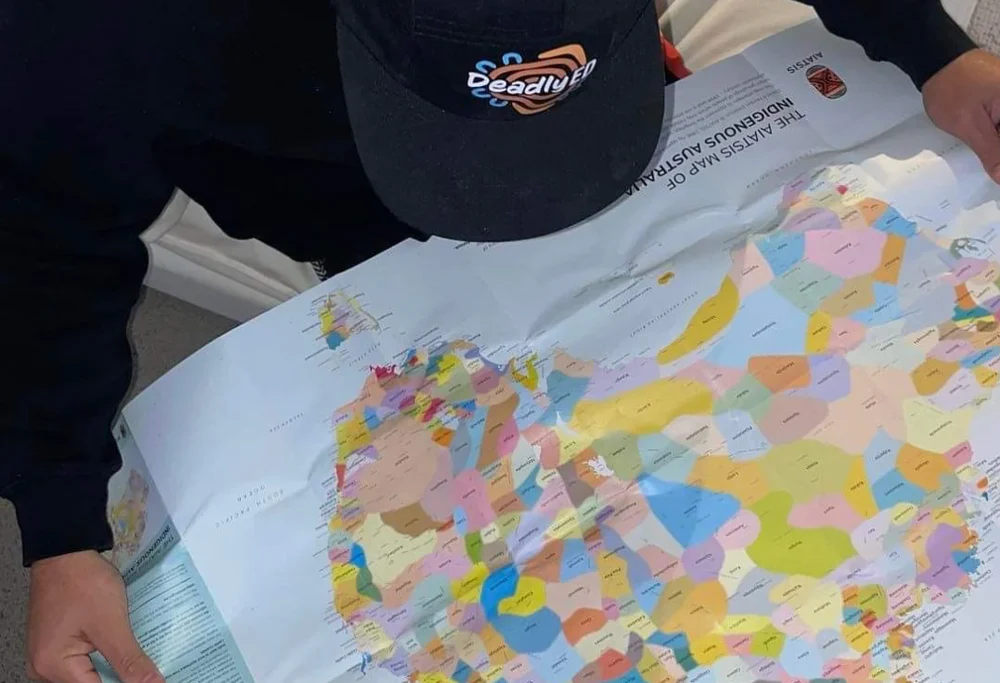
A Deadly Ed yarning mat.
Strengthening Teachers and School Communities
Deadly Ed’s impact extends beyond students. In 2025, the organisation supported:
• More than 1,200 teachers through Aboriginal-led professional development
• Cultural immersion programs across 65 schools in NSW and Queensland, supporting educators to understand Country, community and how to teach Culture respectfully, not as a token inclusion
Alongside classroom delivery, Deadly Ed has provided practical, culturally grounded initiatives including Aboriginal-designed teacher resources, custom cultural murals, art workshops, bush tucker gardens and outdoor yarning circles – creating spaces where Culture is lived, not just taught.
Beyond the Classroom
Deadly Ed’s work also extends into the corporate sector, delivering cultural capability programs for organisations including Telstra, LinkedIn, Macquarie Group, NSW Department of Education, Funding Institute Australia, Evolve Housing and the St George Illawarra Dragons.
This growing demand reflects a broader shift: cultural capability is no longer optional – it’s a shared responsibility.
Deadly Ed has seen primary schools step up in a major way, embedding Aboriginal perspectives early.
About the Deadly Ed Foundation
Complementing its education delivery, the Deadly Ed Foundation exists to remove financial barriers to culturally safe Aboriginal education, particularly for low socio-economic, rural and remote communities.
Looking ahead to 2026, the Foundation is seeking to raise increased funding through donors, philanthropy and strategic partnerships to expand its free Aboriginal education programs, ensuring access to Culture is not limited by postcode or school budgets.
One of the Foundation’s key initiatives is the Improve Country program, which supports schools and communities to create free native plant gardens on Country. The program connects young people to land, culture and sustainability while revitalising local environments and embedding Aboriginal ecological knowledge in everyday learning.