Tough on crime policies failing First Nations people
Australia’s over reliance on incarceration is costly, ineffective, and is disproportionately impacting First Nations Australians, a report from the Productivity Commission has said.
As part of its annual Report on Government Services the report shows that evidence-based alternatives continue to be under-funded.
“This report reveals the shocking impact of failed tough on crime policies on First Nations Australians, with the number of First Nations people in prison increasing by 42 per cent since 2017-18 while the number of non-First Nations people actually declined by over five per cent. This is a cause for national shame,” Jesuit Social Services CEO Julie Edwards, said.

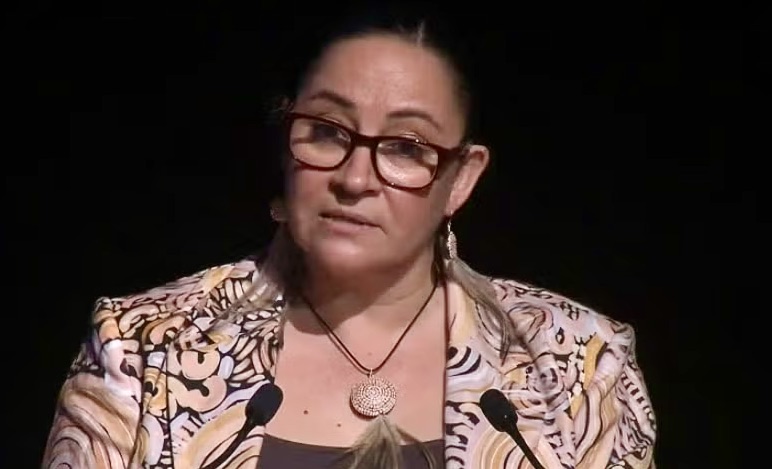
Jesuit Social Services CEO Julie Edwards.
“Rapidly expanding and overcrowded prisons are less safe and do not effectively support rehabilitation and community safety,” Ms Edwards said.
Key facts
- First Nations imprisonment increased 42 per cent since 2017-18 while non-First Nations decreased five per cent, highlighting disproportionate impact
- Deaths from unnatural causes in prison rose from 21 in 2015-16 to 26, with First Nations deaths increasing 66 per cent
- Prisoners spend only 8.9 hours outside cells daily, with educational course completion dropping from 34 per cent to under 25 per cent since 2015-16
- National prison spending increased from $3.6 billion to $5.4 billion since 2015-16, with Victoria’s youth detention costs almost tripling to $323 million
- Report calls for greater focus on early intervention and diversion initiatives, particularly for First Nations people and youth offenders

He pointed to the alarming fact that 26 Australians died of unnatural causes in prison in the latest figures, compared with 21 in 2015-16. The number of First Nations people who died in prison last year has increased by 66 per cent since 2015-16.
The report also showed that prisoners are spending more time in their cells and less time engaged in positive activities such as education with prisoners only spending 8.9 hours out of their cells on average in 2024-25 and less than a quarter completing educational courses – down from 34 per cent in 2015-16.
“This report shows us that as a nation our spending on detaining people is increasing – $5.4 billion nationwide just on prisons compared to $3.6 billion in 2015-16,” Ms Edwards said.

States and Territories need to invest in early intervention, Ms Edwards says.
“In Victoria, expenditure on the detention of young people has almost tripled in the past decade – from $115 million in 2015-16 to $323 million in 2024-25. The daily cost of incarcerating a young person in Victoria is $7,304 ($2.6 million per year).”
Ms Edwards said that the report makes it clear that Australia is on the wrong track.
“The Federal Government cannot stand by and watch this situation worsen – our recent submission to the Senate Inquiry into Youth Justice called for the Commonwealth to show leadership and pressure the States to focus on early intervention, compliance with basic human rights standards, and meeting Closing the Gap targets,” she said.
“States and Territories need to invest in early intervention and diversion initiatives that stop crime from happening in the first place, especially for children and cohorts who are overrepresented in the justice system such as First Nations people.”