Carbon credits seeding next chapter of Tiwi forestry
By POPPY JOHNSTON
Tiwi Islanders are confident they’ve landed on the right forestry formula, one that’s community-led and financially and environmentally sustainable.
Plantations on the islands 80 kilometres north of Darwin have not always worked in the interests of the Tiwi people in the decades it has been running, nor the natural environment.
Tiwi Plantations Corporation chair Kim Puruntatameri is confident the latest forestry endeavour ticks all boxes – it will be financially and environmentally sustainable, and keep more of the economic benefit in local hands.
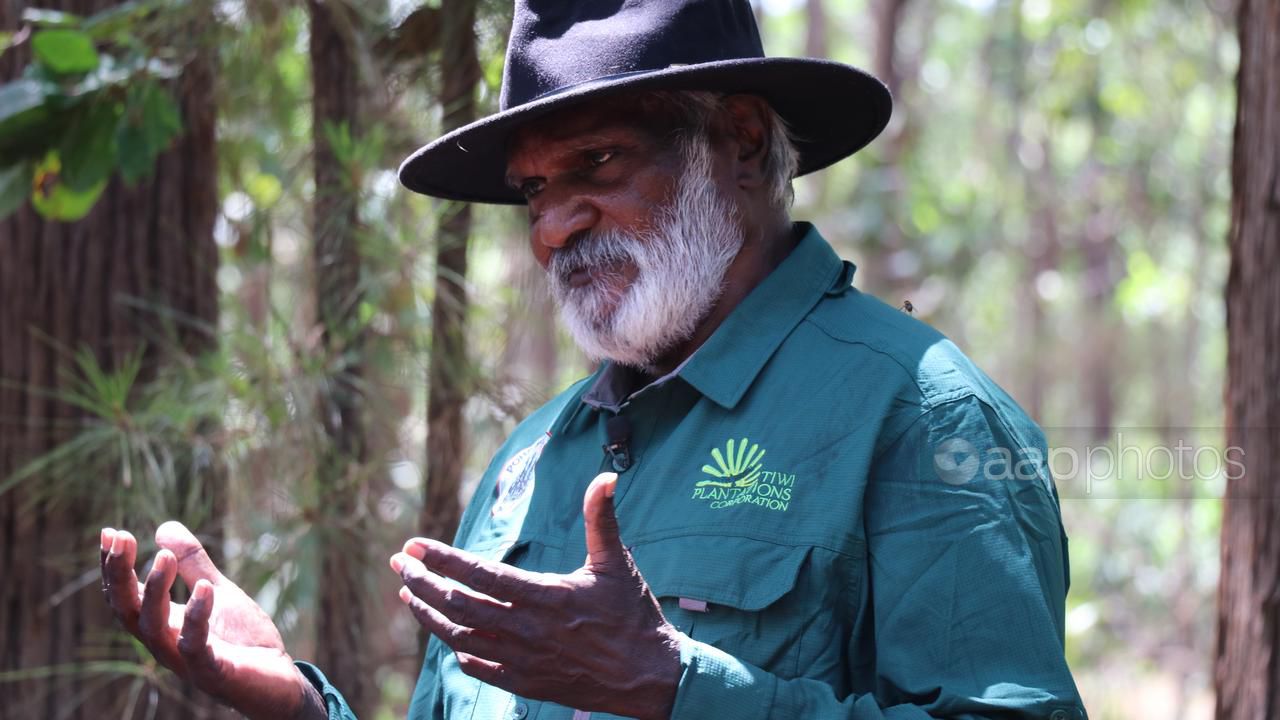
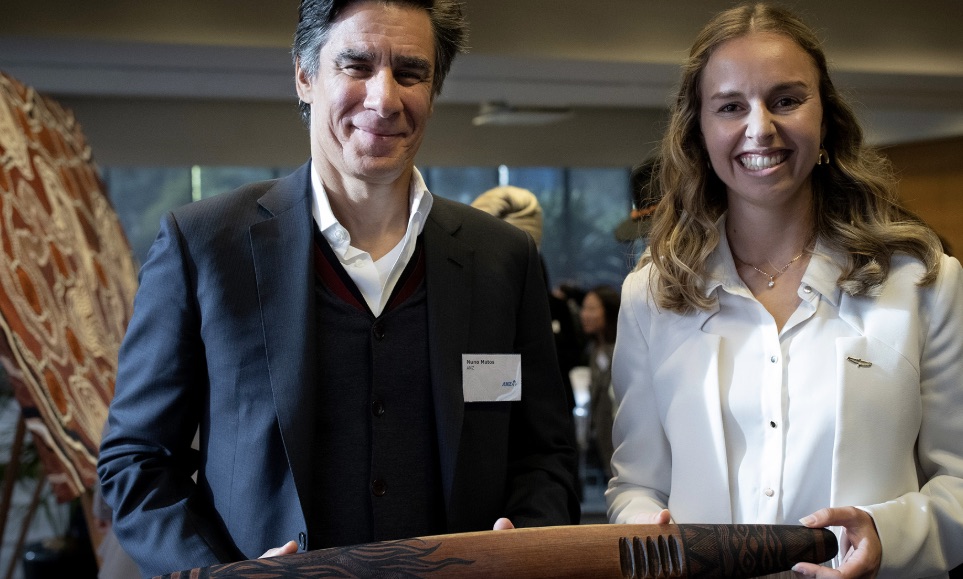
Tiwi Plantations is aimed at protecting the land for future generations, Kim Puruntatameri says.
Under the project owned by the organisation – which is governed by all eight clans – 30,000 hectares of a native eucalypt species will be planted on Melville Island that will eventually be harvested for construction timber and other wood products.
The project will be delivered by plantation investment manager Midway and backed by a $81 million total investment from the federal green bank, the Clean Energy Finance Corporation, and private investment firm River Capital.
Preserving the land
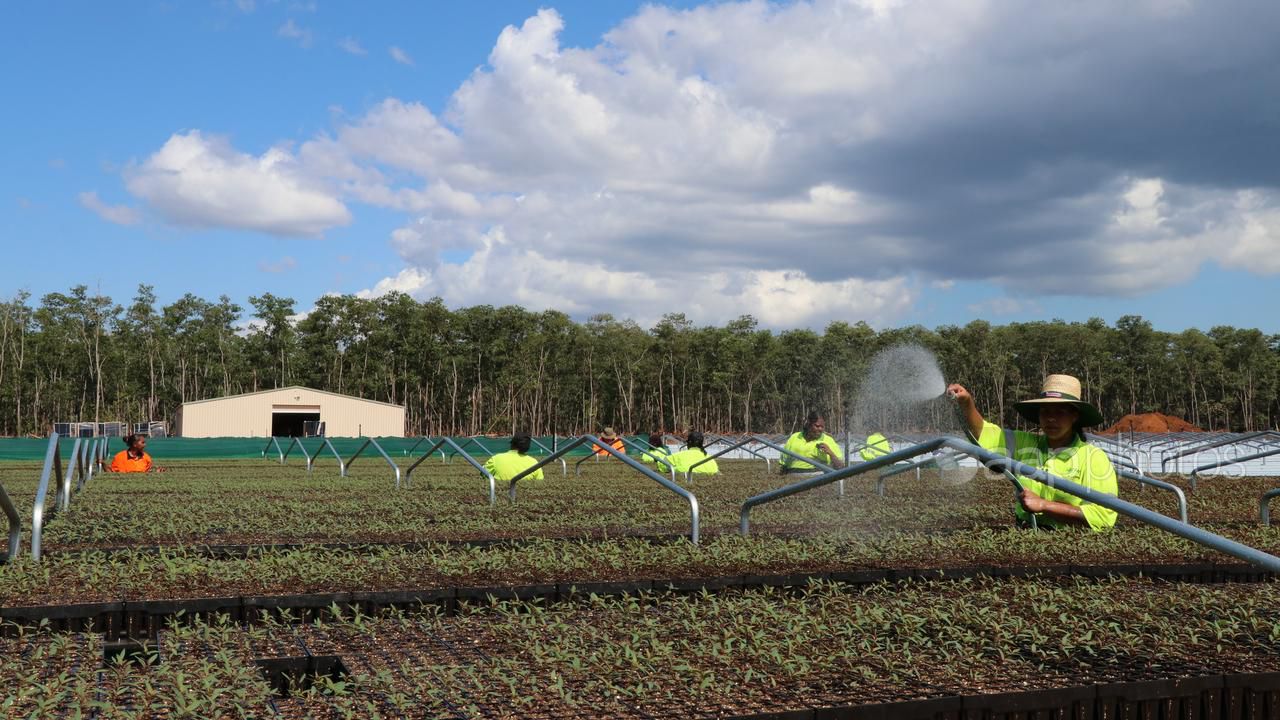
Mr Puruntatameri said local employment opportunities were all-important, with Tiwi men and women already working in the nursery and planting due to begin in coming months.
“We get kids from the high school going to visit,” he said.
“We talk to them about this, ‘if you leave school, and this is where you want to work, then there are a lot of things they can do’.”
“We’ve got to look after the land very well for the next generation coming.”
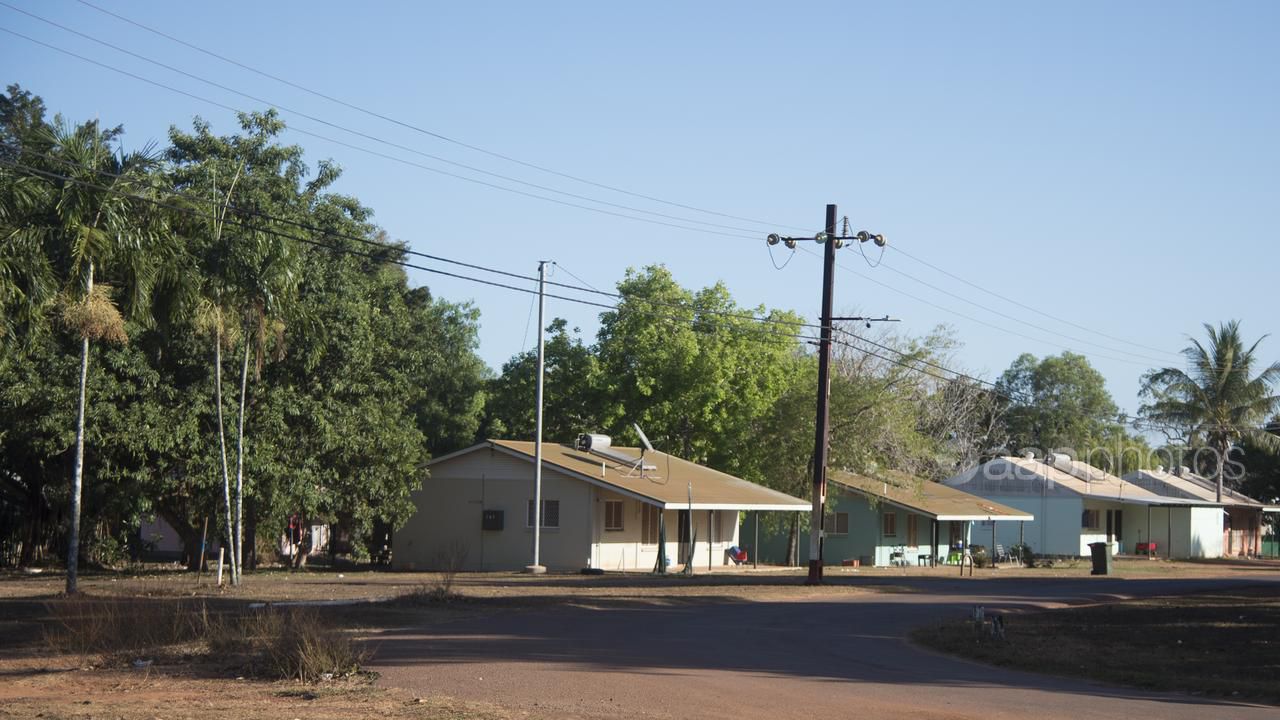
The project on Melville Island will be governed by the eight Tiwi Islander clans. (Aaron Bunch/AAP)
Trees will be planted on existing forestry land that previously housed an acacia species that was able to propagate quickly and was found to have escaped the plantation into native forests.
Scientists have been involved in testing a more suitable tree and landed on Eucalyptus pellita, understood to be less “weedy” than the acacia variety, according to Tiwi Land Council chief executive officer Brendan Ferguson.
All-important revenue
“The Tiwi people were much happier to see that there was going to be less of an environmental impact on their country,” he said.
With robust bark and deep roots, the tree native to northeastern Queensland is more resilient to fires and cyclones, and is suited to high-value timber products.
Clean Energy Finance Corporation head of natural capital Heechung Sung said the long-rotation plantation would generate carbon credits, a source of all-important revenue to cover infrastructure and planting costs while the trees grow.
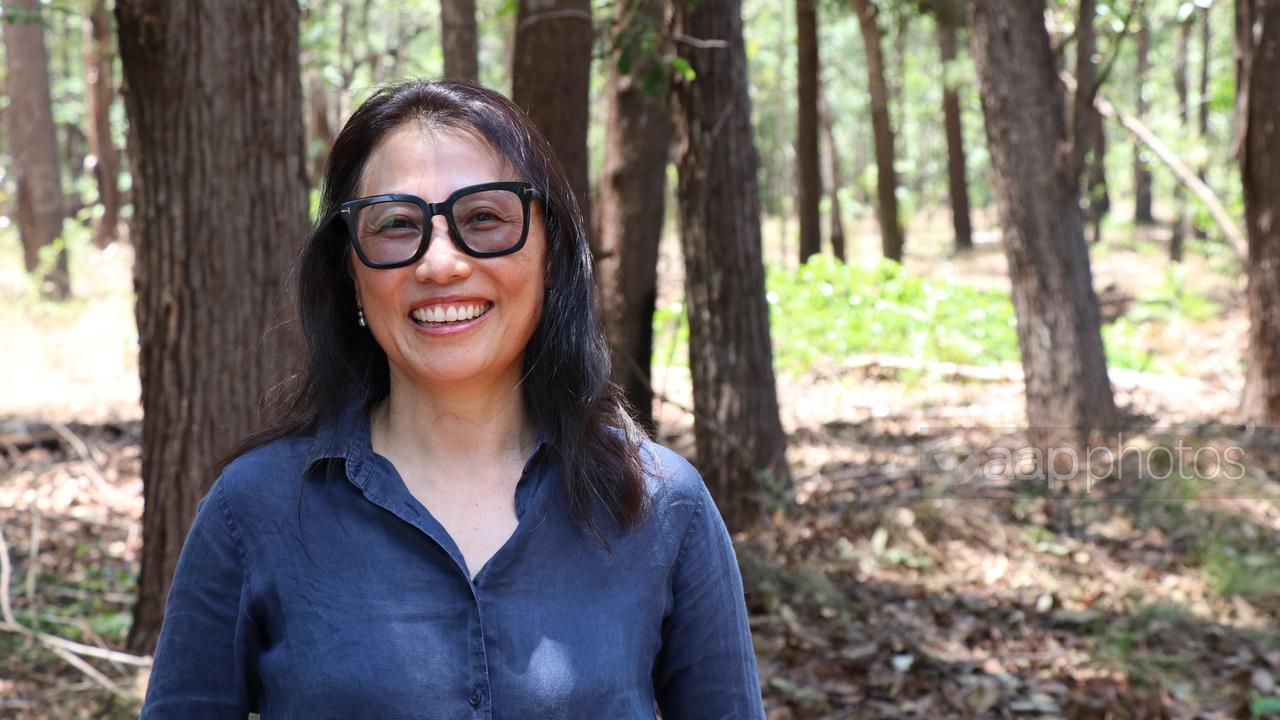
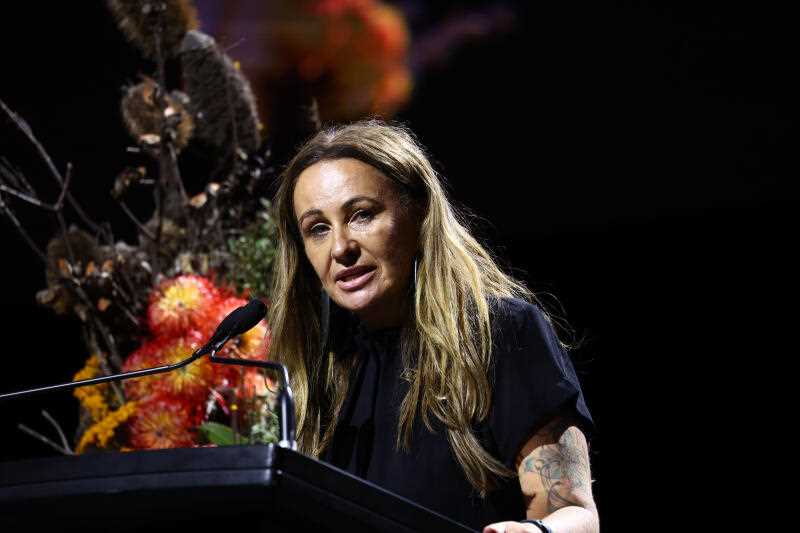
The project’s financial structure supports Tiwi self-determination, Heechung Sung says.
Carbon credits are granted to projects that absorb carbon, which can then be purchased by companies and organisations seeking to cancel out their own emissions.
While a source of funding for reforestation and other carbon-sequestering projects, the integrity and effectiveness of carbon credits has come under question.
Financial structure
Ms Sung said the credits generated by the Tiwi project would be high integrity, with the plantation methodology supporting genuine emissions reductions by underpinning the planting of new trees that draw down atmospheric carbon dioxide during photosynthesis.
“Brand new plantation forestry projects are very hard to get up and running without the carbon markets responding,” she said.
Ms Sung said the financial structure of the project would support the self-determination of the Tiwi people.
“It was really important that they owned the project, both the revenues but also the risk, because it’s on their country.”
AAP