Indigenous deaths in custody rally ‘will go ahead’ says organiser
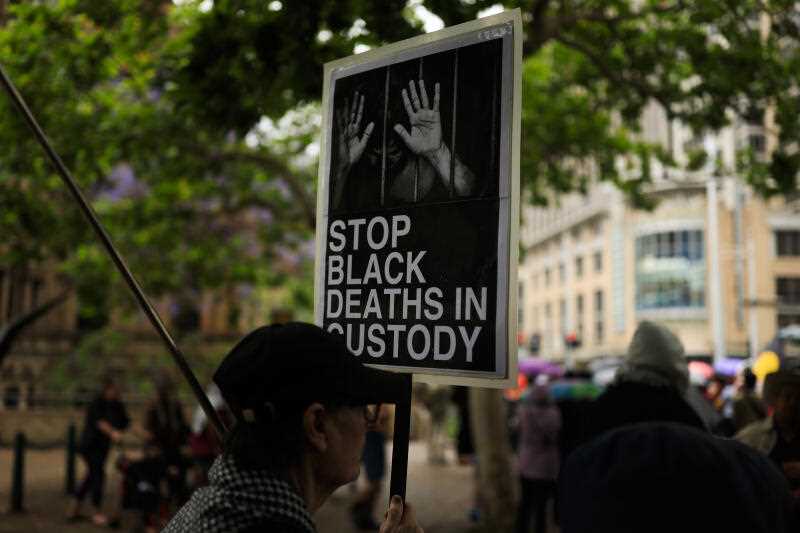
New protest rules in NSW has seen a rally against Indigenous deaths in custody on January 18 banned by Police Commissioner Mal Lanyon.
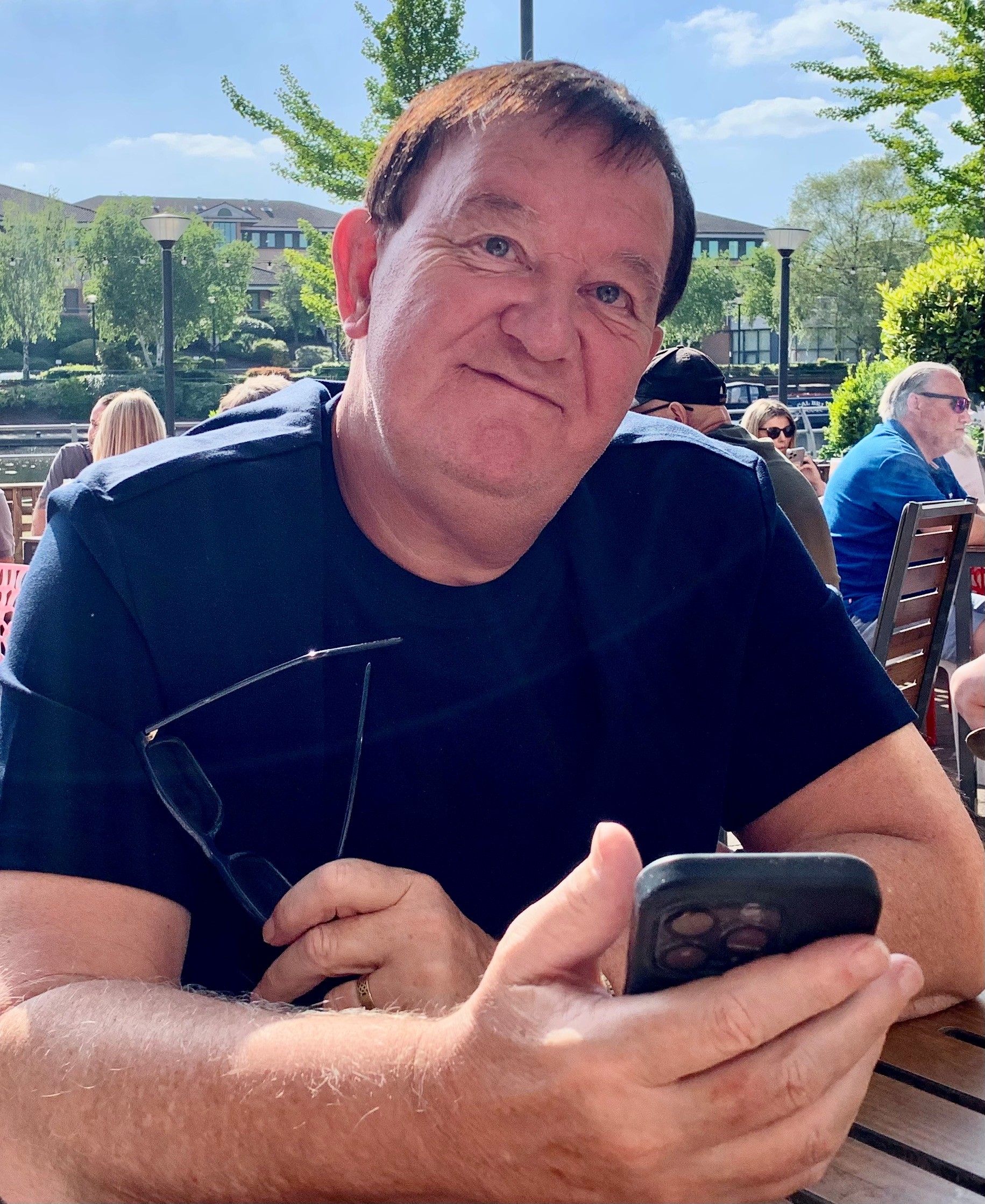
But the organiser of the protest, Paul Silva, says he will defy the ruling and go ahead with his march, 10 years after the death of his uncle David Dungay Jr.
The restrictions, which have been criticised by the NSW Council for Civil Liberties, have been extended by two weeks in the wake of the terror attack on Bondi Beach last month.
“I think it’s quite disgusting that New South Wales Police have openly said that this march falls under the new laws and there will be enforcement of the new laws on the day,” Mr Silva told the ABC.
Key Conflict Details
- The Legislation: NSW Police Commissioner Mal Lanyon extended controversial protest restrictions for an additional 14 days, citing community safety concerns. These laws allow police to declare public areas “restricted” and render assemblies unauthorised.
- Organiser’s Position: Silva described the laws as “inhumane” and “a form of oppression”. He argued that it is inappropriate for the police to restrict a protest that is directly critical of their own force.
- Planned Action: Despite the extension meaning the march would likely be unlawful, Silva stated: “We do intend to march through the streets of Sydney… because we believe these laws are inhumane”.
- Government Support: Health Minister Ryan Park supported the restrictions, stating they are necessary to keep the community safe.
Police were given the authority to ban public assemblies and protests for up to three months and they can add two week increments on to that at their discretion.
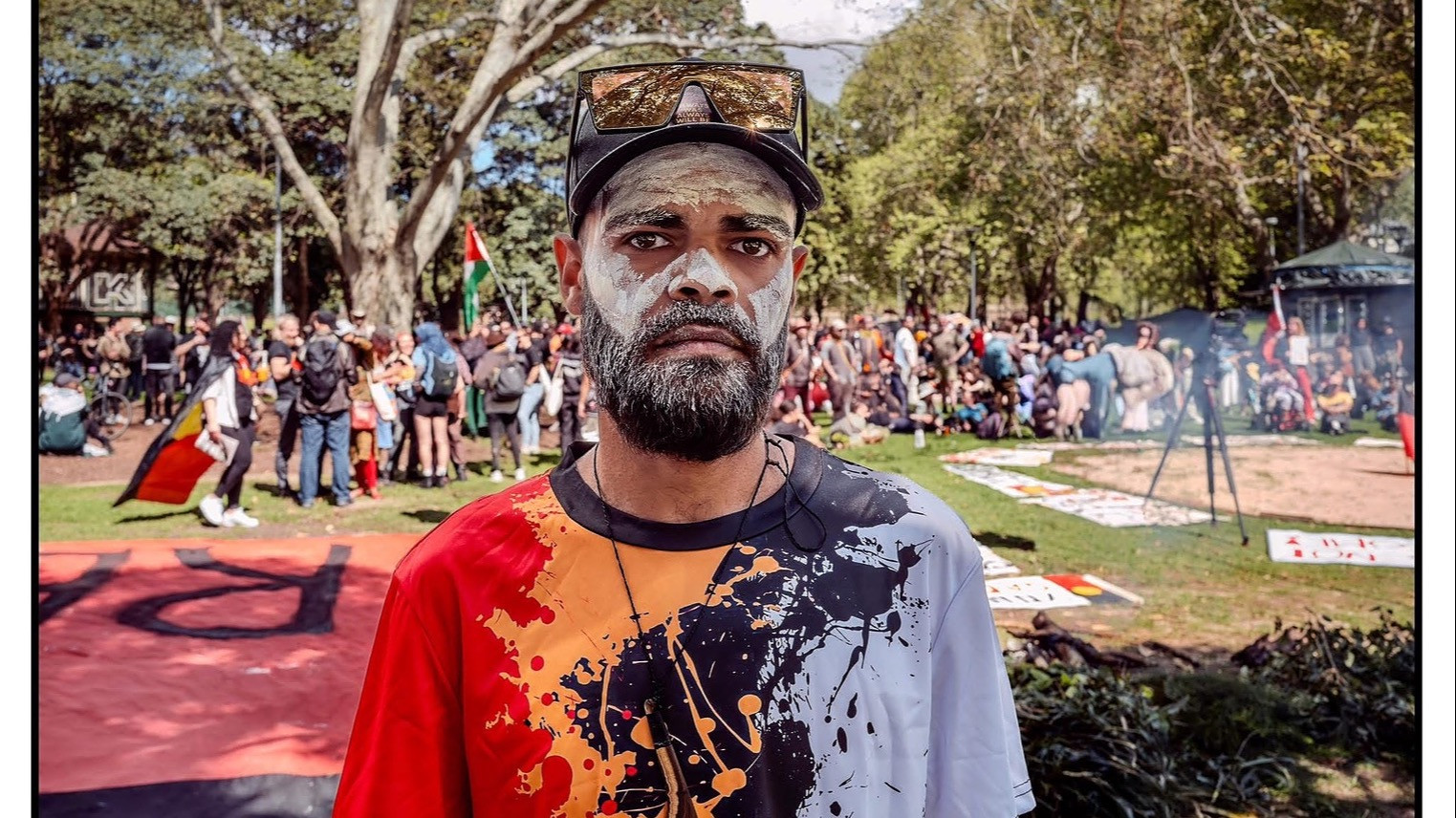
Paul Silva says he will defy the ruling and go ahead with the protest.
Commissioner Mal Lanyon has said he is prepared to work with organisers if they were willing to agree to the new rules, but Mr Silva has indicated the march will go ahead.
“Allowing people to statically congregate in a park but not allowing them to take to the streets, I believe, is a form of oppression in relation to what we are trying to expose … in relation to scrutinising the government and authorities,” he said.
New South Wales Council of Civil Liberties President Timothy Roberts has criticised the move to ban marches.
“The prohibition declaration has a chilling effect on the community, who should not have to fear police intervention when they wish to assemble,” Mr Roberts told the ABC.
The restriction extension has also raised concerns among Indigenous groups regarding the upcoming January 26 (Invasion Day) rallies.