Sovereignty ‘never ceded’ says Indigenous community
An Indigenous community in far North Queensland has called on the Federal government to settle the question of sovereignty and Crown land.
The Yidindji ‘Government’ released a press statement this week underscoring its position that Australia must move beyond symbolic recognition and meaningfully engage with the unresolved question of Indigenous sovereignty and Crown land rights.
They emphasised that no treaty was ever signed, sovereignty was never ceded, and Crown land was never lawfully acquired by British colonisers or the subsequent Australian state.
“This has profound legal, constitutional, and moral implications that cannot be deferred,” Gaan-Yarra, speaking as the Yidindji Attorney General, said.
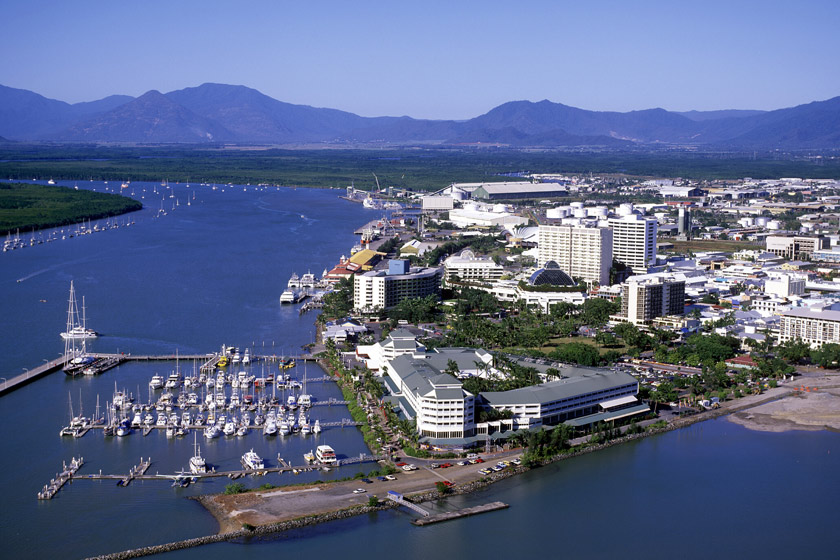
The Yidinji is comprised of eight clans, whose traditional lands included Cairns, south to the Russell River and west to parts of the Tablelands.
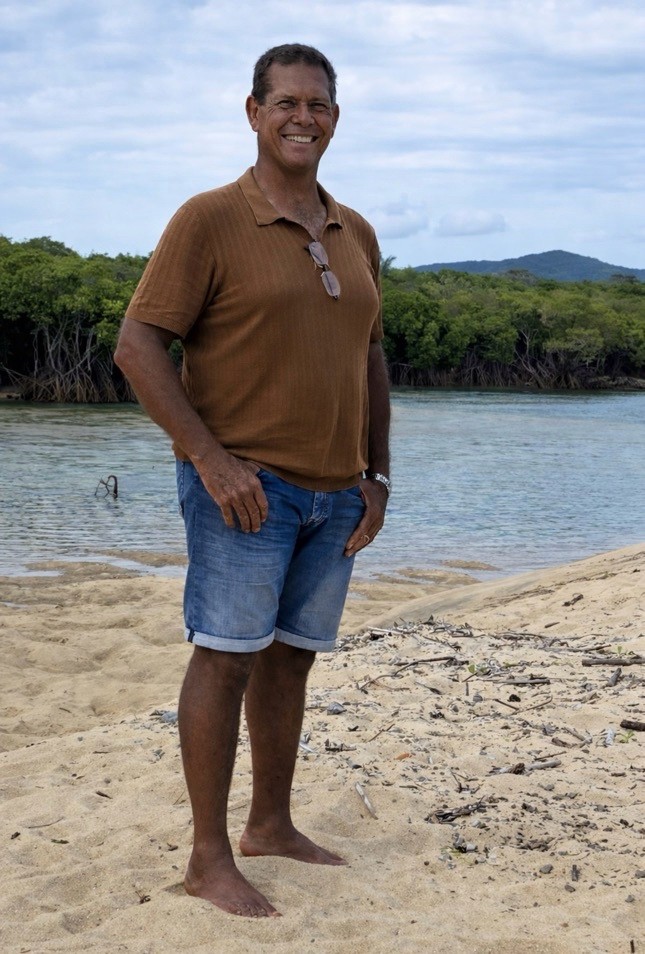
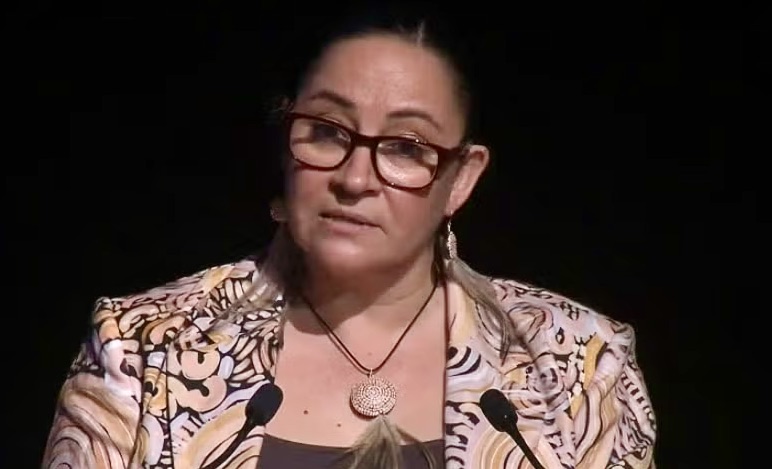
Yidindji Attorney General Gaan-Yarra wants the Federal government to engage in meaningful negotitions.
The Yidindji believe Native title and prescribed body corporate structures, “while important within Australian law”, are insufficient and fail to address the fundamental sovereignty issue.
“The Yidindji Government urges Australia to engage in negotiation between equals, grounded in international law and practical pathways toward coexistence without dispossession,” Gaan-Yarra said.
“Such negotiations would encompass lawful settlement of governance, economic development, and mutual prosperity.”
Key Yidindji Messages
- The Yidindji claim sovereignty was never ceded.
- Crown land belongs to first-in-time owners. The legal foundation for Crown ownership of land is invalid without voluntary cession or conquest.
- Native title is insufficient. Issued by the same Crown whose claim rests on outdated legal fictions, native title does not resolve the deeper question of sovereignty.
- Coexistence is possible. The Yidindji Government seeks practical arrangements that preserve private property, enable infrastructure development, and strengthen regional resilience.
- What is the Yidindji actually asking for?
The Yidindji community says it is not is not seeking symbolism, compensation, or private property.
“We are asking for recognition of the legal reality that our sovereignty was never lawfully extinguished and for a proper settlement—through treaty—between sovereigns, in the correct capacity,” Gaan-Yarra said.
“We do not seek to dispossess families or businesses. Existing private titles are respected and can be affirmed. Our position relates to Crown land that was never lawfully acquired by the Crown after terra nullus was declared invalid.”
Mr Gaan-Yarra said Native title was issued by the Crown and always reserves ultimate rights to the Crown.
“That structure assumes Crown ownership, which is precisely what is in question,” he said in a statement.
“Mabo addressed land ownership but deliberately avoided sovereignty.”
“That left a legal and political gap. Governments since have tried to manage that gap through policy and symbolism rather than resolve it through lawful settlement.”
Coexistence must be ‘lawful and negotiated’
When asked if they were declaring independence from Australia, Mr Gaan-Yarra said they were not rejecting coexistence with Australia.
“We are saying coexistence must be lawful and negotiated. A treaty is not about breaking Australia apart—it is about fixing what was never lawfully settled.
“We’re not asking Australia to give something up—we’re offering a way to finally settle what was never lawfully settled.”
“Private homes aren’t at risk—uncertainty is.”
“Recognition doesn’t resolve sovereignty; a treaty does.”
Representatives of the community have made submissions to the Federal government but say they have yet to receive a response.