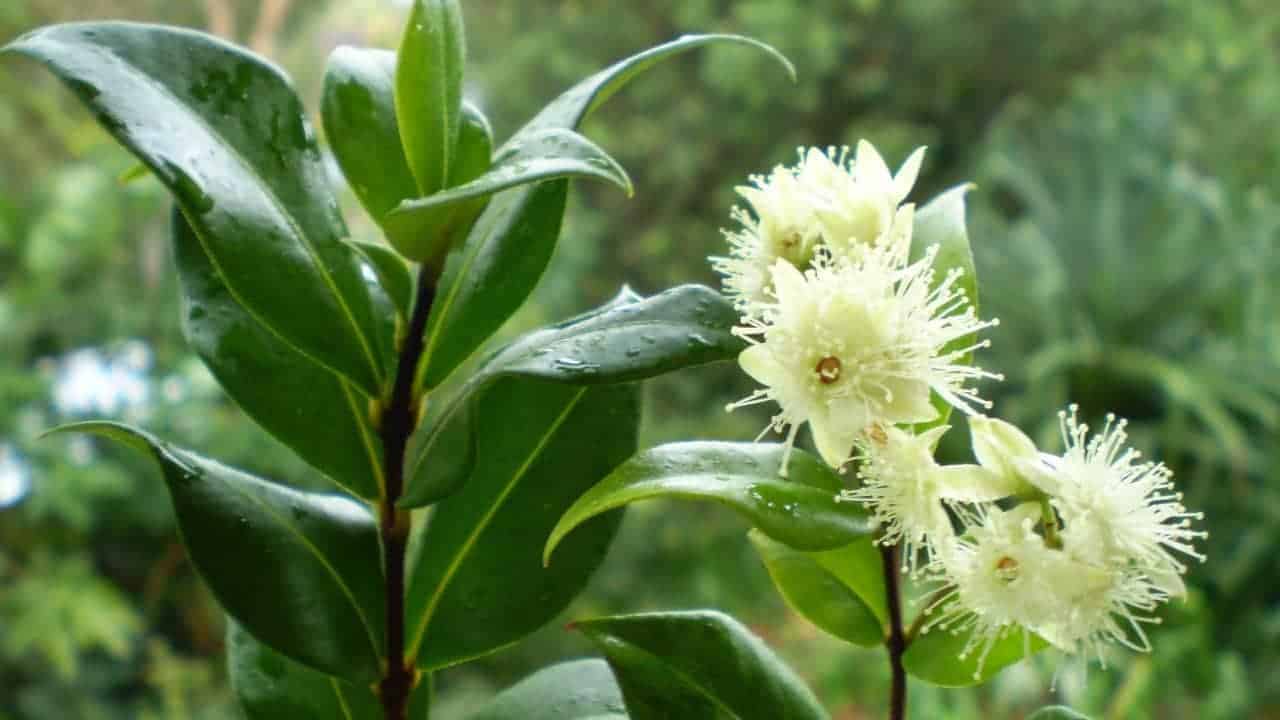
Spice up the season with some great Indigenous flavours
A University of Queensland-based study co-designed with Traditional Owners has revealed five culturally significant native spice plants had potential to boost health, enhance flavour and support food innovation.
Adjunct Associate Professor Dale Chapman, an Indigenous bush food entrepreneur and project leader, said Australia was home to many edible native plants, many of which were still largely underutilised.
Dr Joseph Nastasi from UQ’s School of Agriculture and Food Sustainability said they hoped to spark a new wave of value-added products and boosted opportunities for Indigenous-led bushfood enterprises.
“The goal was to explore lesser-known Australian native ingredients with a history of consumption and use,” Dr Nastasi said.
“They might choose these as local alternatives with similar properties to common spices that originate from other countries, and they have a great story behind them.
“If usage grows, so does the industry.”
Five spices under the microscope
Cinnamon myrtle, curry myrtle, native ginger, native turmeric and mountain pepper berry were analysed for their nutrient and mineral profiles.
Fresh samples were sourced from Ms Chapman’s food business My Dilly Bag and processed into spice powders under controlled laboratory conditions.
Ms Chapman said much of what was found aligns with what was known through stories and teachings.
“Our ancestors used these spices every day and now science has confirmed their benefits,” she said.
The study quantified key nutrients such as free sugars, starch, dietary fibre, protein, minerals and lipids using advanced analytical techniques, including liquid chromatography and optical emission spectrometry.
Native turmeric and curry myrtle emerged as protein-rich super spices, while mountain pepper berry and cinnamon myrtle delivered exceptional fibre content.
Native ginger stood out for its high iron and molybdenum levels and cinnamon myrtle offered a zero-sugar option for low-glycaemic foods.
Nutritional profile
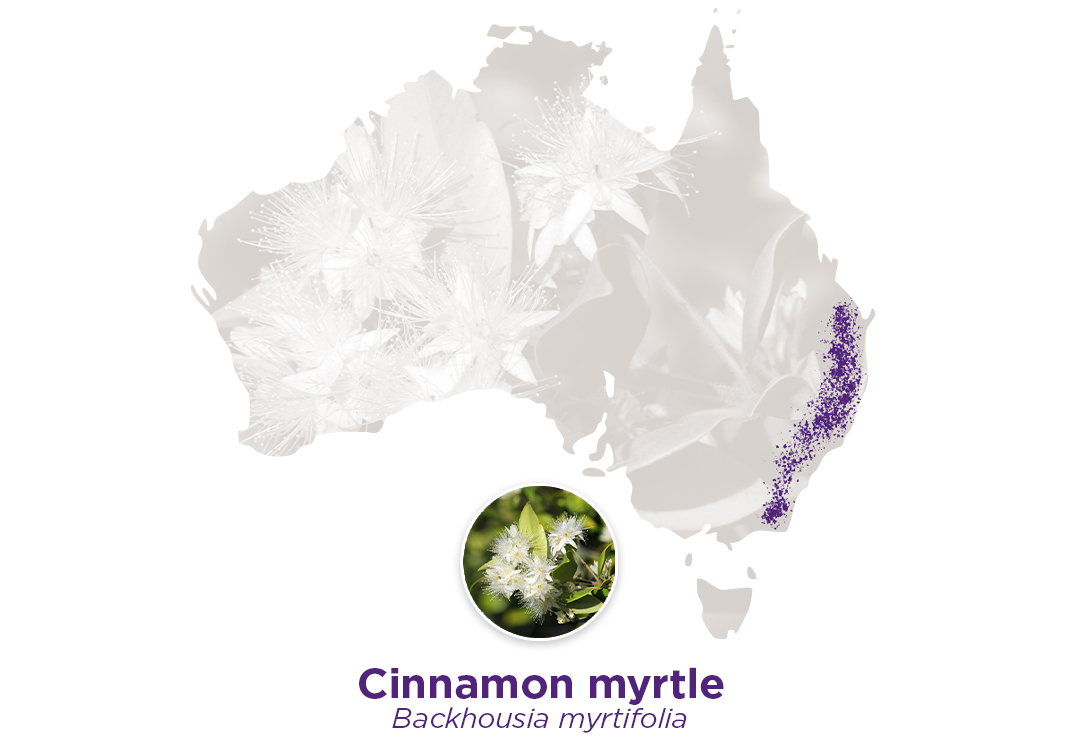
Cinnamon myrtle (Backhousia myrtifolia)
Cinnamon myrtle with its sweet and spicy aroma, stood out for its exceptionally high fibre content of almost 50 per cent, surpassing traditional spices like cinnamon and cloves.
This fibre profile not only promotes digestive health but also improves texture and water absorption in baked goods.
With no detectable sugars, it could be a natural fit for low-glycaemic and diabetic-friendly products.
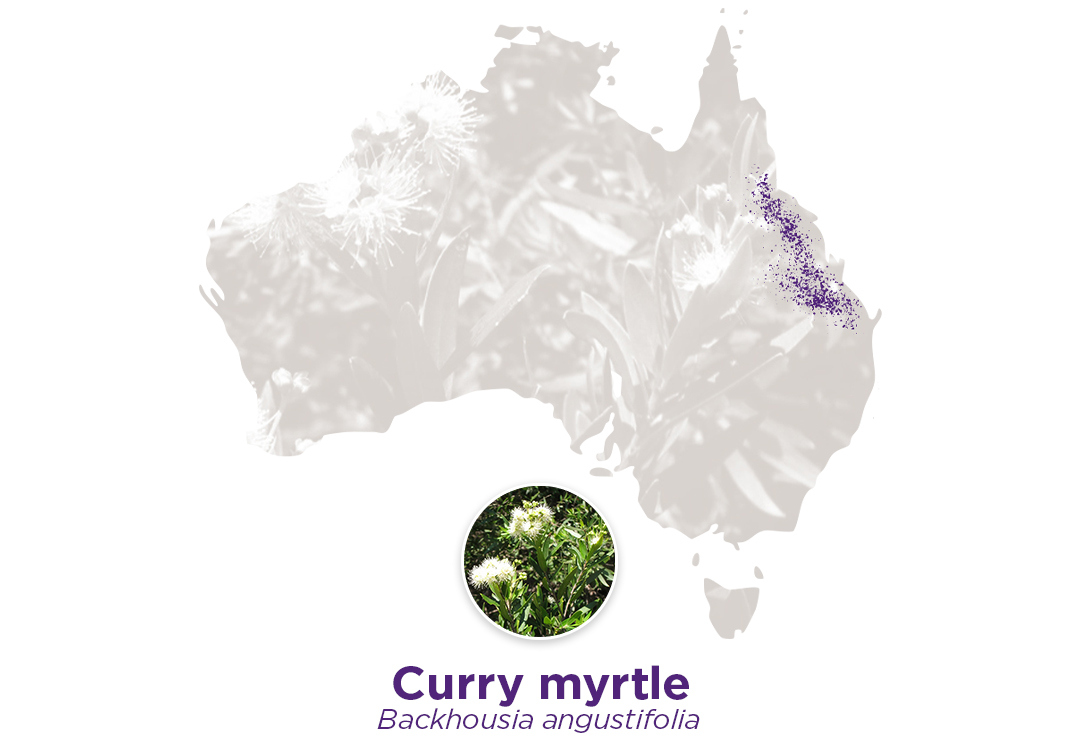
Curry myrtle (Backhousia angustifolia)
Rich in protein at 10.28 per cent and boasting a distinctive cumin-like flavour, curry myrtle offers more than just taste.
Its protein level exceeded those of many common spices which could make it a natural fit for plant-based and high-protein foods enhancing both taste and nutritional density.
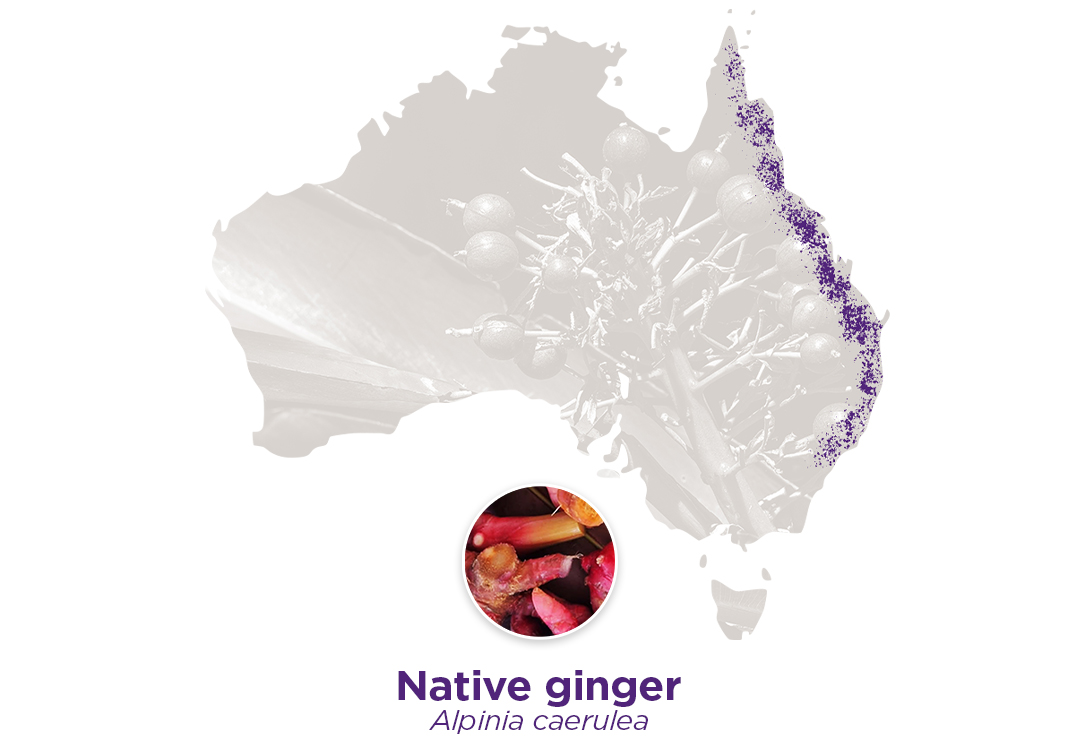
Native ginger (Alpinia caerulea)
Native ginger delivers a sweet surprise with sugar levels higher than common ginger making it ideal for fermentation-based drinks like ginger beer.
Beyond its flavour it is mineral-dense containing high levels of iron (114 mg/kg) and molybdenum (1,058 mg/kg).
Additionally, the magnesium content adds functional benefits for energy and muscle recovery and function.
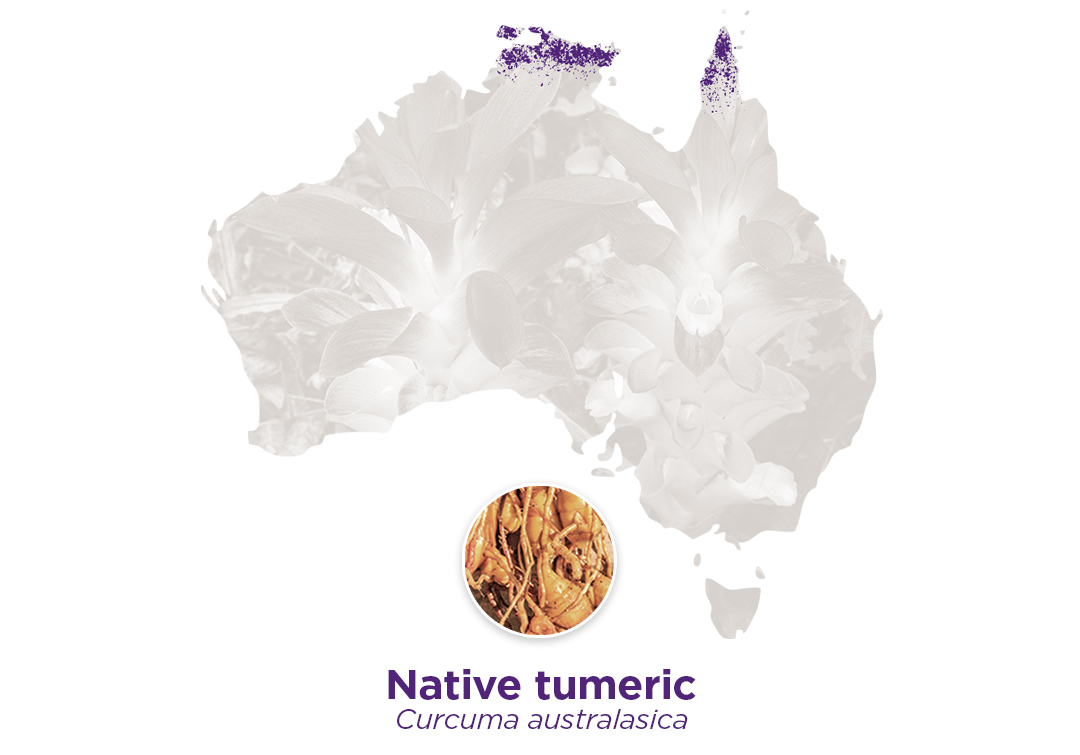
Native turmeric (Curcuma australasica)
Native turmeric combines vibrant colour with impressive nutrition, offering the highest protein (11.47 per cent) and starch content (54.33 per cent) of the 5 spices studied. This could make it suitable for gluten-free thickening.
Packed with zinc (105.9 mg/kg) and phosphorus, native turmeric supports immune health and metabolic functions.
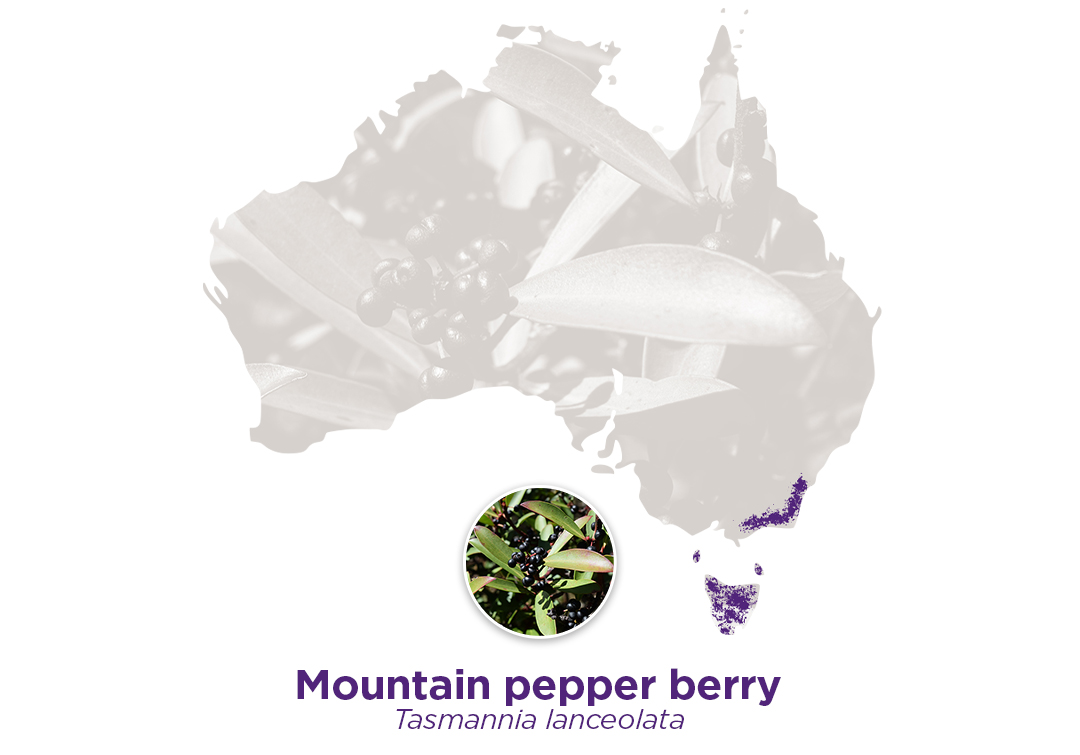
Mountain pepper berry (Tasmannia lanceolata)
Mountain pepper berry is filled with fibre (54.78 per cent) and healthy fats exceeding most traditional spices.
Its natural sweetness and potassium content could make it ideal for reduced-sugar products and heart-health formulations.
What’s next?
Dr Nastasi said future research would explore seasonal and regional nutrient variations, nutrient bioavailability and the effects of processing the plant materials.
“If we build knowledge and demand, the best placed and most appropriate people to cultivate these ingredients and develop enterprises are Traditional Owner groups,” Dr Nastasi added.
The Indigenous food industry is currently valued at more than $50 million, and yet only one to two per cent of businesses are Indigenous owned. Indigenous people, including Traditional Owner groups need to be able to benefit from native foods that were, are and can be grown on Indigenous land.
Ms Chapman said the spice plants could be grown on Country and be turned into income streams, even seasonally, to help sustain communities and support their culture.
“I want to encourage Aboriginal people to use these foods in their own diets again, helping us become a healthier nation.”
- The research forms part of A Deadly Solution: Towards an Indigenous-led Bush Food Industry, an ARC-funded initiative (2022-2027) which unites traditional ecological knowledge with analytical food science to advance Indigenous participation in agri-food innovation. It is led by Adjunct Associate Professor Dale Chapman with Mr Gerald Turpin, Professor Bronwyn Fredericks, Professor Susanne Schmidt, Professor Emeritus Helen Ross, Honorary Professor Kim Bryceson, and Dr Marlize Bekker, and partner organisations Watsonville Aboriginal Corporation, Yambangku Aboriginal Cultural Heritage and Tourism Development Aboriginal Corporation, Batavia Traditional Owners Aboriginal Corporation, and the Queensland Department of Environment, Tourism, Science and Innovation.