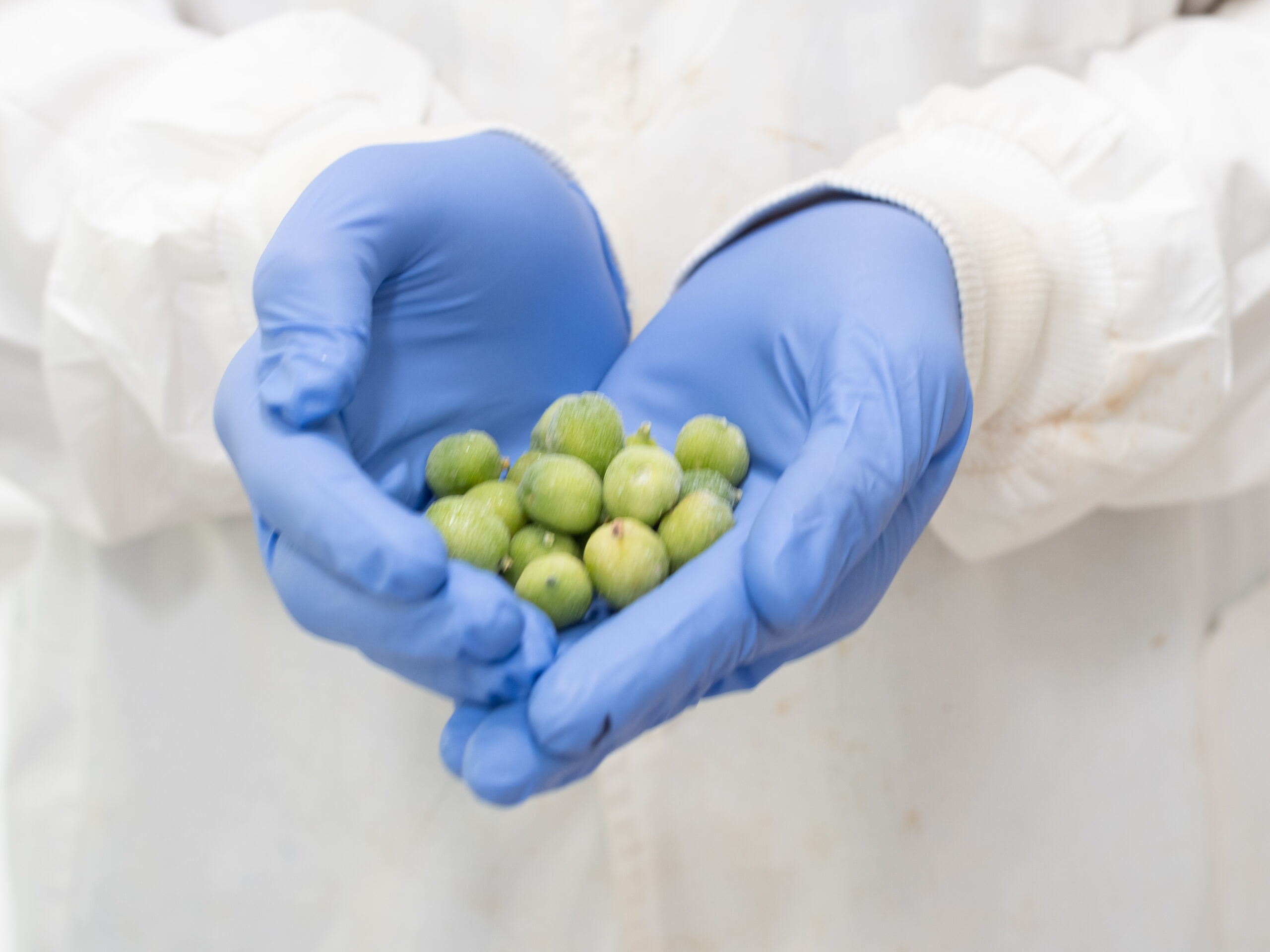
Indigenous citrus offers a sweet opportunity for business
Growing global production of Indigenous citrus offers opportunities for Australia’s little-known six native species, according to a University of Queensland researcher.
“We have the highest number of endemic citrus species of any country, but despite a global industry worth $140 billion, many Australians have never seen or eaten them,” Joel Johnson at the Queensland Alliance for Agriculture and Food Innovation said.
“First Nations people have used them as food and medicine for generations but there is little documentation of it.
“With the exception of finger lime, Australian citrus is not commercially grown or generally found in shops and that’s where my research comes in.”
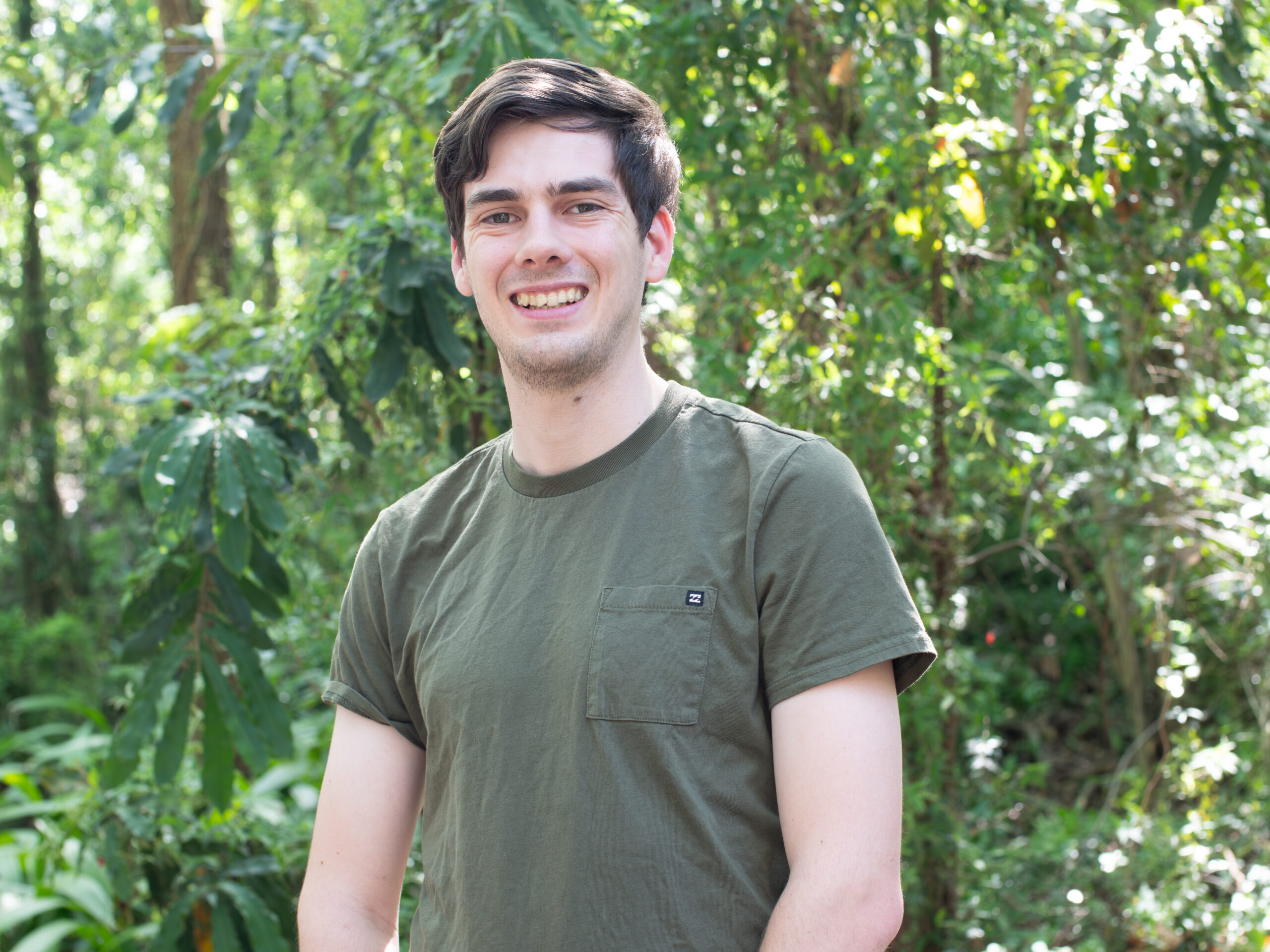
Researcher Joel Johnson from the Queensland Alliance for Agriculture and Food Innovation.
For the first time, researchers are systematically characterising the different species to determine whether there is any prospect of commercialisation or marketing them for their nutritional value and potential health benefits.
“Their unique flavours and aromas suggest promising new applications in the food sector,” Mr Johnson said.
He has gathered samples of five of the six species for analysis and said they all have different possibilities.
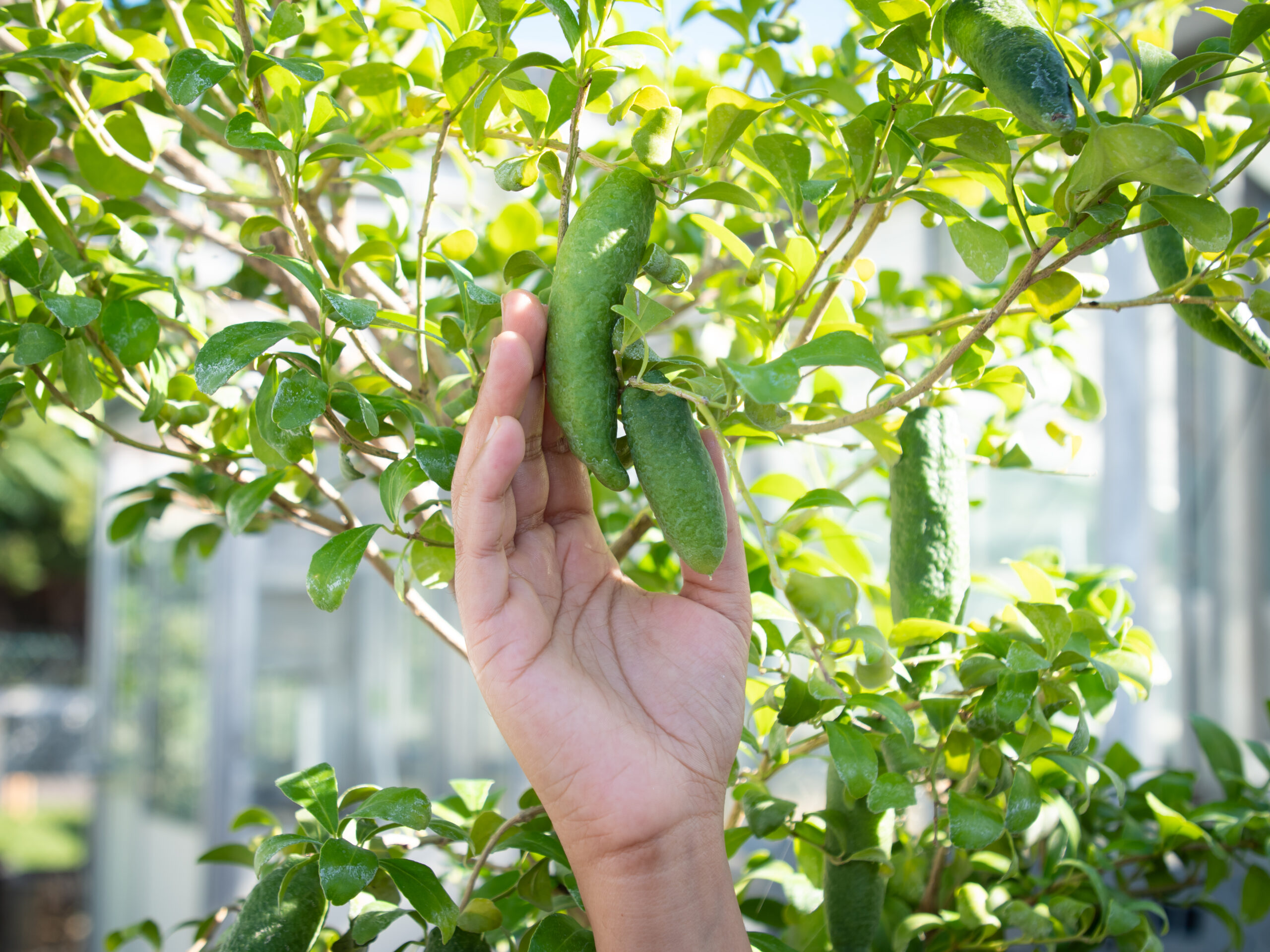
Native finger limes are the only commercially-grown lime in Australia.
“Citrus inadora or Russell River lime for example has four times the vitamin C content of a standard Tahitian lime while Citrus glauca or desert lime has more than six times the vitamin C content, which is a promising avenue for further investigation,” he said.
“Earlier research already shows some of our native species are disease resistant so there is interest in developing hybrids that carry that gene.
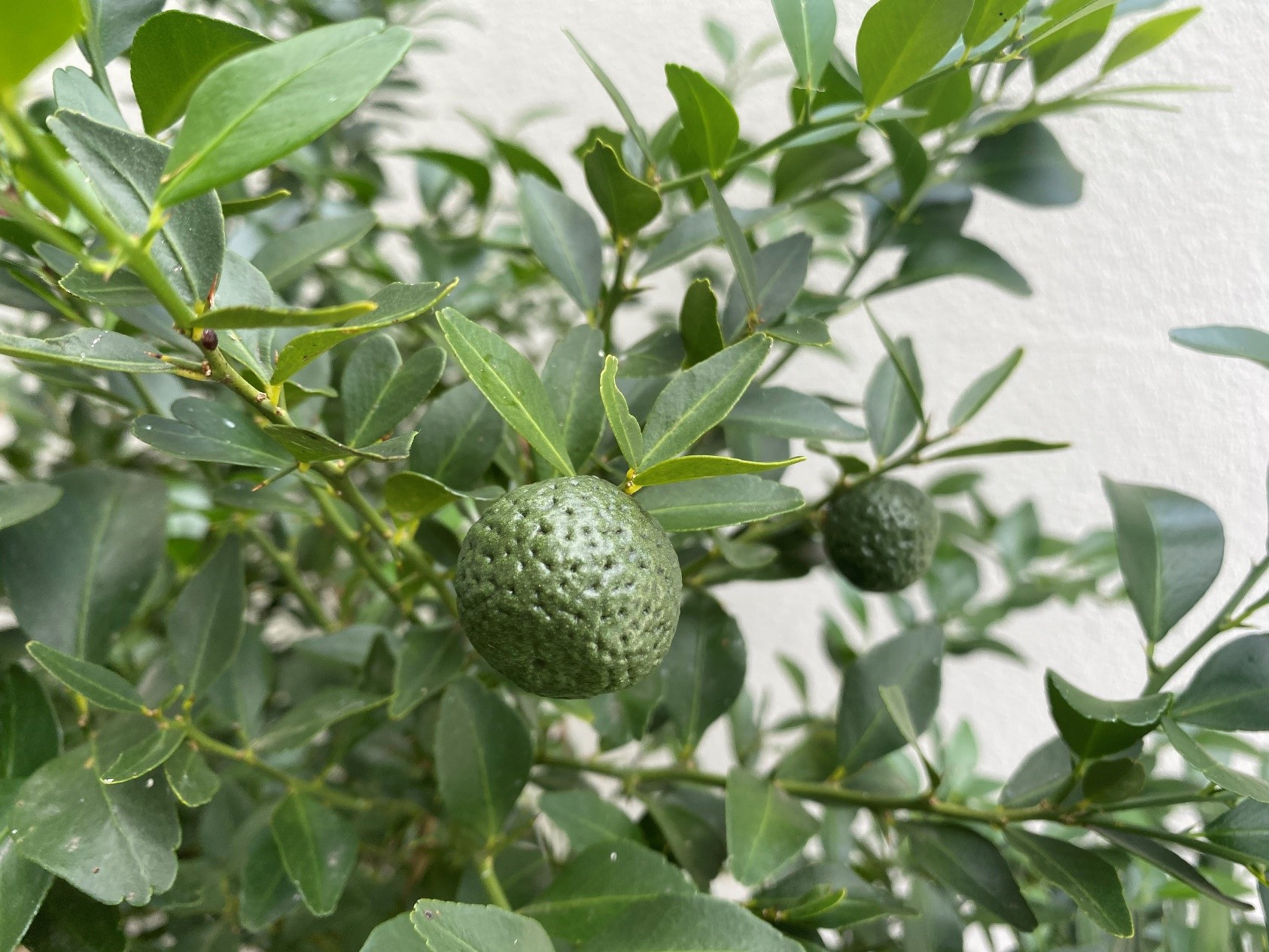
Gympie limes.
“If we’re looking at the genetics of these species, I think it’s also important to know the chemical composition and nutritional properties because that will have an impact on the potential future hybrids.”
“The species are naturally adapted to Australia’s climate giving them an inherent resilience to drought, heat and other environmental stresses.
“I’m also planning to look at the levels of other vitamins like folate and vitamin E and the flavonoids to gain a comprehensive understanding of their nutritional and bioactive properties,” Mr Johnson said.
“I’m confident this research will pave the way for unlocking the full potential of these under-investigated native species.”