Report reveals Indigenous women face higher risk of cancer
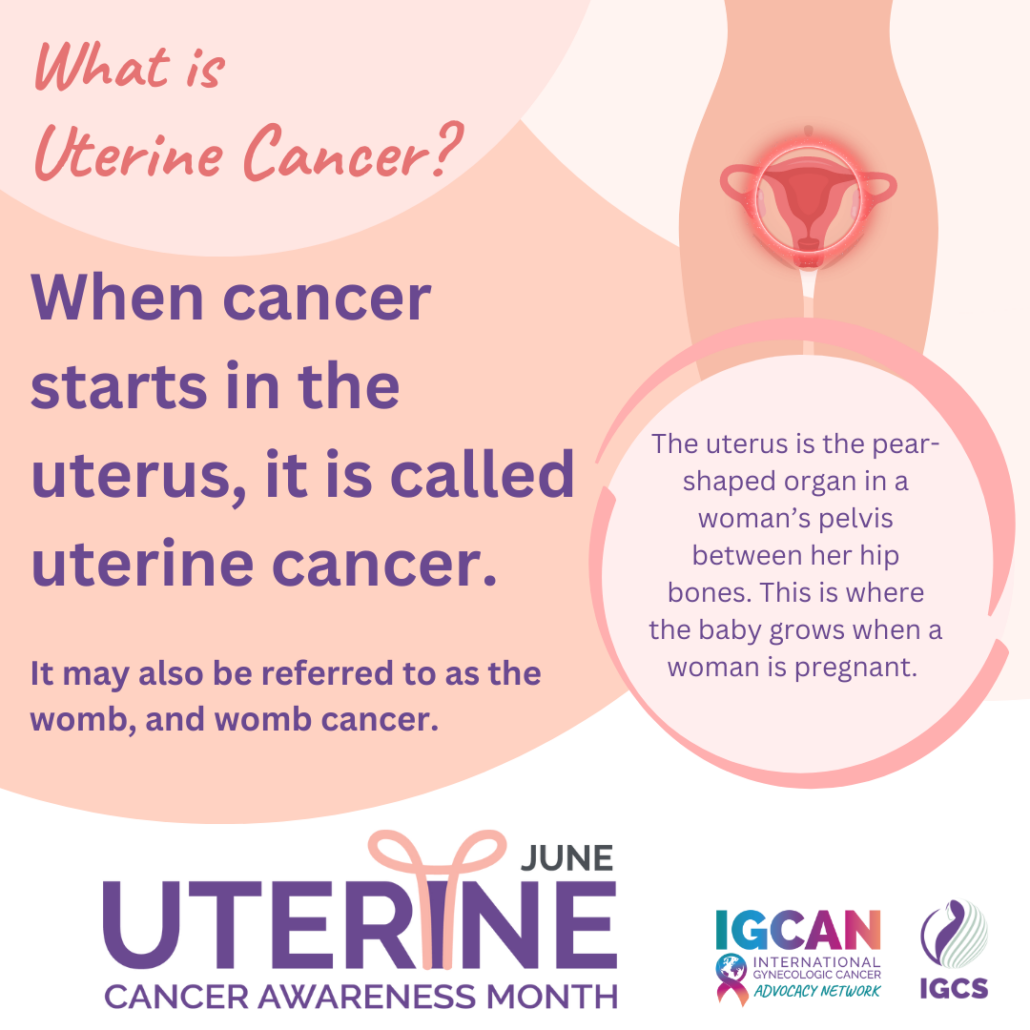
Uterine cancers are now Australia’s fastest-growing women’s cancer, with incidence doubling over the past 25 years and projected to continue to surge.
Without immediate action, more than 44,000 women are expected to be diagnosed by 2035, and 8,900 will lose their lives. The burden is greater for Aboriginal and Torres Strait Islander women, who face growing inequality in outcomes.
Australia’s first State of the Nation: Uterine Cancers in Australia 2025 report by the Australia New Zealand Gynaecological Oncology Group, reveals a confronting picture of a growing women’s health crisis that has gone largely unseen and one that now requires immediate, coordinated national action.
Once considered a cancer that primarily affected older women, the report highlights an alarming new trend: incidence is now rising fastest among women aged 25 to 44, with cases in this age group expected to increase by around 60 per cent alone by 2035.
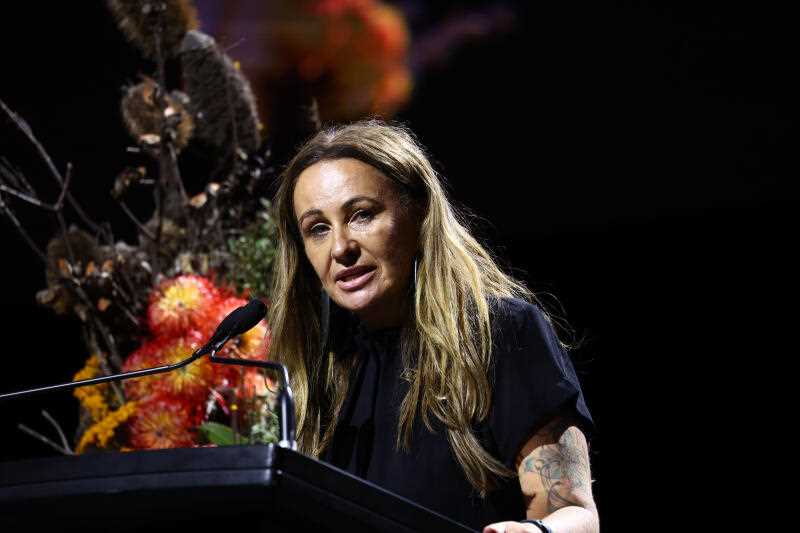
“This comprehensive, evidence-based report now clearly shows that uterine cancers are a major and growing health challenge. Diagnoses are increasing across almost every age group, particularly our younger women, and the impact is being felt by women, families and communities in every corner of the country,” Professor Clare Scott, Chair of ANZGOG, said.
Hidden populations face greater risks
The report highlights stark inequities in uterine cancer outcomes across Australia.
Women in regional and remote areas, Aboriginal and Torres Strait Islander women and those from lower socioeconomic backgrounds are all more likely to be diagnosed later, have less access to specialist care, and face higher mortality rates. Addressing these inequities could improve outcomes for more than 22,000 women by 2035.
- Aboriginal and Torres Strait Islander women: 1.2 times more likely to be diagnosed with uterine cancer and lose their lives than non-Indigenous women.
- Women in regional and remote areas: 1.2 times more likely to be diagnosed with uterine cancer and 1.5 times more likely to die lose their lives compared to women in urban areas.
- Women from low socioeconomic backgrounds: 1.7 times more likely to be diagnosed with uterine cancer and 2.1 times more likely to lose their lives than women from higher socioeconomic backgrounds.
“Where a woman lives, her cultural background, financial circumstances, or where her cancer is located, should never determine her chance of surviving. Yet for too many women, the unspoken burden of uterine cancer is a reality they face every day. We can, and must, do better.” Professor Scott said.
Up to 60 per cent preventable; Investment in awareness, research and support will save thousands of lives.
Despite its growing impact, uterine cancer remains largely invisible in Australia’s cancer conversation. The limited research available notes, a staggering 94 per cent of women are unaware of what uterine or endometrial cancers are yet increased awareness of the disease and risk factors could prevent up to 60 per cent of future diagnoses.
Research investment for uterine cancers lags far behind other cancers. Between 2003 and 2020, uterine cancers received just $1 million per year in research funding, compared with $24.5 million per year for breast cancer, a 427 per cent funding gap per diagnosis, per year.
This disparity means women with breast cancer have over seven times more treatment options, and those with metastatic breast cancer have more than 11.5 times the options available to women with advanced uterine cancer.
In addition, support and psychosocial care for women living with uterine cancers are inconsistent, and currently there is no dedicated national advocacy organisation. Many women face pain, fatigue, anxiety and long-term side effects alone.
Prioritising prevention, advancing research, and ensuring equitable access to precision care could also save $4.1 billion in healthcare costs over the next decade while saving thousands of Australian lives.
“Behind every number is a woman, her family, her community, and often a story of silence and isolation. This report is a wake-up call. Uterine cancers have largely been unseen, unsupported, and underfunded for far too long.” Associate Professor Yoland Antill, an ANZGOG Director and Deputy Chair Research Advisory Committee and Medical Oncologist, said.
A national plan to reverse the rise
With the evidence now clear, the State of the Nation report sets out a national plan to reverse the rise in uterine cancers and transform outcomes for Australian women.
The report identifies five urgent priorities: halve incidence, eliminate inequities, ensure access to precision care, support every woman to live well, and invest in research and data. Achieving these goals will require united action from government, researchers, clinicians, industry and the community to deliver the innovation, equity and support Australian women deserve.

“This report outlines an agenda for change. No single organisation can tackle the rising burden of uterine cancers alone. ANZGOG is committed to working with government, partners and the sector to reverse the rise in uterine cancer and ultimately save lives.” Professor Scott said.
For more than 25 years, ANZGOG has led innovation in gynaecological cancer research and education across Australia and New Zealand. By uniting clinicians, researchers and people with lived experience, ANZGOG continues to deliver evidence that transforms prevention, diagnosis, treatment and survivorship outcomes, improving lives and shaping the future of care for women with uterine cancers.
To view the report, visit: www.anzgog.org.au