Remote communities to benefit as grocery subsidy grows
More the 50 Northern Territory remote stores, in communities such as Croker Island in the north, Aputula in the south, and Atitjere in the east, are now accessing cheaper groceries through the Low-Cost Essentials Subsidy Scheme.
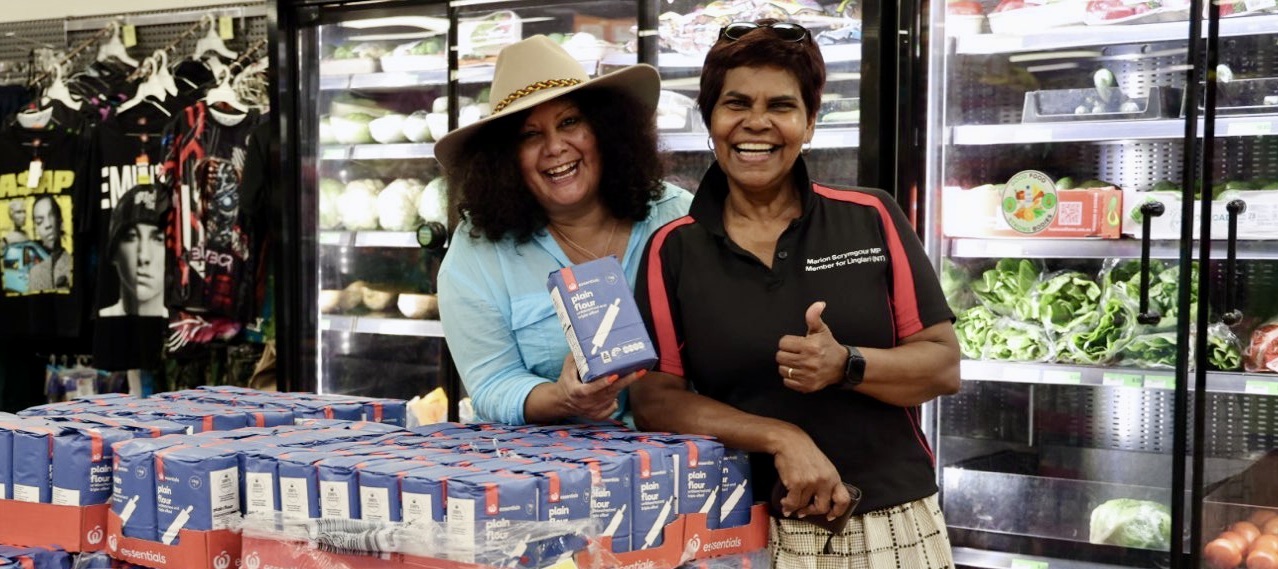
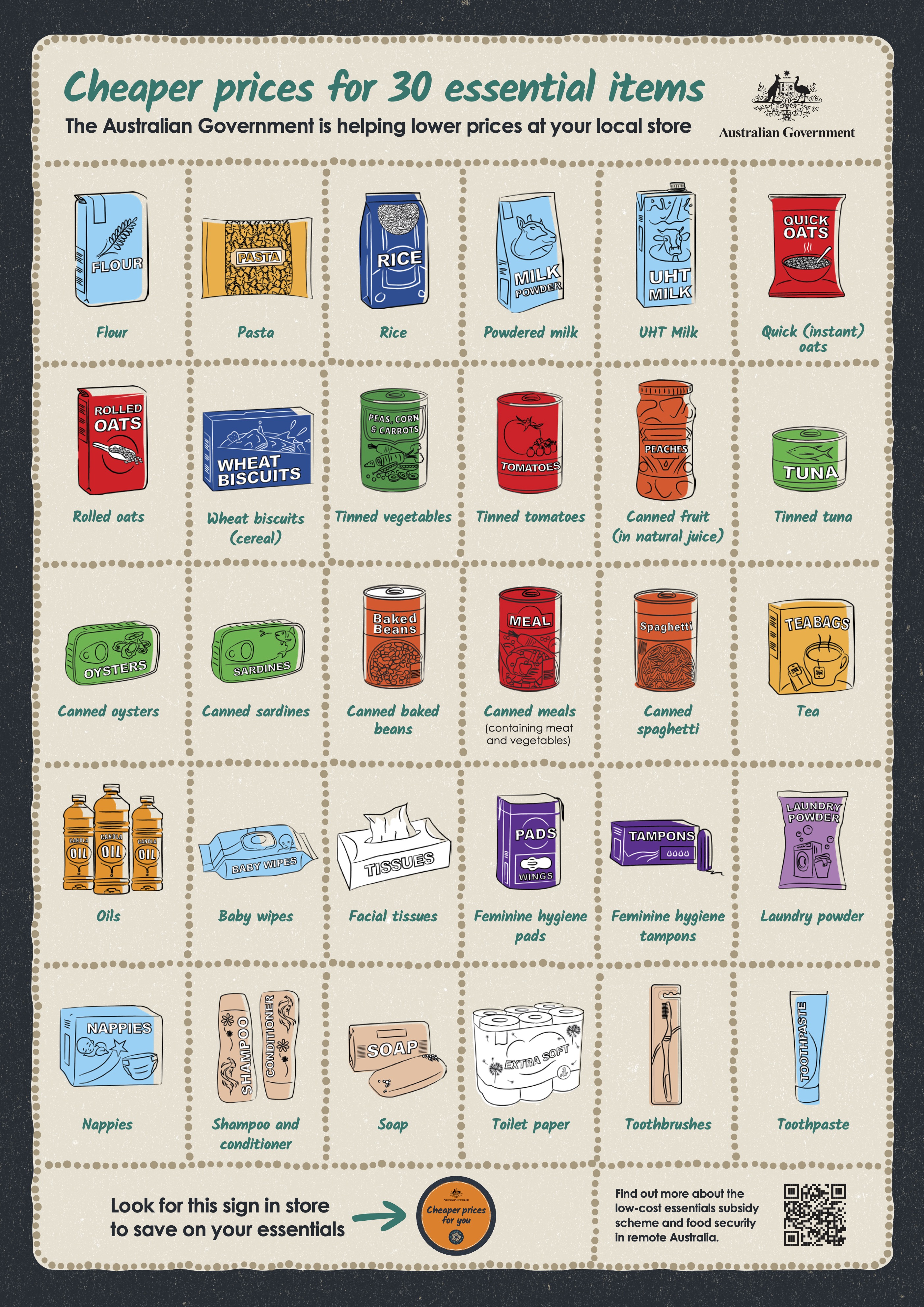
Under the Scheme, the cost of 30 essential items has been reduced, so they are comparable to prices in urban areas. The expected savings for remote consumers is up to 50%.
Food items that have been made cheaper include tinned vegetables, canned fruit and rice, along with everyday items including nappies and toilet paper.
Supporting families
“We promised cost of living relief and that’s exactly what we’re delivering in remote communities across the Northern Territory,” Minister for Indigenous Australians, Senator Malarndirri McCarthy said.
“For far too long families in remote communities have paid far higher prices for food and groceries. This initiative is delivering on our promise to support families with cost of living relief.
“The Albanese Labor Government is proud to support remote communities across the Northern Territory through the Low-Cost Essentials Subsidy Scheme.”
Atitjere Store Manager Terry McLennan said his company had just placed its first order, and already could see a real difference for the community.
“In my 20 years working in this space, this is the first time I’ve seen such a real difference,” he said.
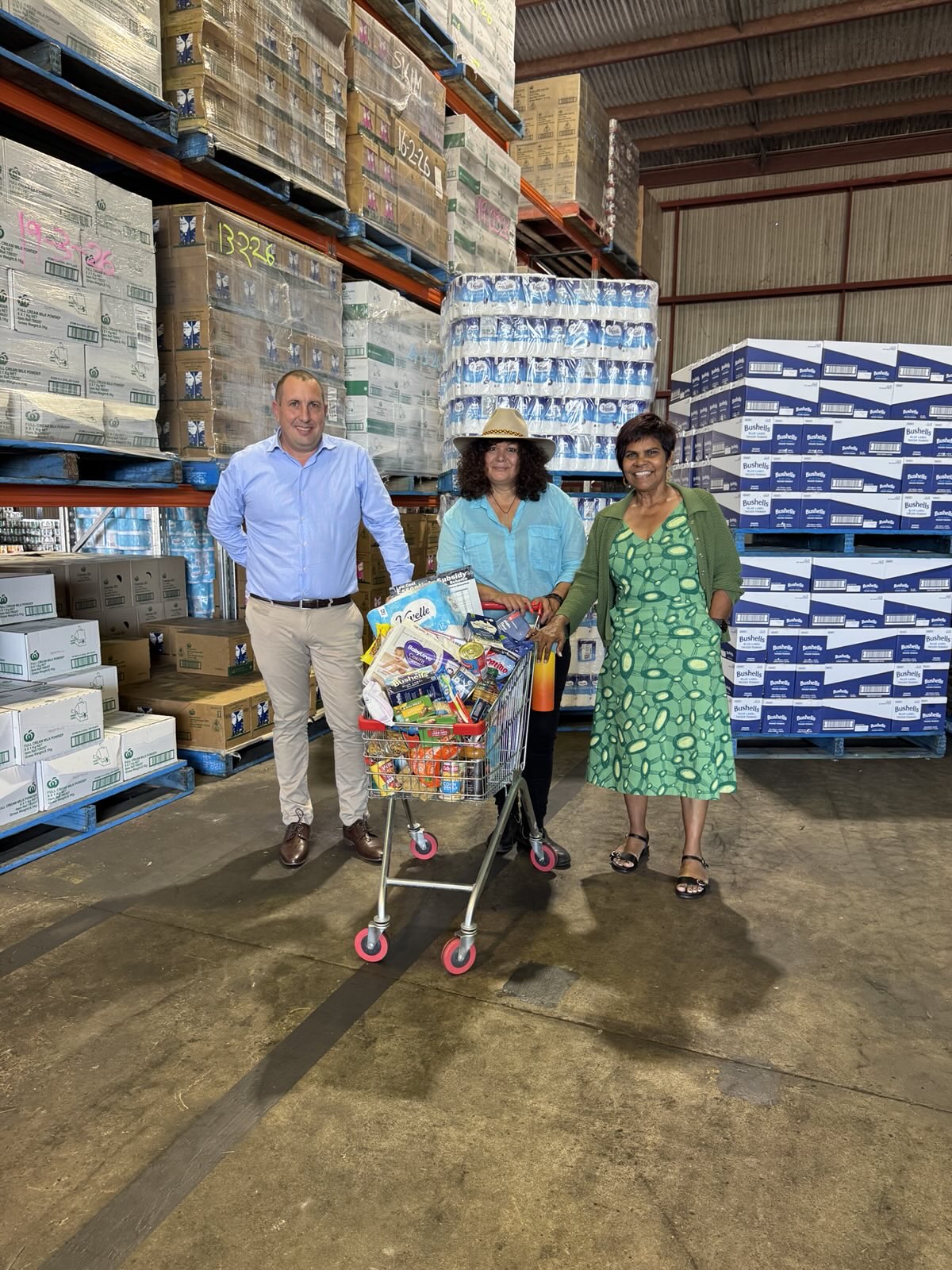
Special Envoy for Remote Communities Marion Scrymgour said signing up 50 remote stores to the scheme would make a real difference to people living in the Northern Territory.
“We have been working hard to tackle cost of living pressures and to ensure that people living in remote areas get a fair go when shopping at their local store,” she said.
“This $50 million investment shows our government supports people living in remote areas.”
Sign up to the scheme
Administered by the National Indigenous Australians Agency, the Scheme is delivered by Outback Stores, a not-for-profit Commonwealth company.
Participating stores are required to sign up to the new National Code of Practice for Remote Store Operations which includes minimum standards aimed at improving capability in three key areas – governance, operations and health.
Once approved for the Scheme, stores can begin ordering stock from the list of 30 essential items to meet the needs of their community.
The Government is investing $50 million over four years to improve remote food security, including reducing the cost of essential items in up to 152 remote stores.
To see the full list of participating NT stores, visit Food security in remote First Nations communities: https://www.niaa.gov.au/our-work/health-and-wellbeing/food-security-remote-first-nations-communities