Flu risks high for Indigenous peoples
Influenza deaths in the first seven months of this year have surpassed the same period in the most recent severe flu year of 2019, according to new data from the Australian Bureau of Statistics.
And Aboriginal and Torres Strait Islander people face heightened risks, with 29 influenza-related deaths recorded in 2025 and mortality rates higher than non-Indigenous Australians.
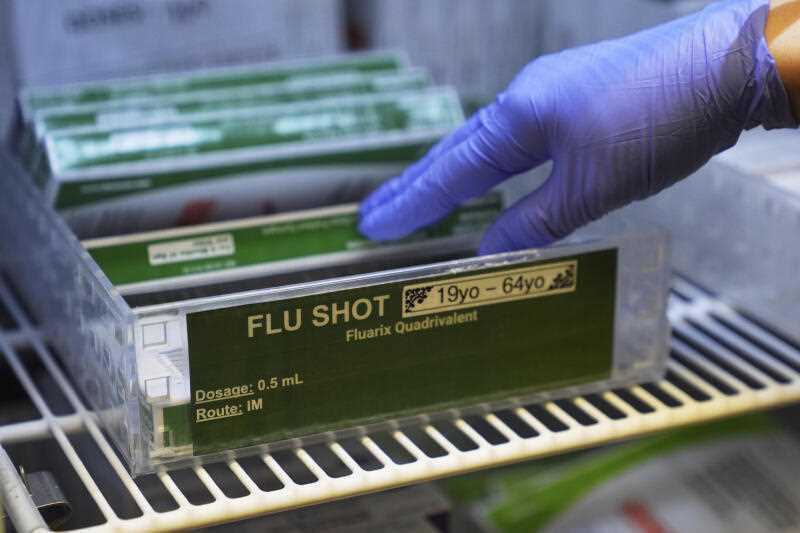
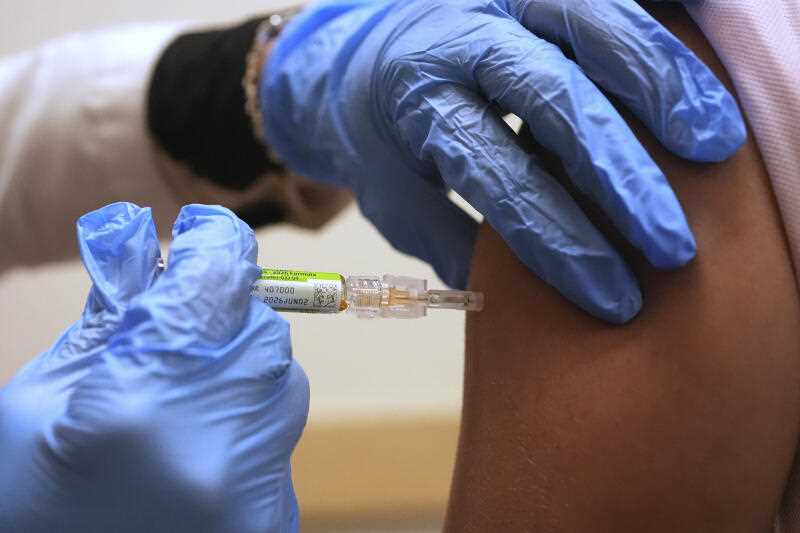
Australian College of Nursing Chief Nursing Officer Frances Rice said the figures were further evidence that Australia needs more nurse-led programs and clinics to reverse Australia’s declining vaccination rates.
“These numbers are a wake-up call,” Ms Rice said.
Deadly disease
“While attention has focused on COVID-19 in recent years, influenza remains a deadly disease that we have effective vaccines against. We cannot afford to be complacent.”
Provisional mortality statistics reveal that 753 influenza deaths were recorded between January and July 2025 – the worst period since the same time in 2019.
Influenza claimed 258 Australian lives in July 2025 alone, marking the highest monthly toll since September 2017.
The ABS data shows that females have been disproportionately affected by influenza mortality, with 396 female deaths compared to 357 male deaths in 2025.
Older Australians remain particularly vulnerable, with the majority of deaths occurring in people aged 70 years and above.
The mortality data comes as a recent National Centre for Immunisation Research and Surveillance (NCIRS) report identifies significant barriers preventing Australians from accessing vaccinations, including difficulty getting appointments, inability to afford associated costs, and scheduling challenges.
Ms Rice said that expanding nurse-led immunisation clinics is crucial to addressing access barriers.
More funding needed
“Nurses are Australia’s leading immunising healthcare professionals.
“We need to support community-based, nurse-led clinics with rotating locations, extended hours, and drop-in appointments to make vaccination more accessible for all Australians.”
“The NCIRS report specifically recommends boosting funding and capacity for nurse-led clinics both inside and outside general practice settings, including onsite child and family health support.
“We must intervene now before vaccination rates slide further and more preventable deaths occur.
“But this requires a coordinated, multi-sectoral approach with genuine policy and funding commitment.”