100 remote stores now enrolled in low-cost essential food program
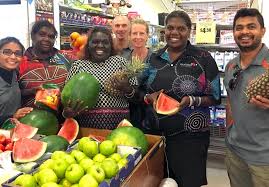
The Federal Government is delivering on its commitment to ease cost of living pressures in remote First Nations communities, with 100 stores now enrolled in the Low-Cost Essentials Subsidy Scheme.
From Wirrimanu, in Western Australia’s Kimberley region, to Lajamanu on the edge of the Tanami Desert in the Northern Territory, from Indulkana in South Australia’s Anangu Pitjantjatjara Yankunytjatjara Lands to Boigu Island, the most northerly inhabited island of Queensland, communities will see the benefits of cheaper groceries and household staples.
“Reaching the 100 stores milestone means more First Nations families in remote communities in the Northern Territory, Queensland, Western Australia and South Australia are paying fairer prices for everyday items,” Minister for Indigenous Australians, Senator Malarndirri McCarthy said.
“Communities are telling us there is less stress at the checkout and more food on the table.
“We’re seeing families able to stretch their budgets further, and that’s making a real difference. This is about dignity, fairness and better health outcomes for remote communities.
“For remote stores that haven’t yet submitted an application, I encourage you to apply to join our Low-Cost Essentials Subsidy Scheme, so your community can also benefit.”
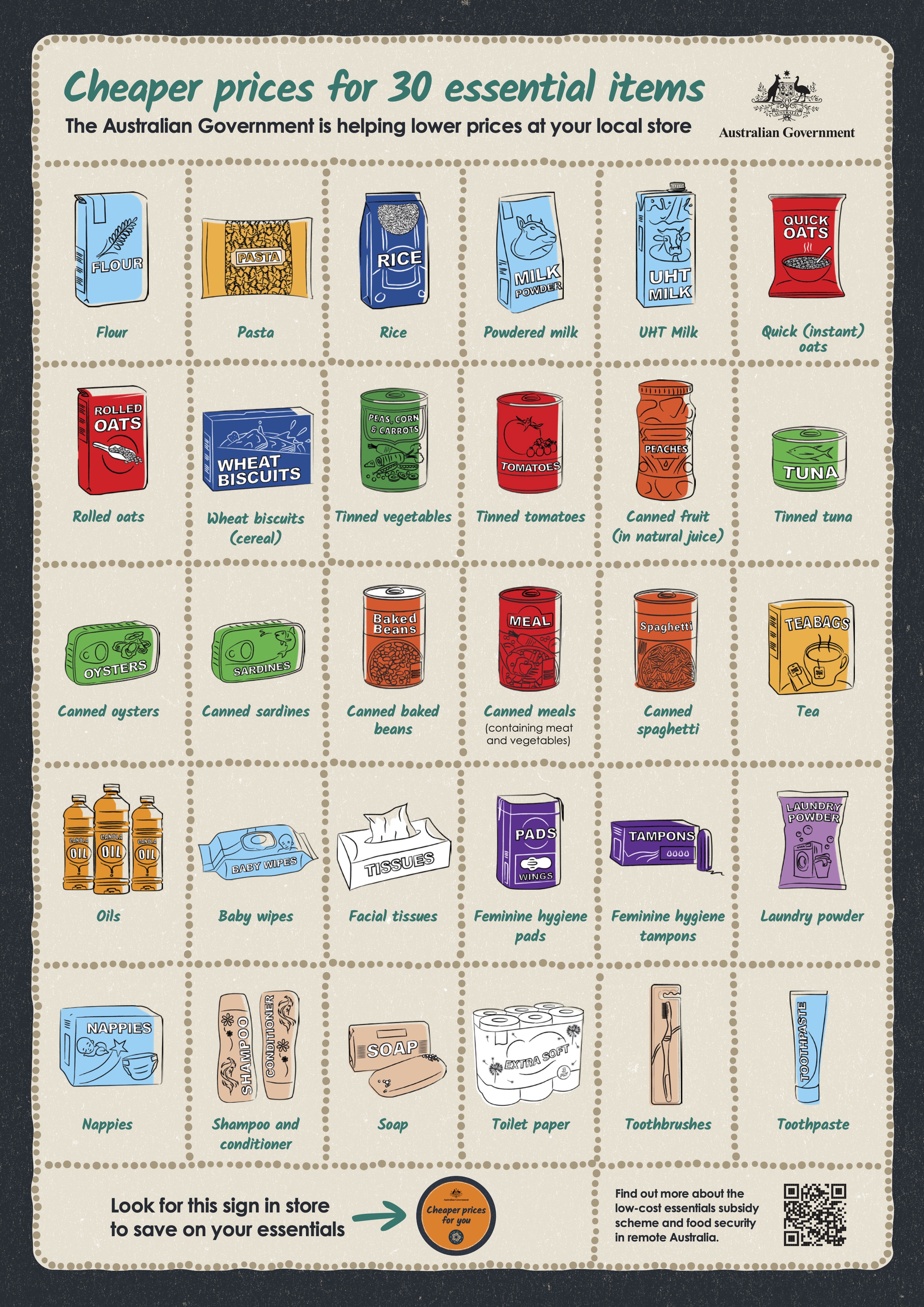
Under the Scheme, the cost of 30 essential items has been reduced, so they are comparable to prices in urban areas. The expected savings for remote consumers is up to 50 per cent.
Food items that have been made cheaper include tinned vegetables, canned fruit, pasta and rice, along with everyday items including nappies, soap and toilet paper.
Arnhem Land Progress Aboriginal Corporation (ALPA) Deputy Chair Don Wininba said communities were buying food from the ALPA shops. “It’s manymak [good].”
“The way I’ve been looking at the two ALPA shops in Galiwin’ku, it’s good to have lower prices because people can save to afford bigger things like washing machines, dryers,” he said.
Administered by the National Indigenous Australians Agency, the Scheme is delivered by Outback Stores, a not-for-profit Commonwealth company.
Participating stores are required to sign up to the new National Code of Practice for Remote Store Operations which includes minimum standards aimed at improving capability in three key areas – governance, operations and health.
Once approved for the Scheme, stores can begin ordering stock from the list of 30 essential items to meet the needs of their community.
Outback Stores CEO Michael Borg said his company was proud to play a key role in the Federal Government’s national initiative to make essential items more affordable for remote communities
“Since the launch of the Low-Cost Essentials Subsidy Scheme on July 1, we have seen strong interest, with 100 stores already signing up to participate,” he said.
“Over the past three months, Outback Stores have invested significant resources to ensure the Scheme operates smoothly, driving meaningful price reductions across all participating stores.”
Community Enterprise Queensland chief executive Michael Dykes said his organisation was already getting positive feedback from customers across their 31 stores.
“It’s a strong step towards improving food security and aligns with CEQ’s ongoing commitment to caring for our communities every day, through access to affordable, healthy food,” he said.
The Albanese Government is investing $50 million over four years to improve remote food security, including reducing the cost of essential items. The Low-Cost Essentials Subsidy Scheme will be capped at 152 participating stores.
For more information on the program and a list of stores visit:
https://www.niaa.gov.au/our-work/health-and-wellbeing/food-security-remote-first-nations-communities