Indigenous economic ownership vital to Closing the Gap
At the 2025 Bush Summit in Broome, Professor Peter Yu, Vice-President (First Nations) at the Australian National University, declared that Indigenous Australians must take economic ownership if the nation is serious about closing persistent gaps in wealth, health, and opportunity.
Professor Yu, a Yawuru leader with decades of experience in advocacy, said nearly two decades of government programs under the Closing the Gap framework had failed to achieve lasting change because they relied too heavily on welfare interventions instead of empowering Indigenous communities to generate their own wealth.
“Property capital means risk and reward,” he told delegates.
“You never close the gap unless we, as Aboriginal and Torres Strait Islander people, own that risk ourselves.”
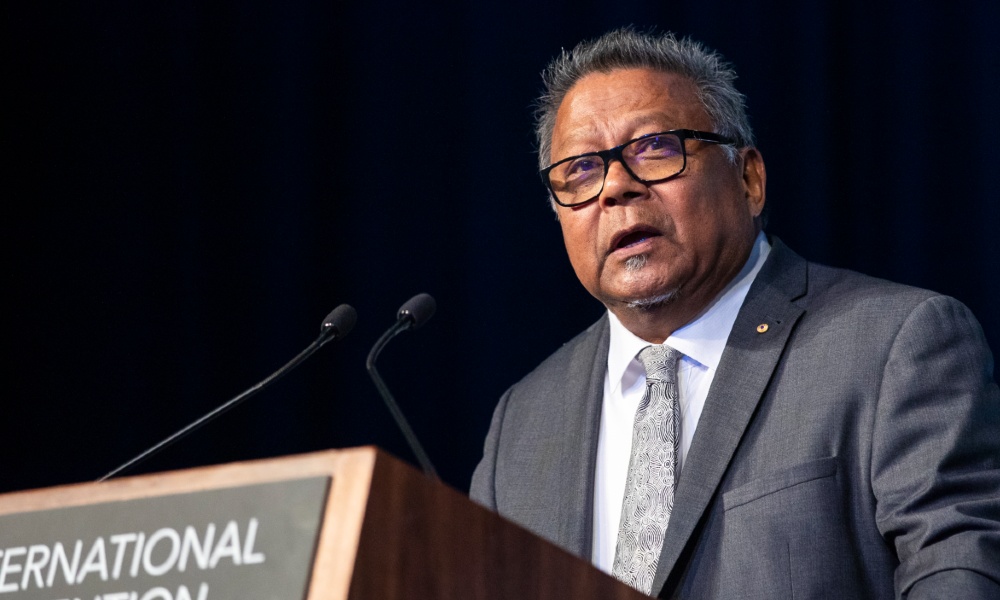
Professor Peter Yu, a Yawuru leader with decades of experience in advocacy.
He pointed to the scale of native title recognition across Australia, with determinations now covering around 80 percent of northern Australia, but said restrictive tenure laws and regulatory hurdles meant communities remained unable to unlock the economic value of their land.
Many Traditional Owner groups, he explained, had been blocked from pursuing opportunities in renewable energy, tourism, or agriculture because banks and investors considered native title land too complex or insecure to underwrite.
Professor Yu singled out the Northern Australia Infrastructure Facility, a $5 billion lending body established in 2016 to support major projects in remote regions. After nearly a decade of operation, the facility has not approved a single loan to an Indigenous-owned enterprise.
“Billions of dollars have been made available for development in the north, yet none of that has flowed into Indigenous corporations,” he said.
“That is not a failure of demand. It is a failure of design.” Industry representatives at the summit agreed the current system was unworkable, saying Indigenous-led projects with strong local support often collapsed at the financing stage.
In response, Professor Yu announced the creation of a new partnership between the Federal government, the First Nations Economic Empowerment Alliance and the Coalition of Peaks, which represents more than 80 Aboriginal and Torres Strait Islander community-controlled organisations.
The alliance will advise on governance reforms, financial structures, and training programs to strengthen Indigenous corporations. It will also identify pilot projects in renewable energy, housing, and small business that could be used as models for future Indigenous-led economic activity.
Prime Minister Anthony Albanese is expected to unveil a broader Indigenous economic empowerment plan at the Garma Festival later this month.
The plan is anticipated to include measures to support Indigenous home ownership, establish venture capital funds for First Nations enterprises, and deliver accredited training through mobile TAFE units in remote regions.
“The economic empowerment of First Nations people must be a national project,” the Prime Minister Albanese said in a statement.
“We cannot keep asking communities to wait for change. We need to ensure the tools of development are in their hands.”
The focus on economic self-determination follows years of criticism that the Closing the Gap framework has been overly centred on social and service outcomes without tackling the structural inequality embedded in Australia’s land, wealth, and investment systems.
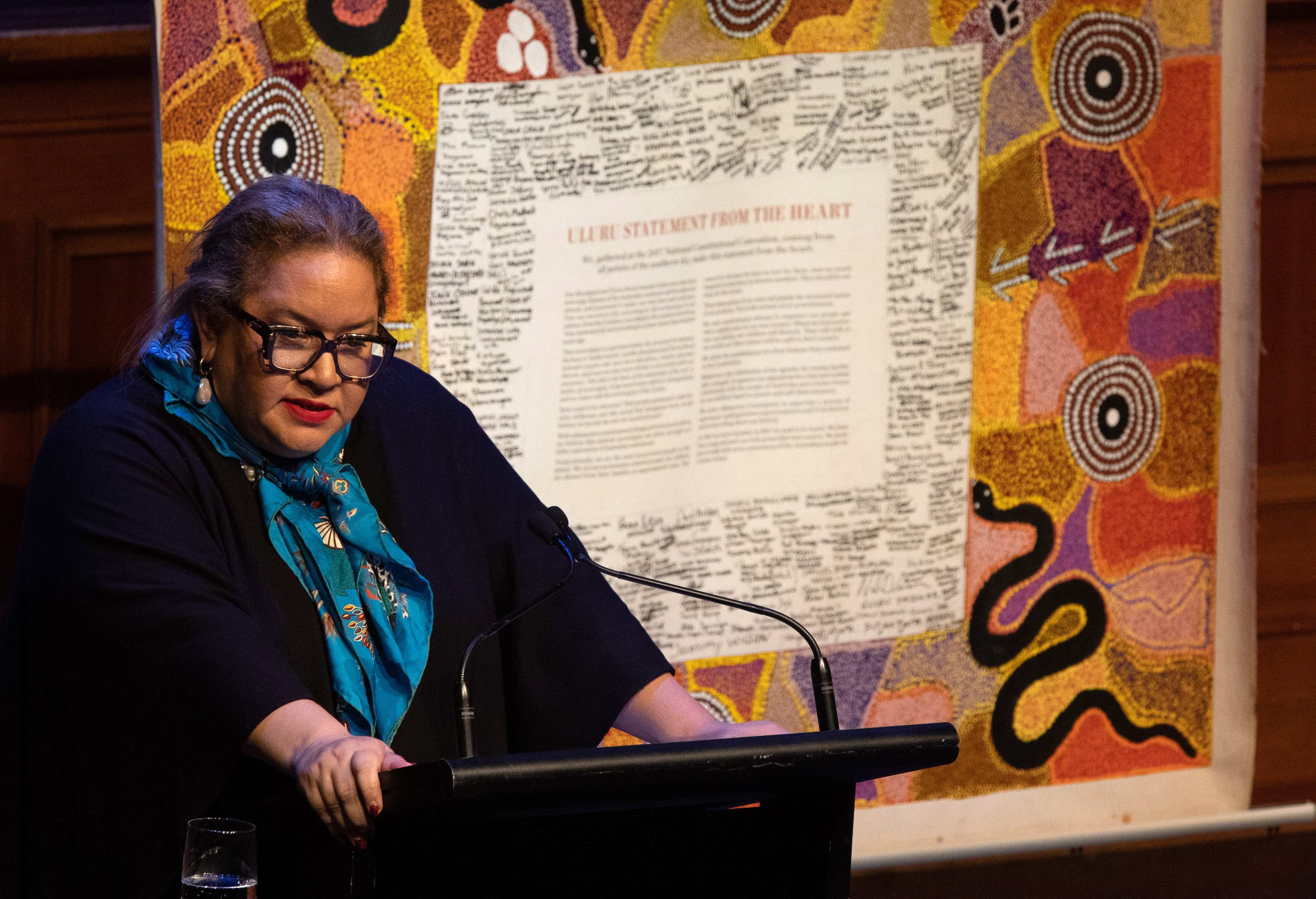
Professor Megan Davis warned against replicating the “technocratic failures” of past frameworks.
The Productivity Commission’s most recent report found that only four of 19 key targets were on track, with little improvement in Indigenous employment, housing, or health outcomes in remote regions.
Not all Indigenous leaders are convinced the new alliance will be different.
Professor Megan Davis, co-chair of the Uluru Dialogue, warned against replicating the “technocratic failures” of past frameworks.
“We cannot afford another plan that produces statistics but no change,” Professor Davis said.
Pat Anderson, chair of the Lowitja Institute, said Indigenous people were “tired of being consulted without being empowered” and that accountability must be built into the structure of any new initiatives.
The Bush Summit itself has become an important platform for debates on rural and regional policy.
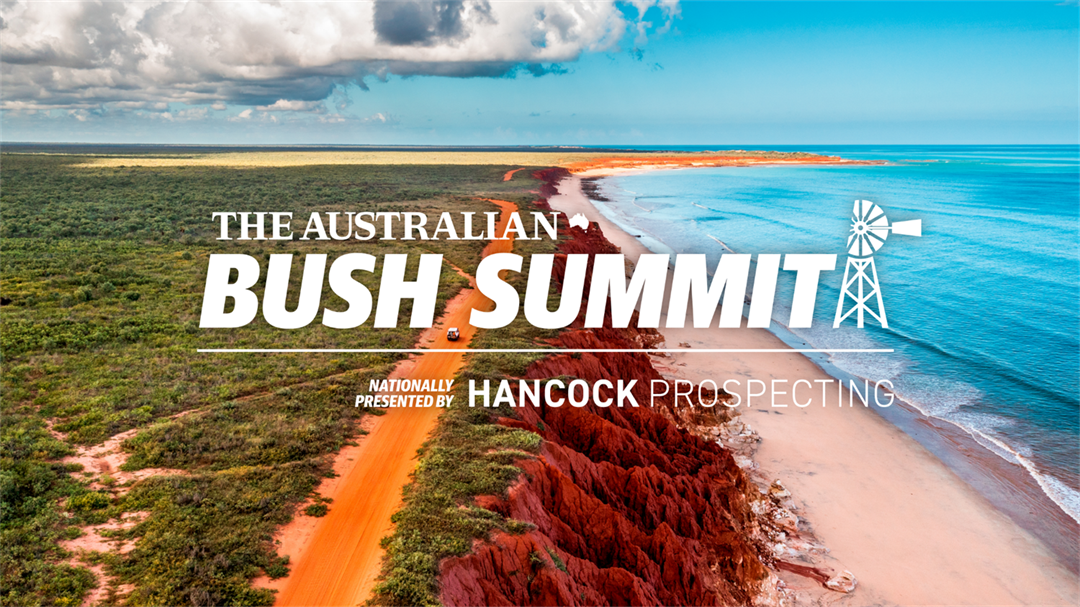
Held in Broome for the first time, the 2025 event attracted politicians, business leaders, and community representatives from across northern Australia. Sessions explored renewable energy development, agricultural diversification, and infrastructure investment, with particular emphasis on the role of Indigenous enterprises.
Professor said these conversations underscored the need for governments and industry to view Indigenous people not as passive recipients of aid but as central actors in the national economy.
Despite optimism about new commitments, challenges remain significant. Indigenous organisations have long argued that recognition of native title must evolve beyond symbolic victories and into practical tools for economic empowerment.
With most of northern Australia under Indigenous tenure, Yu said the success of the nation’s energy transition, agricultural expansion, and regional growth depended on Indigenous participation. “There is no transition without Indigenous participation,” he said.
“This is the future, and it must be led by us.”
He closed his address with a challenge: “We have fought for land. Now we must fight for the means to make that land work for us.”

- ACT
- AFL / AFLW
- Arts
- Athletics and Olympics
- Business
- Conditions and Research
- Culture
- Elections
- Employment and Careers
- Enterprise and Startups
- Entertainment
- Events and NAIDOC
- Fashion
- Film and TV
- Food
- Government and Policy
- Grants and Funding
- Health
- Healthcare and Services
- Heritage and History
- International
- Language
- Legal and Justice
- Lifestyle
- Mental Health and Wellbeing
- Music
- National
- News
- NRL and Rugby League
- NSW
- NT
- Olympics
- Opinion
- Other Sports
- People and Profiles
- Podcast
- Politics
- Property and Land
- QLD
- SA
- Sports
- TAS
- Technology
- Travel
- Treaty and Truth-telling
- VIC
- Voice and Referendum
- WA