30 years of Tjanpi Desert Weavers Empower Dynasties of Women
In central Australia, hundreds of women are celebrating a remarkable milestone. The Tjanpi Desert Weavers, a collective of more than 400 Aboriginal women from 26 remote communities, is marking its 30th year of cultural and creative resilience.
The collective was founded in 1995 through the Ngaanyatjarra, Pitjantjatjara and Yankunytjatjara Women’s Council, beginning with basket weaving workshops.
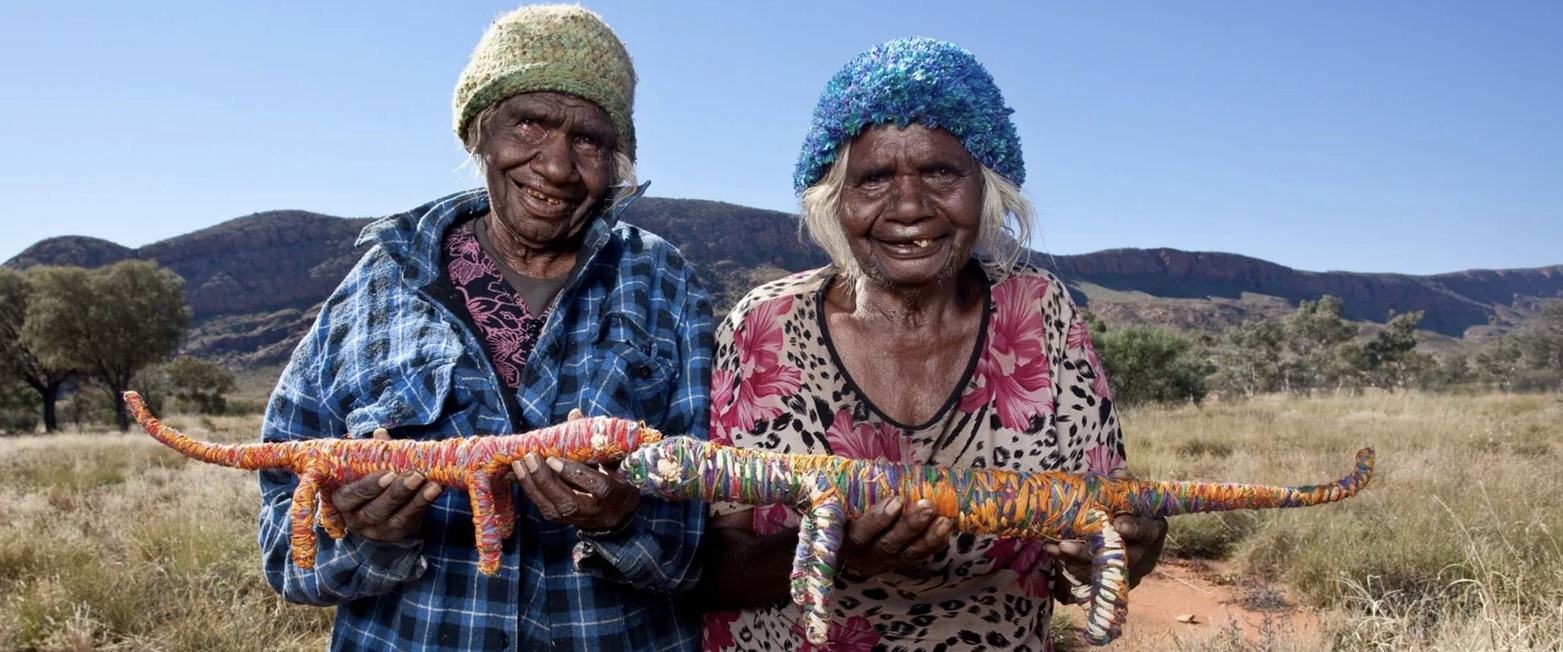
Over time, the women expanded their skills into creating sculptures and large-scale installations from native grasses and natural fibres. Today their works are recognised in galleries across Australia and the world.
Weavers such as Julie Anderson and her niece Justine describe the practice as both financially liberating and culturally grounding. The income from weaving has allowed women to provide for their families, while the art form itself has become a means of passing on culture and knowledge to younger generations.

Tjanpi Desert Weavers have achieved international acclaim, winning awards and exhibiting in prestigious spaces such as the Venice Biennale. Their works have been part of landmark exhibitions including Songlines: Tracking the Seven Sisters, which toured internationally. These achievements demonstrate how art rooted in remote communities can reach global audiences without losing its authenticity.
Beyond art, the collective has become a support network for women in isolated communities. It fosters social connection, emotional wellbeing and intergenerational teaching. The act of weaving together is as important as the final artwork, binding communities through shared practice.
Three decades on, Tjanpi Desert Weavers stands as a model of how Indigenous creativity, cultural identity and economic opportunity can combine. It is not only an art collective, but a story of empowerment woven from the desert grasses of central Australia.