Whitsundays mark Reconciliation Week with community event
National Reconciliation Week will be marked in the Whitsundays with a free public gathering that underscores two defining moments in Australia’s reconciliation journey.
Running from May 27 to June 3, the week commemorates the 1967 referendum and the 1992 Mabo decision while encouraging community participation under this year’s theme, All In.
Key Points
- National Reconciliation Week runs from May 27 to June 3
- Whitsunday Regional Council to host a free community event
- Event set for Thursday 28th May at 9.30am in Proserpine
- Program includes flag raising, welcome to country, smoking ceremony
- Student speakers and morning tea will be part of the program
- Week commemorates the 1967 referendum and 1992 Mabo decision
- Theme All In urges daily commitment across the community
Community event in Proserpine
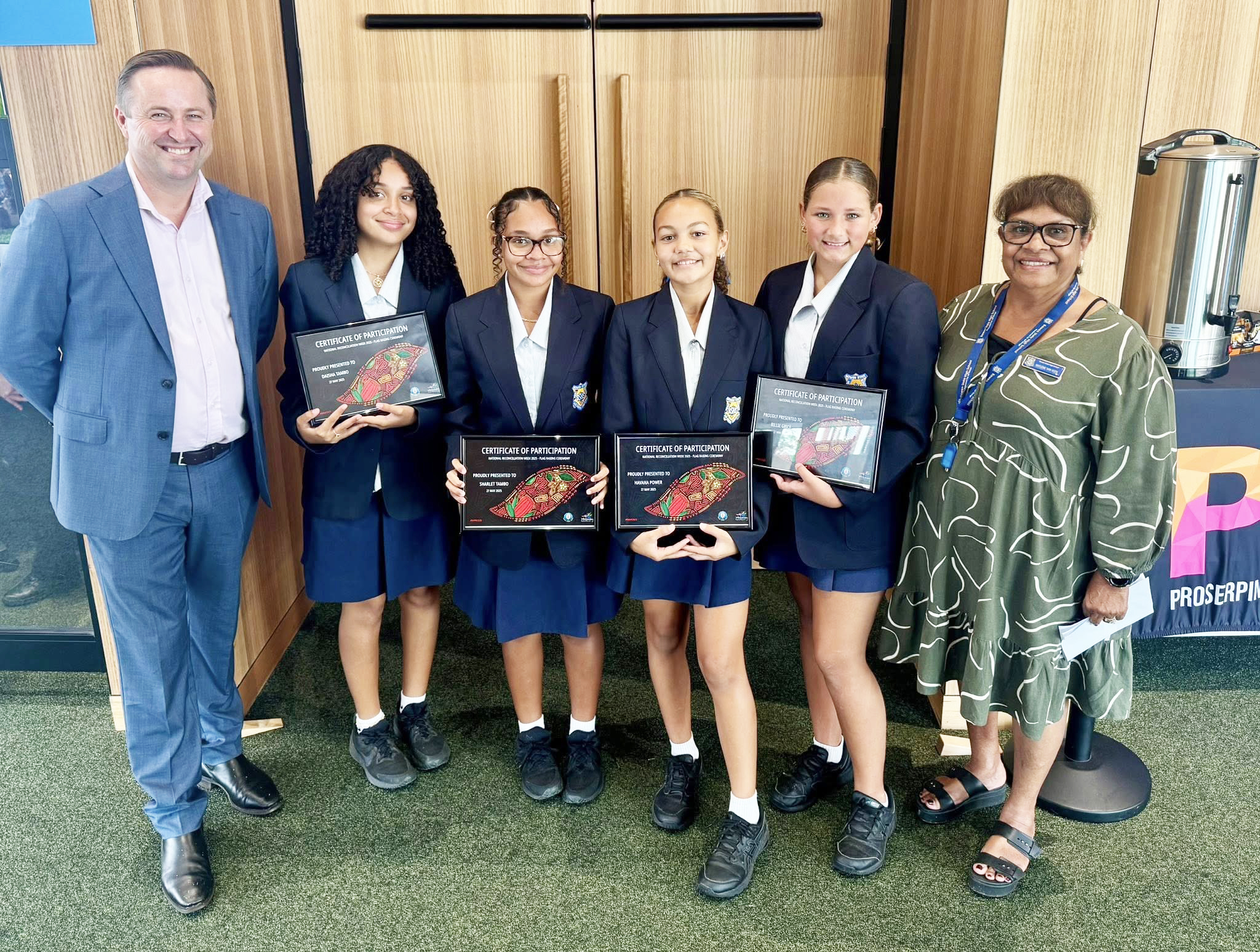
The Whitsunday Regional Council is hosting a free community event at the Proserpine Entertainment Centre on May 28 at 9.30am. Organisers have outlined a program designed to centre recognition, ceremony, and youth voices in a public setting that welcomes all community members.
- Flag raising ceremony
- Welcome to country
- Traditional smoking ceremony
- Student speakers
- Morning tea for all
The event reflects the broader purpose of National Reconciliation Week, inviting residents to participate in moments of acknowledgement and reflection. With a focus on ceremony, the program brings together cultural protocols and community conversation, and places young people in a visible role through student speakers alongside formal proceedings.
The Proserpine gathering is part of a wider commitment to marking the week locally and aligning with the national call to action.
Milestones shaping the reconciliation journey
National Reconciliation Week takes place across the country from the 27th May to 3rd June, commemorating two significant milestones. The first is the 1967 referendum that formally recognised Aboriginal and Torres Strait Islander peoples as part of the population by amending the constitution.
The second milestone is the 1992 Mabo decision. When the British arrived in Australia in the late 18th century, they ruled the land was ‘terra nullius’—meaning it belonged to no one—despite the existence of the Indigenous population that had lived on the land for at least 65,000 years. In the landmark case Mabo v Queensland (No.2), the High Court ruled that the assertion of terra nullius was false and that First Nations Australians had prior rights to the land.
Together, the referendum and the court decision anchor the week’s national reflection. They frame recognition of people and Country and highlight changes to both constitutional standing and legal understanding of land rights. By placing these milestones at the heart of the program, National Reconciliation Week emphasises the ongoing significance of constitutional inclusion and the repudiation of terra nullius in Australia’s legal history.
Theme and campaign creatives
This year’s theme is All In, which calls for Australians to commit to reconciliation every day. The theme is a reminder that reconciliation and advancing Aboriginal and Torres Strait Island peoples’ rights isn’t a passive activity and is not solely the responsibility of First Nations people but all the community.
The 2026 campaign was created in collaboration with Carbon Creative, a First Nations-owned and operated marketing and creative agency. The artwork for the national campaign was created by renowned Gumbaynggirr/Bundjalung artist Otis Hope Carey. The national creative direction and artwork are intended to unify messaging and visual identity across activities taking place during the week, and to align local events like the Proserpine program with a broader public emphasis on collective responsibility.
As the Whitsunday Regional Council brings the community together at the Proserpine Entertainment Centre, the program’s ceremonial elements and student participation echo the national call to be “all in.” Through recognition, cultural practice, and shared reflection, the local event complements the week’s focus on the 1967 referendum and the 1992 Mabo decision, while inviting ongoing engagement from the wider community.