Call for greater Indigenous control over native foods
Aboriginal leaders and researchers have issued a call for stronger Indigenous control over Australia’s native foods industry, warning that commercial companies are exploiting traditional knowledge without adequate community engagement or benefit-sharing.
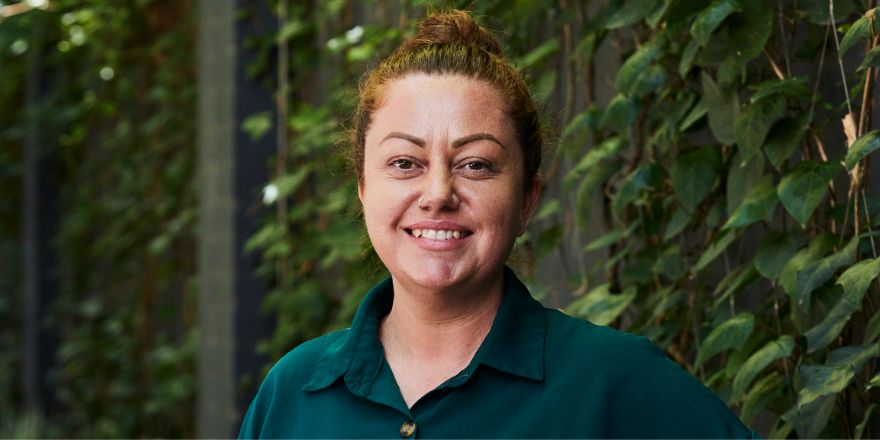
Southern Cross University senior lecturer in Indigenous traditional medicine Dr Alana Gall is among a group of Aboriginal leaders and advocates raising concerns that native food knowledge is being commercialised without proper consultation.
The group is urging government action to ensure Indigenous people can lead, manage access to, and share in the benefits arising from their traditional foods.
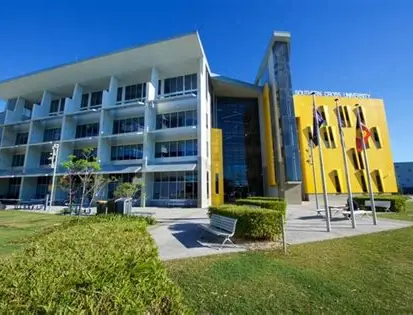
Southern Cross University.
Key Points
- Aboriginal leaders decry exploitation of native food knowledge without engagement
- Commentary in public health journal urges community-led control and access
- Southern Cross University’s Dr Alana Gall backs stronger legal protections
- Australia has signed a 2024 international law on cultural knowledge protection
- Calls to ratify protections with standalone legislation for communities
- Native foods industry pegged at $100 million dollar in Australia
- Less than one per cent of revenue estimated to reach Indigenous communities
Their position is presented as an evidence-based commentary in the Australian and New Zealand Journal of Public Health.
According to the publication, the commentary reflects the collective view of six leading Aboriginal academics and one non-Indigenous researcher with expertise spanning bush food, traditional Indigenous medicines, policy and law.
Evidence-based commentary
The new commentary consolidates concerns about the pace and nature of commercialisation across native foods and medicines.
It states that Indigenous knowledge systems underpin the value of these products and emphasises that Aboriginal and Torres Strait Islander communities must guide how knowledge is used and how benefits are distributed.
Dr Gall leads a program of research focused on Indigenous medicine at Southern Cross University and is also the outgoing vice-president of the Public Health Association of Australia. She underscored risks to cultural knowledge and the need for protections that are shaped by and for communities.

Dr Luke Williams said native foods are a $100 million dollar industry in Australia.
Lead author Dr Luke Williams focused on the traditional uses of native plants for food and medicine. He highlighted that native plants are integral to Aboriginal cultural identity and raised specific concern about growing commercialisation of Indigenous knowledge of native ingredients occurring without genuine community engagement or benefit.
Dr Williams pointed to the scale of the native foods sector in Australia, alongside questions of who gains from it. He noted that the industry already represents a significant commercial market and cited examples of well-known ingredients increasingly used in mainstream products.
“Native foods are a $100 million dollar industry in Australia,” Dr Williams told the Byron Coast Times in northern NSW.
A 2020 report examining 13 native plants — each with a long history of use in Aboriginal communities — estimated that the industry would be worth $140 million in 2025.
Authors of the report said a miniscule proportion of industry revenue is estimated to reach Aboriginal and Torres Strait Islander communities, described as less than one per cent.
Legal protections
Dr Gall said stronger legal and policy frameworks were needed to safeguard Indigenous cultural knowledge and ensure communities retain control over access to foods and medicines that are central to cultural identity and health.
She referenced international developments and called for implementation measures that work in practice for Aboriginal and Torres Strait Islanders.
Dr Gall noted that, internationally, Australia has signed up to the 2024 international law that aims to protect Indigenous cultural knowledge from appropriation and provides intellectual property guards, alongside other international instruments such as the Nagoya Protocol.
She argued that national action must translate these commitments into domestic mechanisms shaped with and for communities.
The report also called for innovative government action to help Aboriginal and Torres Strait Islanders secure better access to and control over foods and medicines that they identify as essential to their cultural identity and health.
What is at stake?
The authors linked native foods and medicines to cultural identity, health, and continuity of knowledge. They warned that ongoing commercialisation without adequate safeguards can erode trust, diminish community control, and divert economic gains away from Aboriginal and Torres Strait Islander communities.
Their argument centres on aligning policy and practice with established international norms while embedding community leadership domestically.
Dr Gall and her colleagues framed the issue as an opportunity for governments to act decisively. The commentary calls for measures that protect cultural knowledge, promote equitable revenue flows, and ensure that Aboriginal and Torres Strait Islander communities are central to decision-making about native foods and medicines derived from their knowledge systems.