University reckons with its colonial past
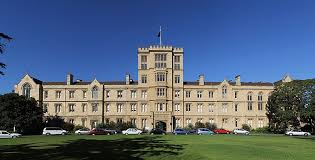
The University of Melbourne is confronting a difficult history as it moves to advance Indigenous inclusion. The institution, which produced its first Aboriginal graduate in 1959, now counts 1,400 Indigenous alumni and had 536 Indigenous students enrolled in 2023.
Despite these numbers, Indigenous students still make up only 1.27 per cent of its population, a stark contrast with the 3.8 per cent share in the wider Australian population.
The gap between aspiration and reality has pushed the university to adopt a truth-telling process. Its latest initiative, Dhoombak Goobgoowana Volumes 1 and 2, has brought to light the long shadow of colonialism within the university walls.
The project highlights episodes where Indigenous Australians were mistreated, such as culturally insensitive student events and the unethical collection of Indigenous remains by academics.
The response has been both symbolic and practical. Repatriation of remains and cultural items is underway, accompanied by exhibitions and storytelling designed to honour Indigenous voices.
Indigenous leaders including Professor Marcia Langton and artist Destiny Deacon have played a central role in shaping the work.
This reckoning is not just about acknowledging past wrongs. It is about laying a foundation for genuine change. Initiatives include scholarships and support services to boost Indigenous enrolment, greater representation of Indigenous staff in teaching and leadership, and the integration of Indigenous perspectives across disciplines.
University leaders describe the work as a continuing journey rather than a destination. They argue that facing the institution’s history honestly is a necessary part of creating an inclusive future.
For Indigenous students, the project signals a shift toward an environment that values their identity and experience. For non-Indigenous students and staff, it offers an opportunity to learn, reflect and participate in reconciliation.
The University of Melbourne’s efforts show that progress is measured not only in enrolment numbers, but in the willingness to confront uncomfortable truths and to act on them. It is a reminder that reconciliation in higher education requires honesty, humility and sustained commitment.