Truth-Telling isn’t optional — it’s the only path to justice
By TEKAN COCHRANE
Lawyer & Human Rights Advocate
2025 marks a turning point in Australia’s relationship with truth. Particularly in Victoria, truth-telling is no longer a symbolic exercise or a political talking point… it is becoming unavoidable.
For generations, Aboriginal and Torres Strait Islander peoples were expected to carry our histories quietly while the nation built legal, political, and social systems without our involvement. Our Elders’ stories were dismissed as uncomfortable, inconvenient, or divisive.
That silence has caused profound harm, and it continues to do so. Truth-telling is not about reopening wounds; it is about finally acknowledging them.
Acknowledgement a step toward justice
On December 9 I had the privilege to attend the formal apology delivered by the Premier of Victoria Jacinta Allan at the Parliament House of Victoria.
It was a powerful moment, not because an apology can undo harm, but because acknowledgement is a necessary step toward justice. Words matter when they are accompanied by responsibility and action.
I have always said that truth-telling is essential to any credible justice system. Law cannot operate honestly while the foundations of this country remain unspoken. Justice requires context, and context requires truth.
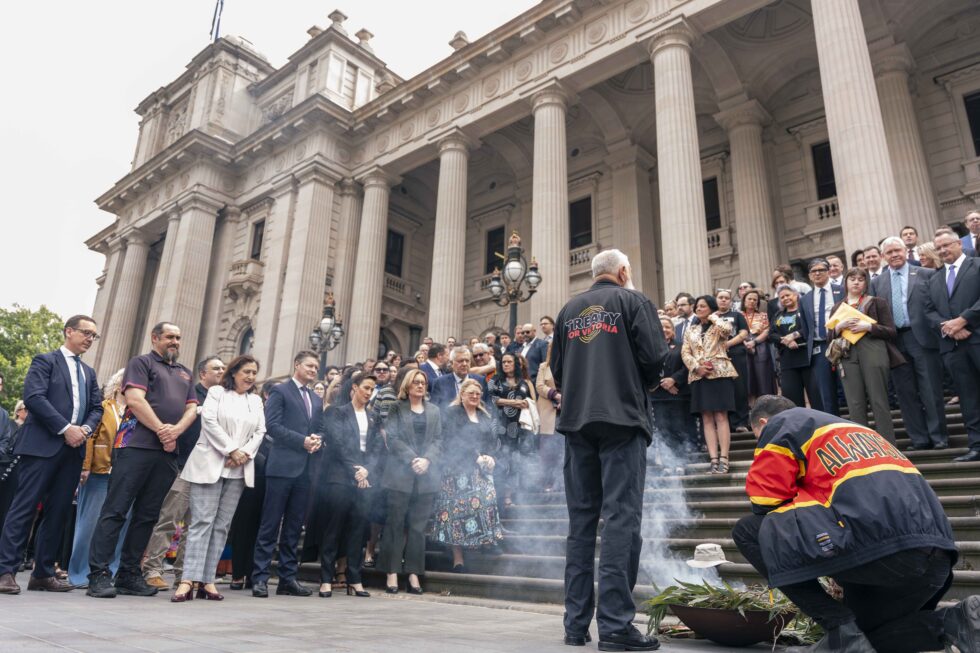
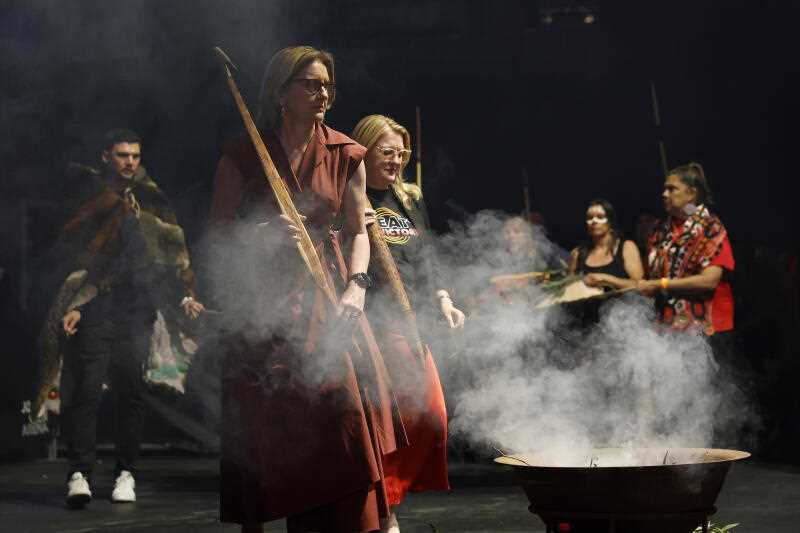
Smoking Ceremony at Parliament House of Victoria on December 9. Photo: Leroy Miller
Victoria’s approach through the Yoorrook Justice Commission and its Treaty process demonstrates what becomes possible when governments stop fearing the past.
These processes have created space for Elders, families, and communities to speak openly about dispossession, cultural survival, systemic harm, and resilience on their own terms.
The leadership of Aboriginal communities, including through the First Peoples’ Assembly of Victoria, shows that truth-telling is strongest when it is led by those whose histories were denied. This is not about blame.
Truth-telling challenges institutions
It is about understanding how we arrived here, and what responsibility flows from that knowledge.
I have witnessed the power of Elders’ stories. When people are heard without interruption or defensiveness, something shifts. Truth-telling strengthens relationships, challenges institutions, and creates the conditions for meaningful reform. It reminds us that the law does not exist in isolation from lived experience.
Importantly, Victoria’s truth-telling journey shows that this work is not only about the past, but also about the future.
Queensland, unfortunately, is on a different path. Two years have passed since its Truth-telling and Healing Inquiry abruptly ended. While the formal process did not continue, truth-telling itself did not end.
There is hope for government support
Communities stepped in where institutions stepped back. Elders recorded oral histories, families shared stories once spoken only in private, and yarning circles, research, writing, and teaching continued across the State.
This is resilience. It shows that truth-telling does not belong solely to governments. At the same time, there is hope that government support will shift in a more positive and sustained direction, so this work is not carried by communities alone.
I have seen that when non-Indigenous people hear the lived experiences of Aboriginal and Torres Strait Islander peoples, it builds empathy and understanding.
Truth-telling is not only about injustice; it is also about the endurance of the world’s oldest living cultures. It allows us to celebrate survival, knowledge, and cultural strength alongside grief and loss.
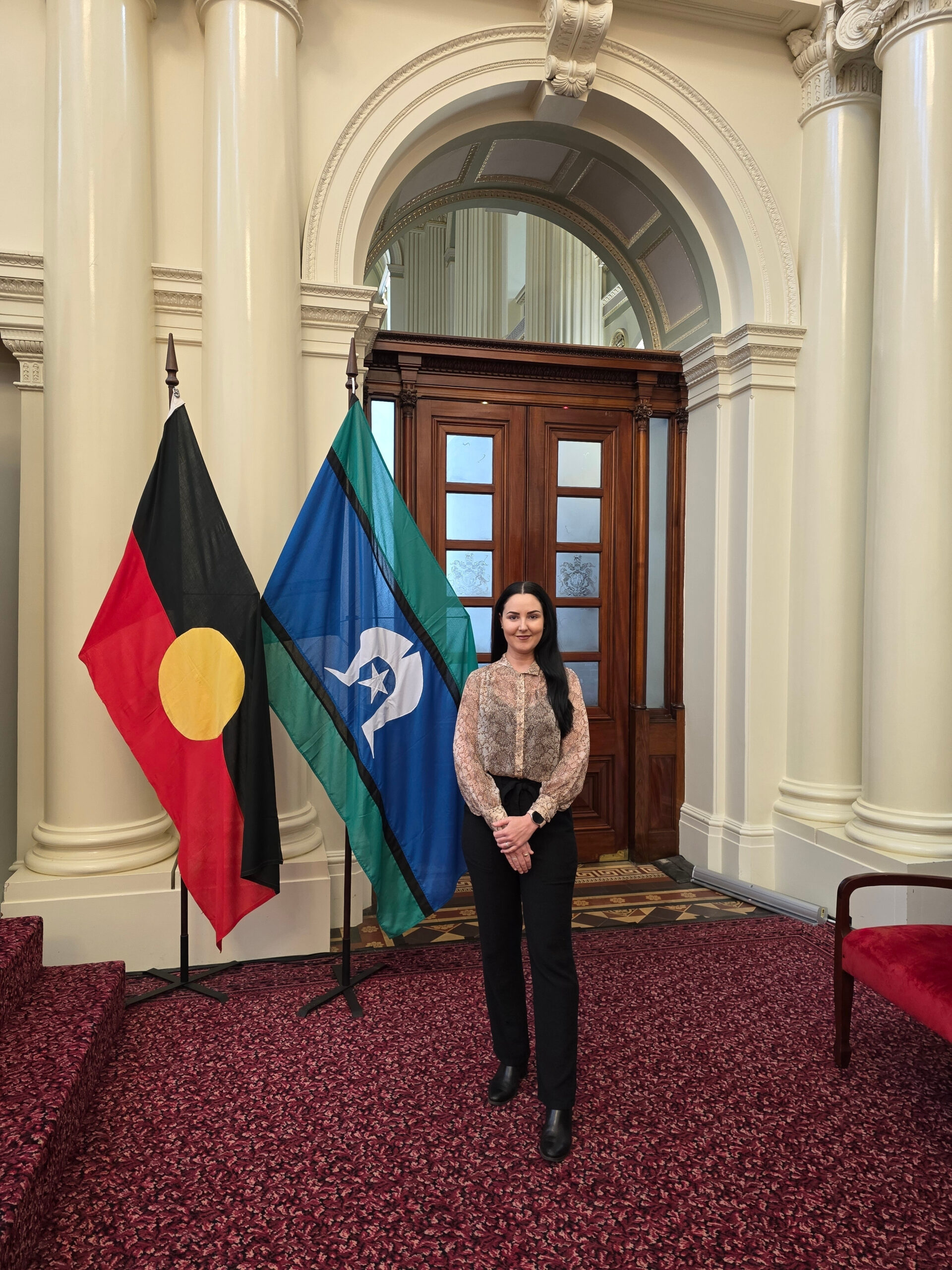
Tekan Cochrane at the Parliament House of Victoria.
Australia now faces a choice. We can continue to resist truth-telling in the name of comfort and political convenience, or we can embrace it with courage. A nation grounded in honesty is not weaker, it is stronger.
What gives me hope is the growing willingness of everyday people to engage, listen, and learn. Victoria has shown what is possible. My hope is that all states and territories will follow this path, embedding truth-telling as a foundation for justice, healing, and a brighter future.
- Tekan Cochrane is a proud Kooma and Yuwaalaraay woman, lawyer, human rights and advocate. She works across policy, justice reform, and cultural safety, and has contributed to national conversations on Indigenous rights, legal system reform, and community-led justice. Tekan is passionate about strengthening the First Nations legal profession and empowering the next generation of Aboriginal and Torres Strait Islander lawyers and leaders.