Tk’emlúps te Secwépemc chief calls for B.C. MLA Dallas Brodie to resign
Tk’emlúps te Secwépemc kúkpi7 Rosanne Casimir urges B.C. MLA Dallas Brodie to resign over residential school denialism and anti-Indigenous rhetoric.
Key Points
- Tk’emlúps te Secwépemc chief urges resignation of B.C. MLA Dallas Brodie
- Casimir cites residential school denialism and anti-Indigenous rhetoric
- About 200 potential burial sites identified near Kamloops in 2021
- Brodie claims zero unmarked graves; investigation remains ongoing
- Assembly of First Nations adopts resolution seeking Brodie’s resignation
- Brodie proposes ending National Day for Truth and Reconciliation holiday
- Petition in Vancouver-Quilchena calling for resignation reaches 1,772 signatures
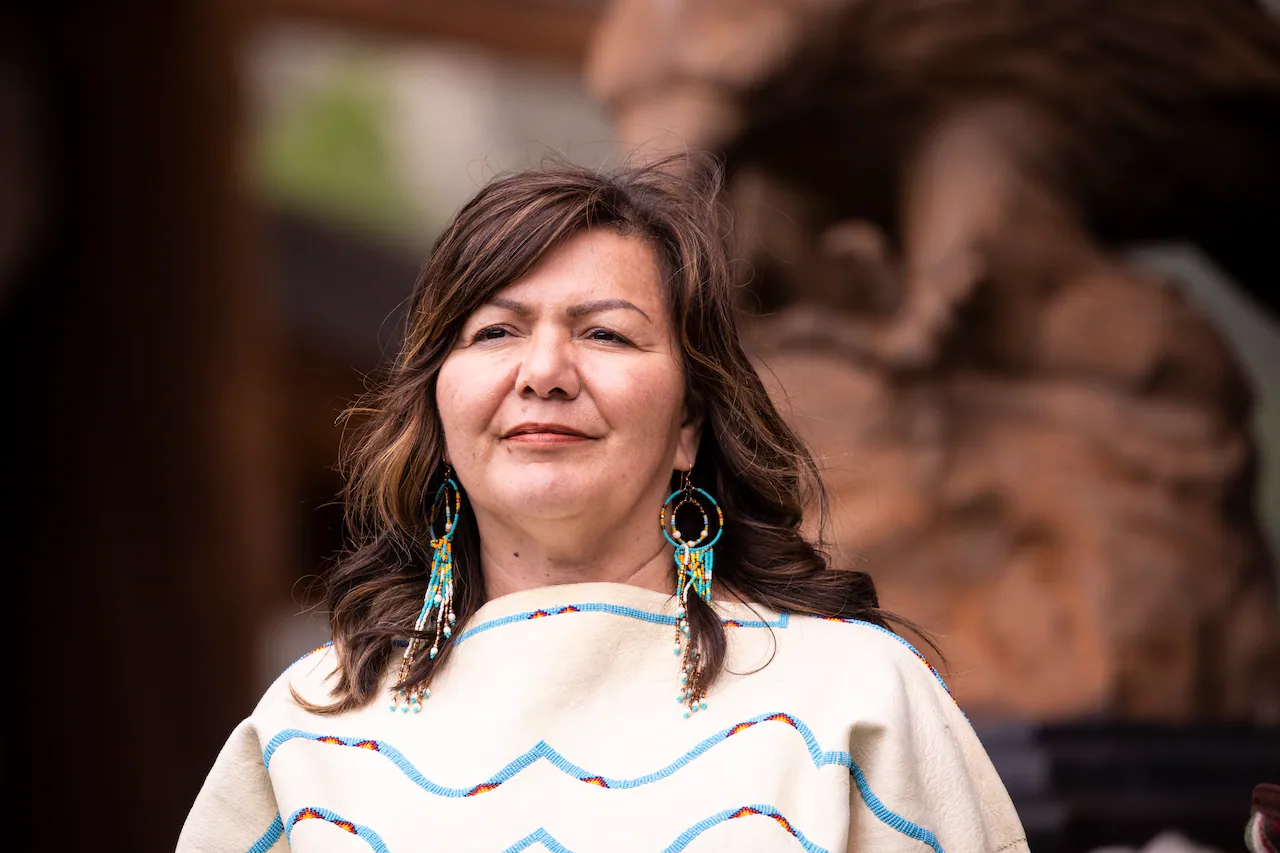
Tk’emlúps te Secwépemc kúkpi7 (chief) Rosanne Casimir has called for B.C. MLA Dallas Brodie to resign, accusing her of anti-Indigenous rhetoric and residential school denialism in and outside the legislature. The demand intensifies a months-long dispute over public statements, political conduct and accountability in British Columbia.
Background and stakeholders

Rosanne Casimir, kúkpi7 (chief) of Tk’emlúps te Secwépemc, said in a statement on Wednesday that MLA Dallas Brodie’s behaviour undercuts the standards of respect and integrity expected of a public office holder. In an interview with CBC Radio’s Daybreak Kamloops on Thursday, Casimir said Brodie’s approach undermines public trust and reconciliation and raises concerns for the safety of Indigenous peoples. Casimir framed the call as a necessary step to uphold accountability and maintain respectful public discourse. “It is a call for accountability,” she said.
Brodie, who was elected last year to represent Vancouver-Quilchena, has been a prominent figure in recent debates on Indigenous issues in B.C. She was removed from the Conservative caucus in March after she mocked residential school survivor testimonies on a podcast. Since then, her public comments on Indigenous rights and residential schools have drawn sustained criticism from First Nations leaders and community advocates, culminating in direct calls for her resignation from multiple Indigenous organisations.
What is being contested
At the centre of the dispute is the allegation of residential school denialism. Residential school denialism downplays, excuses or misrepresents facts about the harms caused by residential schools. Casimir said survivor testimony, residential school records and ground penetrating radar have all been used to determine potential unmarked graves near the former Kamloops Indian Residential School. In 2021, approximately 200 potential burial sites were identified using ground-penetrating radar.
According to Casimir, the investigation into unmarked graves at the former Kamloops Indian Residential School remains ongoing. She said “much work has been done” and added that information will be shared when the work is closer to completion. The National Centre for Truth and Reconciliation has documented more than 4,100 children who died at residential schools across the country.
Brodie has been outspoken on social media claiming that there are zero unmarked graves of students at the Kamloops site. Casimir rejected those claims, stating that survivor accounts, historical records and investigations form part of the evidentiary picture. “Truth isn’t selective,” she said, adding that while good faith questions are welcome, rhetoric that erases history undermines the process and ignores available evidence.
Legislature remarks and legal context
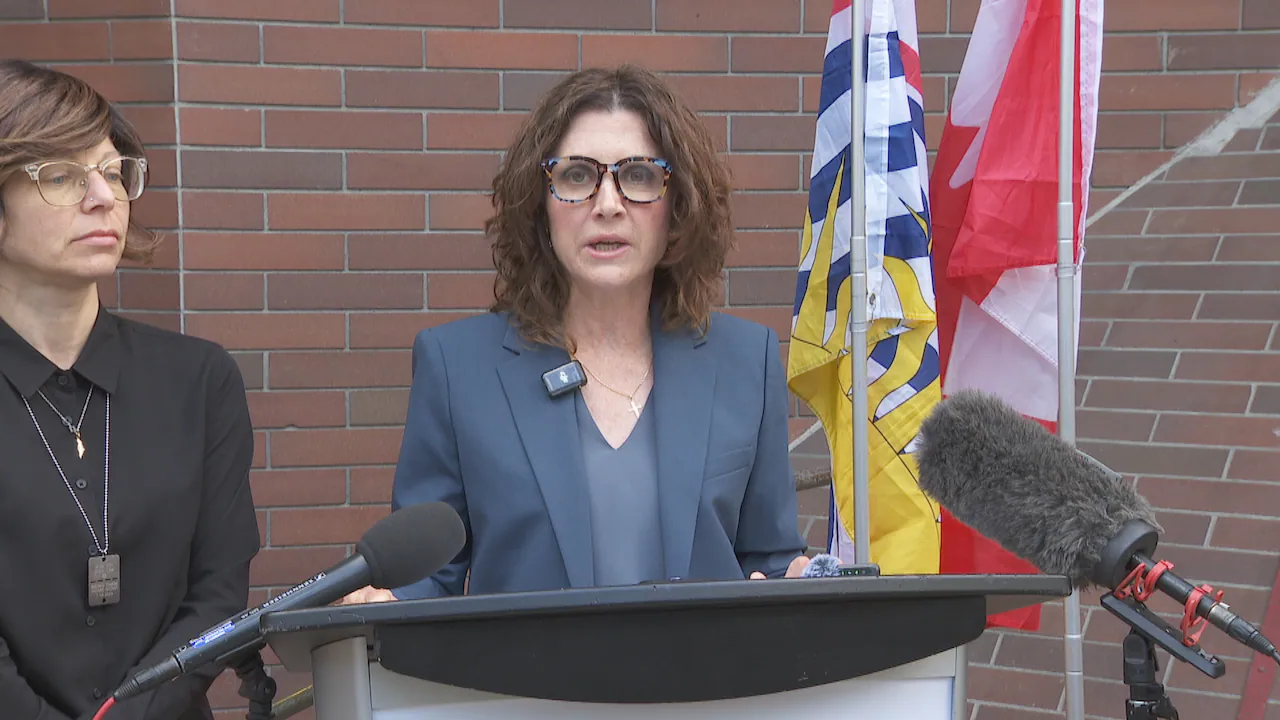
The dispute escalated in the legislature on Monday when Brodie characterised a 10-year long Aboriginal rights and title lawsuit by Tk’emlúps te Secwépemc as a “land grab that threatens the private homes of 100,000 private residences.” She said, “I condemn this band’s outrageous and opportunistic claim and I pledge my full support to the innocent and hard working people of Kamloops.” Her comments prompted further condemnation from Indigenous leaders and intensified calls for accountability.
Casimir’s position is supported by a recently adopted resolution from the B.C. Assembly of First Nations. At its annual general meeting last month, the assembly endorsed a resolution from Casimir calling for Brodie’s resignation. The resolution alleges Brodie has broken the B.C. Legislature’s Respectful Workplace Guidelines and 2024–2028 Reconciliation Action Plan by actively promoting residential school denialism, inside and outside the legislature, using public funds. In a Nov. 3 statement, the First Nations Leadership Council also called for Brodie to resign for her “reprehensible words and actions” that harm residential school survivors.
Political responses and Brodie’s position
When asked by a reporter outside the legislature on Wednesday for her response to Casimir’s call for her resignation, Brodie replied, “I think she should resign.” Brodie said the pressure on her to resign is due to her raising what she described as some of B.C.’s biggest issues—issues she said other politicians avoid because they do not like being called names. She added that she is standing for what she called the truth and argued that calls for her resignation are politically motivated.
On Thursday, Brodie proposed a bill in the Legislature to remove the National Day for Truth and Reconciliation as a holiday in British Columbia. Brodie did not respond to interview requests from CBC Indigenous regarding her recent statements or the proposed legislation. The move came amid growing criticism and added to concerns among Indigenous leaders about the tone and substance of the debate on reconciliation.
Spencer Chandra Herbert, B.C.’s minister of Indigenous relations and reconciliation, said in a statement on Thursday that Brodie is promoting division at a time when British Columbians should be coming together. He said opposition MLAs appear to be competing to introduce the most divisive and rage-baiting motions or statements targeting First Nations, and argued that respecting Indigenous rights strengthens the economy, builds trust and supports sustainable growth for future generations.
Evidence and ongoing investigations at Kamloops
Casimir emphasised that the investigation into potential unmarked graves at the former Kamloops Indian Residential School is still in progress. She noted that survivor testimony, residential school records and ground penetrating radar have been used to determine potential unmarked graves, reinforcing the multi-source approach taken by the community and researchers. The announcement in 2021 of approximately 200 potential burial sites identified using ground-penetrating radar drew national attention and prompted further work on documentation and analysis.
Casimir said information will be shared when the work is closer to completion, underscoring the need for careful, thorough investigation. She reiterated that denialism ignores evidence and diminishes the lived experiences of survivors and their families, and she welcomed questions raised in good faith while rejecting rhetoric that erases history. The wider context, she said, includes the National Centre for Truth and Reconciliation’s record of more than 4,100 children who died at residential schools across the country.
Wider community and institutional reactions
Beyond the legislature, community responses have continued to mount. In March, a petition by “concerned residents of Vancouver-Quilchena” called for Brodie’s resignation; the petition now has 1,772 signatures. The petition reflects a local response within Brodie’s own electoral district, and sits alongside formal calls from Indigenous organisations pressing for consequences in relation to her public statements.
The B.C. Assembly of First Nations’ resolution, originating from Casimir, asserted that Brodie’s actions conflict with the B.C. Legislature’s Respectful Workplace Guidelines and the 2024–2028 Reconciliation Action Plan. The First Nations Leadership Council later issued a Nov. 3 statement urging Brodie to step down, describing her remarks and actions as harmful to residential school survivors. These steps add to political and social pressure around how elected officials address Indigenous rights, reconciliation and historical truth.
Brodie’s caucus status and public communications
Brodie’s recent legislative activity and public messaging follow her removal from the Conservative caucus in March after she mocked residential school survivor testimonies on a podcast. Her independent profile has since grown through frequent social media commentary and statements in the legislature. She has maintained her position that she is confronting major issues and has rejected calls to resign. In her exchange outside the legislature, she countered calls for her resignation by calling for her critics to resign as well.
In parallel with her commentary on the Kamloops investigation and the Tk’emlúps te Secwépemc lawsuit, Brodie’s proposed bill to remove the National Day for Truth and Reconciliation as a provincial holiday in British Columbia added another point of contention. The move drew further criticism from the provincial government, with Chandra Herbert arguing that the province should be working to build trust and unity rather than deepen divisions.
Accountability mechanisms and next steps
The calls for resignation from Indigenous leaders, the resolution adopted by the B.C. Assembly of First Nations, and the petition from residents highlight the range of accountability mechanisms available outside formal legislative processes. In B.C., MLAs can be recalled from office between elections by petition, if a registered voter within the MLA’s electoral district collects signatures from 40 per cent of other registered voters in the district. While the current petition has not invoked the formal recall mechanism, it reflects growing local concern and a measure of public sentiment regarding Brodie’s statements and actions.
For Tk’emlúps te Secwépemc, Casimir said the community’s work on the Kamloops investigation continues. She reiterated that the effort is deliberate and evidence-led, and that findings will be shared when appropriate. Her message underscored a broader expectation that political leaders approach the subject with care, respect and a commitment to truth, given the documented harms of the residential school system and the lived experiences of survivors and their families.
Statements, counter-statements and the path ahead
Casimir’s critique focused on what she described as rhetoric that undermines public trust and reconciliation, and threatens the safety of Indigenous peoples. She argued that denialism minimises evidence drawn from survivor testimony, historical records and ongoing investigations. In response, Brodie maintained she is raising uncomfortable issues and refused to step down. The exchange has continued to galvanise Indigenous leaders, with coordinated calls from the B.C. Assembly of First Nations and the First Nations Leadership Council for Brodie to resign.
Within government, Chandra Herbert’s statement positioned the province’s priorities around respect for Indigenous rights as a matter of good policy and long-term stability. He warned against divisive tactics targeting First Nations and argued that respecting rights is essential for sustainable growth and trust. The ensuing debate—spanning historical truth, legal claims, public safety and political standards—remains active both inside the legislature and in the broader community.
Core issues at stake
As the controversy persists, several points remain central. First, the definition of residential school denialism—downplaying, excusing or misrepresenting the harms of residential schools—has become a touchstone for assessing public statements and political conduct. Second, the Kamloops investigation continues with survivor testimony, residential school records and ground-penetrating radar as key tools, and the 2021 identification of approximately 200 potential burial sites has framed the scope of ongoing work. Third, Brodie’s statements in the legislature about the Tk’emlúps te Secwépemc lawsuit and her subsequent bill on the National Day for Truth and Reconciliation have amplified scrutiny of her approach.
Finally, mechanisms for accountability, whether through political resolutions, public petitions, or, in some circumstances, recall, are part of the democratic landscape in B.C. As Casimir, Indigenous organisations and provincial officials stake out their positions, the coming period will likely be defined by continued public discussion and the outcomes of both the Kamloops investigation and any legislative or community-led actions that follow.
Source: CBC News (https://www.cbc.ca/news/indigenous/dallas-brodie-kamloops-call-9.6985269?cmp=rss), used for discovery. Facts verified, wording original.