Standing together for equity in emergency care
The Australian Indigenous Doctors’ Association (AIDA), the Australasian College for Emergency Medicine (ACEM) and the Royal Australasian College of Physicians (RACP) have united to make a stand for equity in healthcare.
Recent divisive and racist comments opposing health strategies, particularly from doctors in positions of authority, have been described as ‘opportunistic, uninformed and deeply concerning’.
“Such inflammatory rhetoric deliberately undermines efforts to create a culturally safe healthcare system and perpetuates the systemic racism that continues to harm Aboriginal and Torres Strait Islander peoples,” the associations said in a statement.
“We support St Vincent’s Hospital Melbourne Chief Executive Nicole Tweddle’s statement reaffirming the hospital’s commitment to prioritising triage for all First Nations patients presenting to the Emergency Department (ED).”
St Vincent’s Hospital’s health strategy has successfully reduced the wait time gap between Indigenous and non-Indigenous patients, with no adverse impact on the treatment of patients with serious or life-threatening conditions.
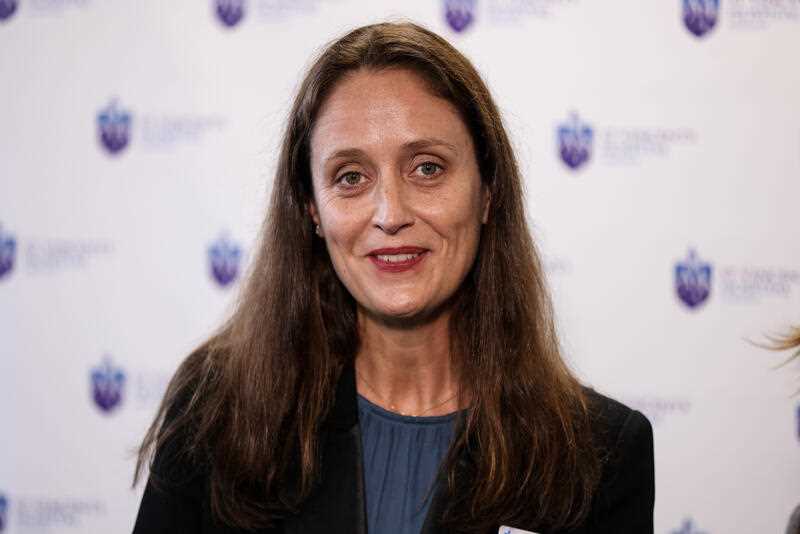
St Vincent’s Hospital Melbourne Chief Executive Nicole Tweddle’s statement reaffirming the hospital’s commitment to prioritising triage for all First Nations patients.
Dr Olivia O’Donoghue, AIDA Acting President, echoed the response from St Vincent’s Hospital, reiterating that the policy is not about preferential treatment, it is about creating equity.
“This policy is Closing the Gap in action and is a response to the well-documented disparities in health outcomes and access to timely care experienced by First Nations peoples,” O’Donoghue said.
“Any attitude to the contrary undermines the work being done to create a culturally safe hospital system that ensures Aboriginal and Torres Strait Islander people receive equitable access to excellent and safe healthcare.”
Emergency Specialist Dr Glenn Harrison, who is a proud Wotjobaluk man and ACEM Fellow, said the policy was about fairness, not favouritism.
“As Co-Chair of ACEM’s Indigenous Health Committee and former AIDA Board Director, I know how critical it is to address the systemic inequities that Aboriginal and Torres Strait Islander peoples face in emergency care,” he said.
“The triage initiative is a practical, evidence-based measure that helps close the gap in access without disadvantaging anyone else. It’s a step toward a more just, equitable and culturally safe health system.”
Australasian College for Emergency Medicine (ACEM) President Dr Stephen Gourley said it was clear that current approaches haven’t delivered the changes needed.
“We must do more,” he said. This is about equity and improving outcomes, not disadvantaging anyone else. This innovation is exactly the kind of progress we should be celebrating.”