Social media checks could discriminate against Indigenous teens
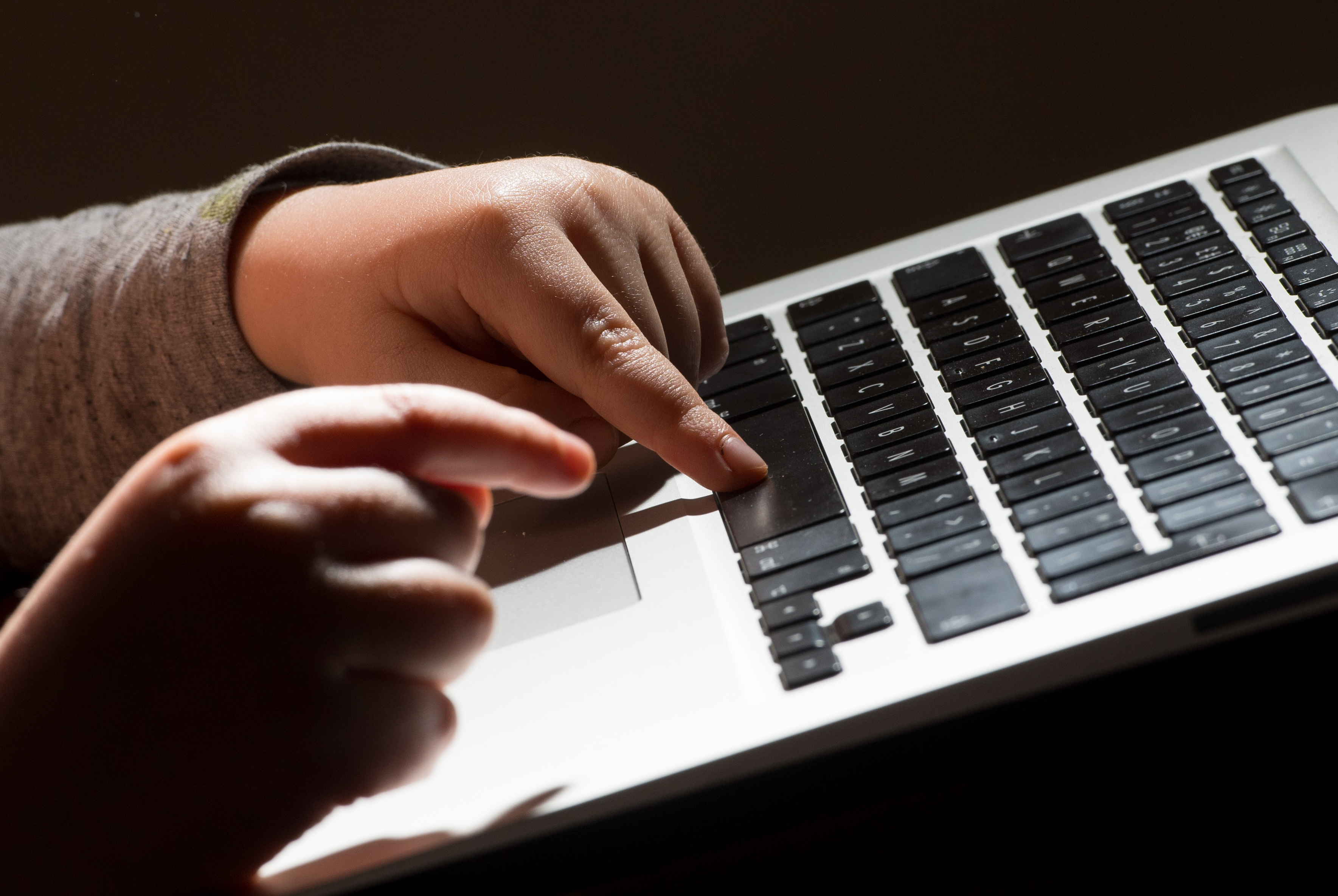
Analysis of an age assurance technology trial, part of the federal government’s under-16 social media ban, has shown it could disadvantage Indigenous Australians.
The Guardian newspaper carried out the checks on the age verification system and the face scanning used as part of the process showed that it could not accurately confirm ages for Fortsg Nations people.
The failure to do so means young Indigenous people could be disadvantaged and discriminated against.
The data also showed that age-verification software, which scans documents like as a driver’s licence, was also unreliable for Indigenous people.
Poor verification return
The trial analysed skin tone and the results showed the system had a higher error rate on average for people with darker skin.
Although overall, the system was reported to have returned a verification accuracy of 97 per cent, in Aboriginal tests this was only 50 per cent accurate.
The Department of Infrastructure, Transport, Regional Development, Communications, Sport and the Arts, who ran the trial along with UK-based Age Check Certification Scheme, said the Social Media Minimum Age legislation prohibits platforms from compelling Australians to use government ID to prove their age online.
Adversely affected
“As outlined in the guidance, providers should mitigate the impact of accessibility or bias issues in the age assurance methods they use and build processes to support those who may be adversely affected,” they said.
“This includes ensuring that systems are inclusive of the diverse needs of communities across Australia, such as Aboriginal and Torres Strait Islander peoples, culturally and linguistically diverse communities, and those with limited access to digital infrastructure or identity documentation.”
From December, platforms including TikTok, Instagram and Snapchat will be required to block under-16s, deactivate existing accounts, and prevent re-registration.