Six-day review of BHP deal draws sharp criticism
Indigenous and environmental groups have condemned a six-working-day review of legislation formalising BHP’s Olympic Dam Indenture in South Australia.
The government has argued opponents aim to “thwart this investment” and said the process was standard parliamentary practice, citing cross-party backing and investment certainty, while the Kokatha Aboriginal Corporation has raises serious concerns about rights, consent and country.
Key Points
- South Australian government set a six-working-day submission window
- Bill formalises an Indenture governing Olympic Dam for 50 years
- Environmentalists and Indigenous groups criticised the compressed review process
- Kokatha Aboriginal Corporation raised serious concerns about land and consent
- Select Committee heard from agencies and industry, not all attended
- Government says amendments modernise rules and give investment certainty
- BHP forecasts up to $25 billion capital expenditure over ten years
Legislative overhaul for Olympic Dam
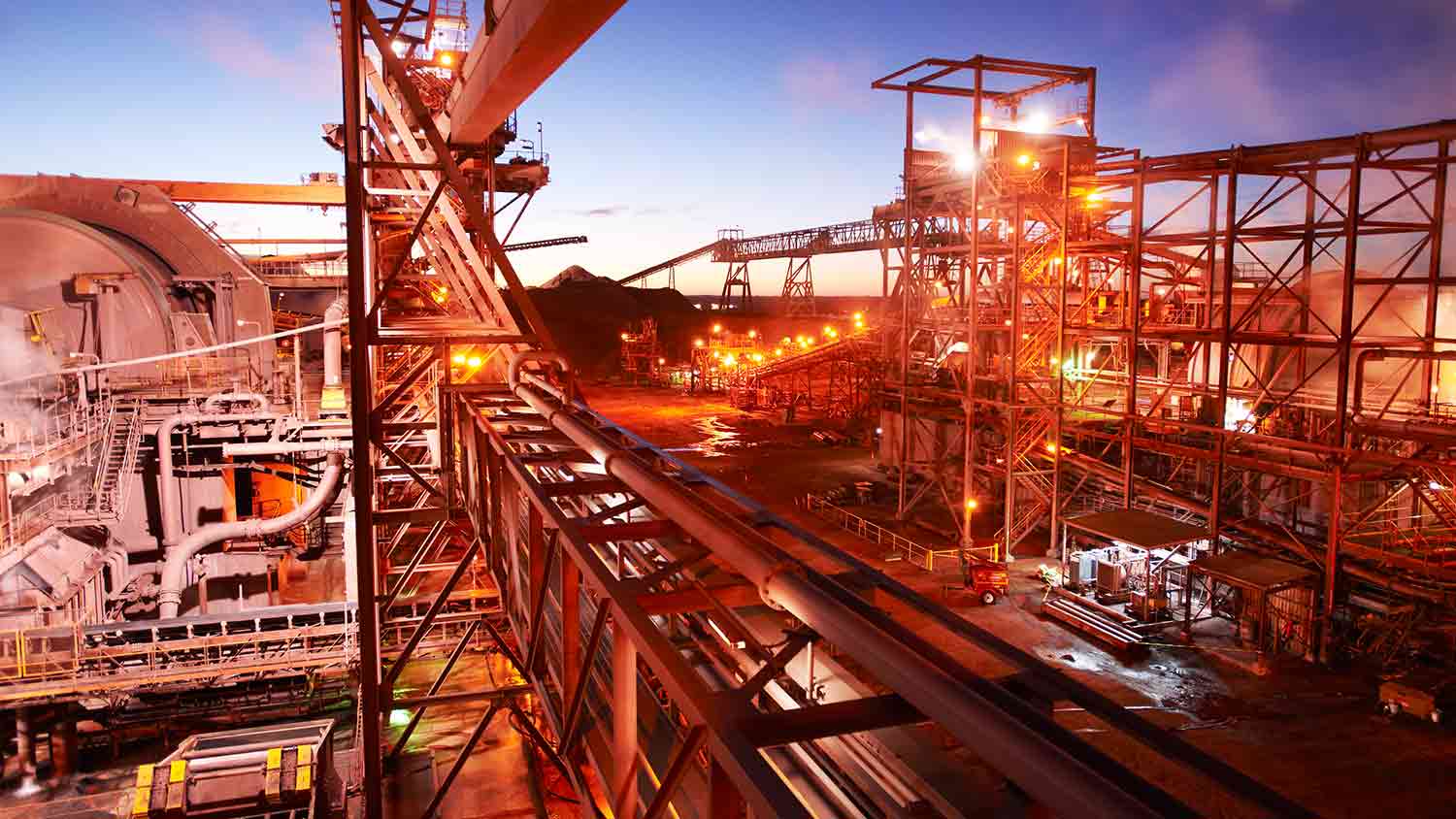
This week, Parliament is set to pass a law formalising an Indenture with BHP that will govern Olympic Dam and associated mining expansions for the next half-century. The government signed the agreement with BHP last month, describing it as a landmark deal expected to modernise the 40-year-old bilateral framework guiding Olympic Dam.
Premier Peter Malinauskas said at the time that the Indenture would enable better integration of existing copper production and set a clearer pathway for negotiations on further expansions.
According to the government, the proposed changes include commitments covering:
- transitioning to the current Aboriginal Heritage Act
- water extraction
- maximising local jobs and business opportunities
- financial assurances
- royalties
BHP is the largest producer of copper globally and currently employs around 8,000 South Australians. After the announcement by Malinauskas, a Select Committee was established and a six-working-day public consultation period was set to scrutinise the bill updating the state’s legislative relationship with BHP.
Indigenous rights concerns
Submissions raised questions about the impact on the local Indigenous population, the Kokatha people, and their rights, including how the renewed legislative framework intersects with culture and country. The Kokatha Aboriginal Corporation stated that the original Indenture Act is seen as having facilitated damage to their lands and displacement from country without their consent.
“The original Indenture Act is viewed by the Kokatha People as the authorisation of destruction of our land and a mechanism [to] drive our people off country without the involvement or consent of Kokatha People,” the Kokatha Aboriginal Corporation said in a statement.
Compressed consultation sparks backlash
The Select Committee called witnesses to present evidence, including from the Department of Energy and Mining, BHP, the Department of Energy and Water, the Conservation Council of South Australia and the South Australian Chamber of Mines and Energy. The Conservation Council opted not to attend the evidence hearing.
Environmental organisations criticised the short timeframe. In a written submission, Friends of the Earth Adelaide called the window “ridiculously short” and argued that the process was rushed and inadequate for legislation intended to last 50 years. The submission noted that the consultation ran from 22 May to 1 June 2026, and questioned how the committee could fairly consider submissions when its report date was set for 2 June.
Environmental campaigner David Noonan also criticised the handling of the bill, describing the process as a farce. He said the committee’s report was tabled and members gave uncritical speeches on 2nd of June, the morning after public input closed. He argued that this contradicted claims of due process and fairness, and said Aboriginal Native title representative bodies and individuals seeking to be heard had so far been denied that opportunity.
Government response
In response to criticisms, Energy and Mining Minister Tom Koutsantonis told InDaily that the Indenture was unanimously approved by a cross-party committee, including representatives from the Liberal Party and One Nation.
He said the proposed amendments modernise the regulatory framework and provide investment certainty to expand copper mining and production at Olympic Dam. BHP has forecast capital expenditure up to $25 billion in South Australia over the next 10 years, the majority to significantly increase copper production at the Olympic Dam minesite, he said.
Mr Koutsantonis said the Indenture legislation is separate from any future assessment processes that would be required by the state government. If or when BHP advances a proposal following passage of the amended Indenture, those assessment processes would include stakeholder consultation, he said. He also referred to the Commonwealth Native Title Act and the 2014 determination recognising the Kokatha People as native title holders, stating that the Indenture does not change that determination.