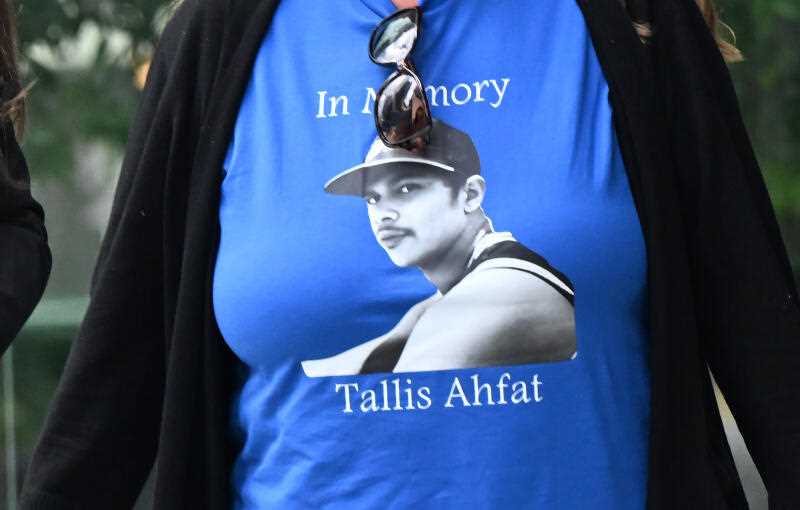
Search delay for missing Indigenous man, coroner hears
By REX MARTINICH
The search for a missing Indigenous man faced a delayed start and premature end due to police making errors and following a false lead, a coroner has heard.
Tallis Gordon Ahfat last saw his family members at Mount Isa, in Queensland’s remote northwest, at 4am on December 16, 2022.
Police were unable to find the 22-year-old despite a series of major searches involving helicopters, drones and divers, counsel assisting Sarah Ford previously told coroner Melinda Zerner.
The inquest into Mr Ahfat’s disappearance resumed hearings in Brisbane on Thursday.
Ms Zerner heard expert evidence from former Queensland police search and rescue co-ordinator and training officer James Whitehead.
Limited access to volunteers
The shift supervising officer did not fully complete the paperwork when Mr Ahfat’s family reported him missing, potentially closing off the option to start an immediate emergency search of his last known whereabouts.
“If they had started earlier, it would have given Tallis a greater chance of being found but I think the opportunity for finding him alive had already evaporated by the time he was reported missing,” Dr Whitehead said.
The supervising officer might not have been aware that they needed to complete a search urgency form after Mr Ahfat was reported as a high-risk missing person on December 19, Ms Zerner heard.
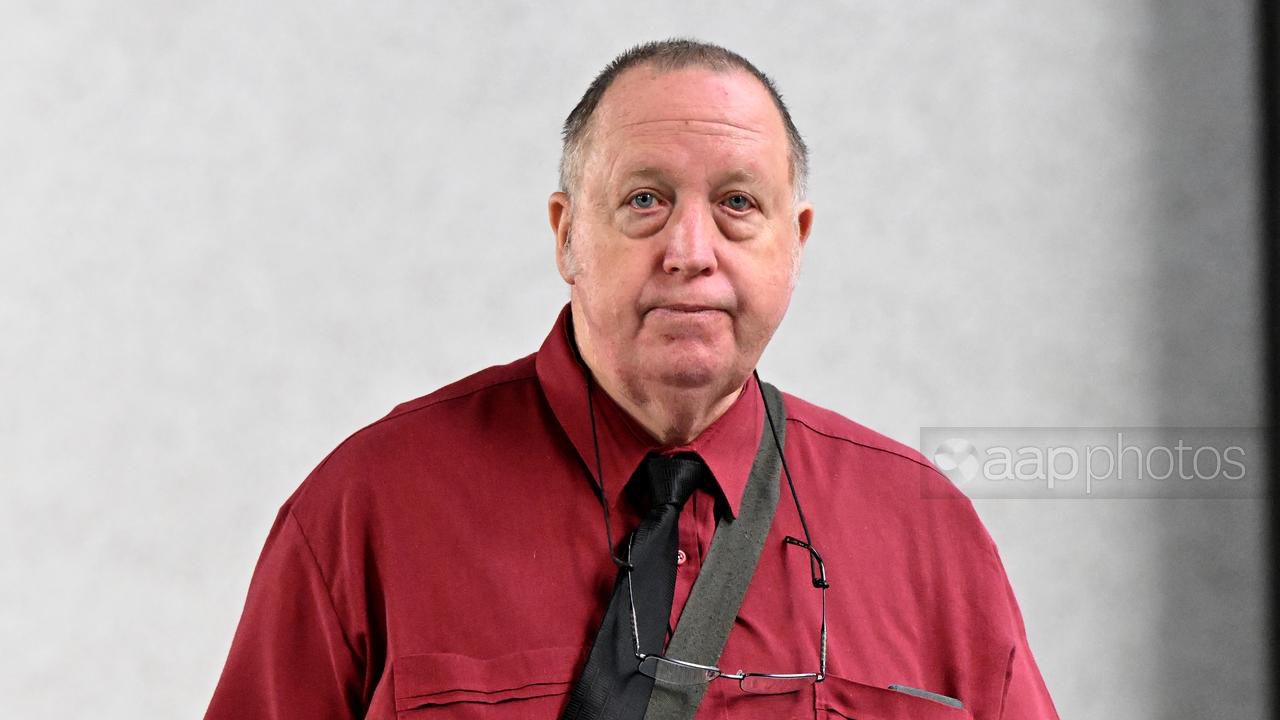
James Whitehead believes there was no chance of finding Tallis Ahfat alive when reported missing. (Darren England/AAP PHOTOS)
“Mount Isa has a very high turnover of staff; a supervisor might not have any training in a supervisory role,” Dr Whitehead said.
“It may be an acting senior constable just thrown in the job, ticking the boxes … It’s very hard to fill these remote places with people who want to be there.”
The search that did start on December 23 was thorough given the limited access to volunteers and the investigators made the right decision to search within a radius with an 80 per cent chance of finding the average missing person, Dr Whitehead testified.
However, the search should not have stopped on December 25 in response to a false sighting of Mr Ahfat and did not resume as key reports were not completed.
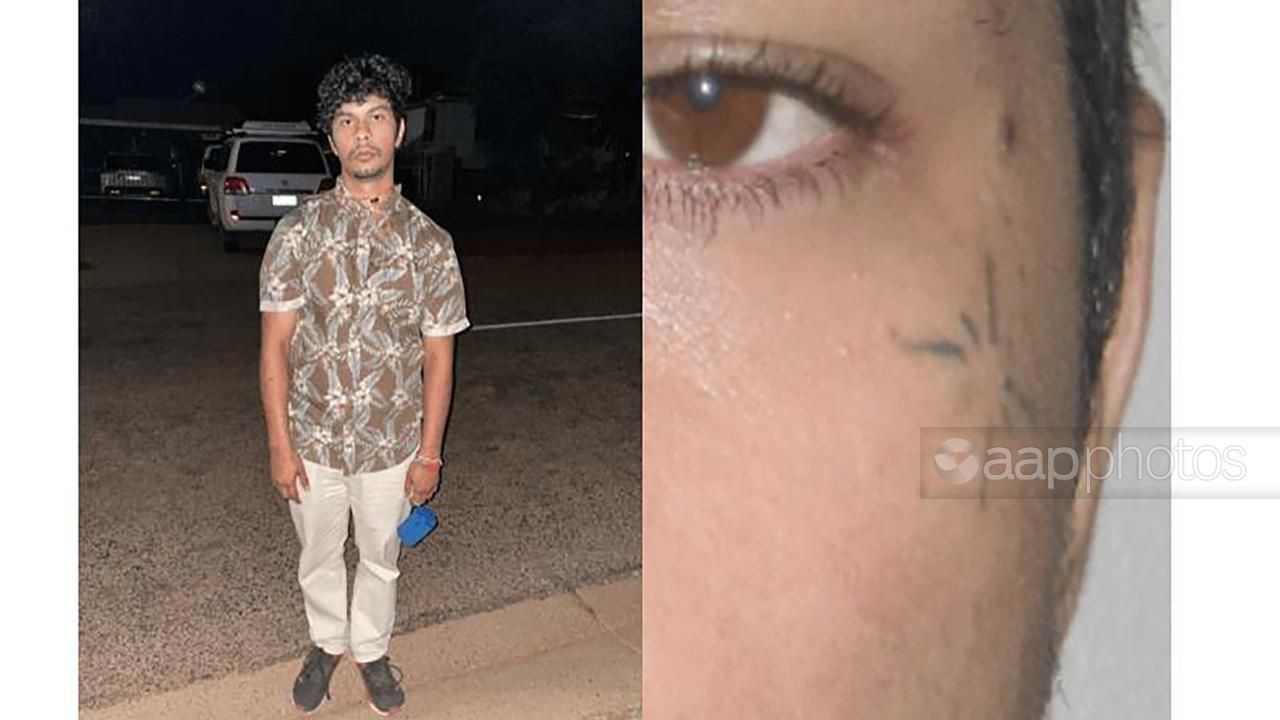
Tallis Ahfat had been diagnosed with paranoid schizophrenia in the years before he vanished.
“Searching should have continued and ultimately that may have altered that outcome here?” Ms Ford said.
“Yes,” Dr Whitehead replied.
Queensland Police had the best search and rescue capability in Australia, Dr Whitehead testified.
A medical adviser to police search and rescue teams found Mr Ahfat most probably died by suicide on December 16, 2022.
“Tallis’s family have different views as to what may have happened,” Ms Ford previously said.
Mr Ahfat’s family members were in court to watch the inquest.
The coroner will also consider evidence that Mr Ahfat met with foul play.
The young man had been diagnosed with paranoid schizophrenia in the years before his disappearance, but he had been stable and taking medication.
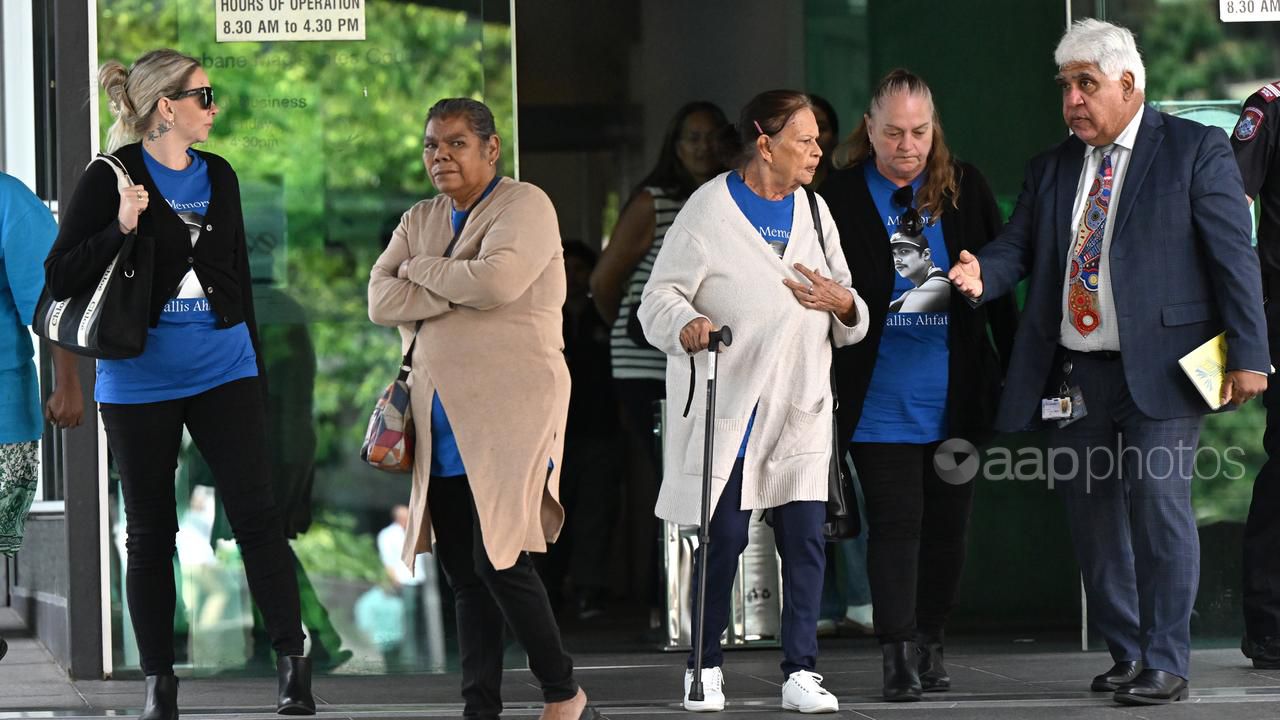
Tallis Ahfat’s family members were in court to watch the inquest. (Darren England/AAP PHOTOS)
However, in the weeks before his disappearance his mental health deteriorated from the stress of multiple personal tragedies and he had started taking methamphetamine again.
Mr Ahfat told a close relative he intended to kill himself, was hearing voices and wanted to “go out bush to clear my head”.
The inquest is due to resume on June 15 in Brisbane.
13YARN 13 92 76
Lifeline 13 11 14
beyondblue 1300 22 4636
aap

- ACT
- AFL / AFLW
- Arts
- Athletics and Olympics
- Business
- Conditions and Research
- Culture
- Elections
- Employment and Careers
- Enterprise and Startups
- Entertainment
- Events and NAIDOC
- Fashion
- Film and TV
- Food
- Government and Policy
- Grants and Funding
- Health
- Healthcare and Services
- Heritage and History
- International
- Language
- Legal and Justice
- Lifestyle
- Mental Health and Wellbeing
- Music
- National
- News
- NRL and Rugby League
- NSW
- NT
- Olympics
- Opinion
- Other Sports
- People and Profiles
- Podcast
- Politics
- Property and Land
- QLD
- SA
- Sports
- TAS
- Technology
- Travel
- Treaty and Truth-telling
- VIC
- Voice and Referendum
- WA