Revival of Indigenous languages doubles in five years
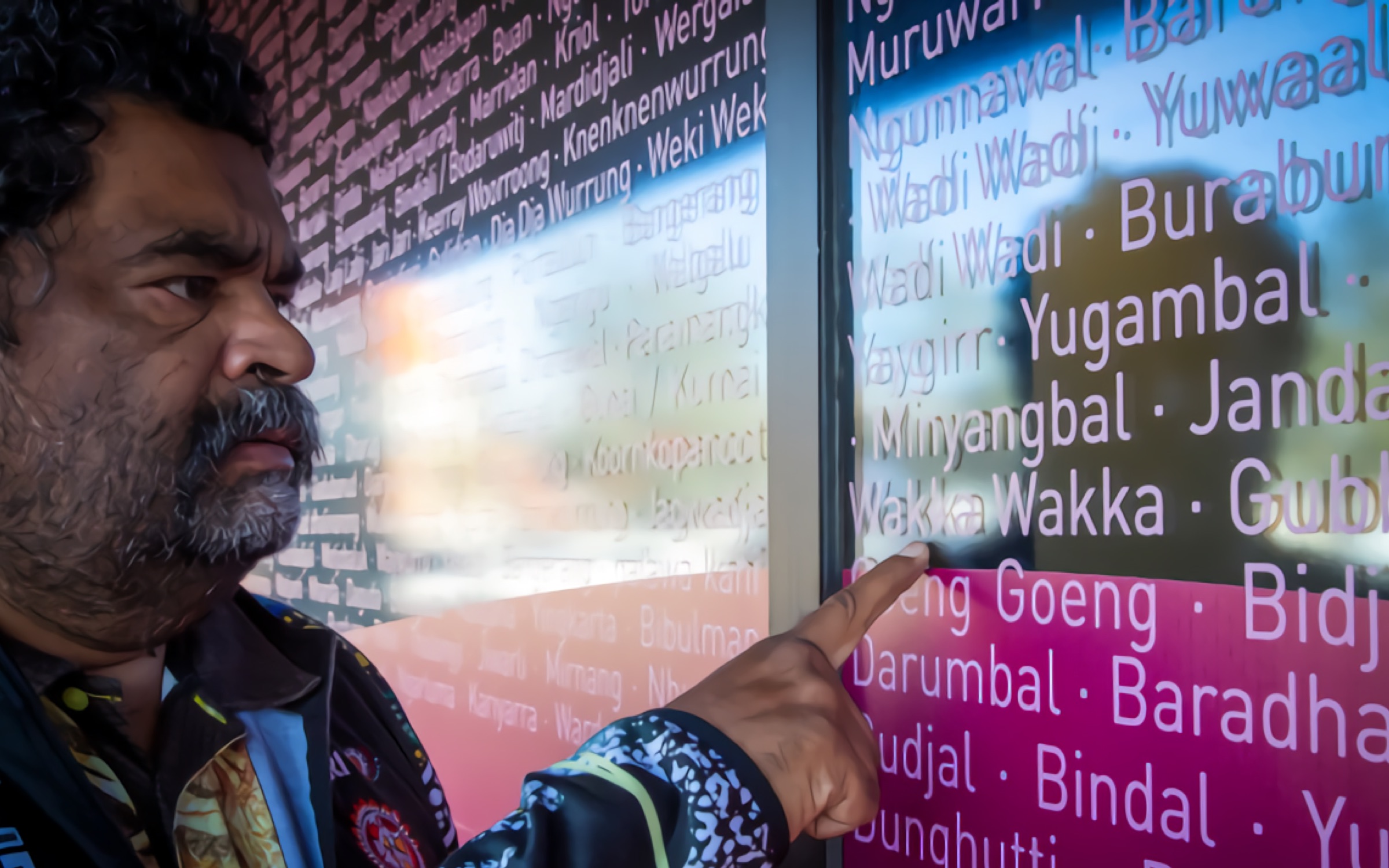
The number of Indigenous languages actively spoken or in revival has doubled in the past five years, according to new research by the Australian Institute of Aboriginal and Torres Strait Islander Studies (AIATSIS).
Recently released data has highlighted a surge in community-led initiatives to restore languages once considered dormant. Researchers attribute the revival to grassroots recording projects, bilingual education, and new intergenerational teaching practices.
AIATSIS estimates that more than 150 First Nations languages are now “alive in daily use or undergoing revival”. This compares with fewer than 80 a decade ago.
Professor Claire Smith, head of language research at AIATSIS, said the turnaround reflects determination from community custodians.
“Many of these languages were actively suppressed during the 20th century. Their re-awakening represents not only cultural resilience, but also a significant step in national healing,” she said.
Communities across New South Wales, Queensland, and Western Australia are leading revival programs.
The Gumbaynggirr Language Centre on the NSW mid-north coast now runs daily classes in schools, while Noongar Elders in Perth have expanded bilingual curriculum materials.
Digital technology has accelerated the trend. Language apps, archives of historic recordings, and online dictionaries have enabled younger generations to learn directly from Elders and cultural custodians.
Language is survival. Every language that is restored strengthens our collective identity
Uncle Robert Dann, a Yawuru Elder from Broome, said passing language to children is vital for cultural identity.
“Our words are tied to Country, song, and kinship. Without language, those connections weaken. With it, they strengthen,” he said.
Federal and state governments have provided new funding streams, including the $25 million Indigenous Languages Investment Fund announced earlier this year. Advocates, however, stress that lasting revival depends on sustained local leadership.

AIATSIS has warned that without ongoing documentation, languages remain at risk.
Dr June Oscar, Aboriginal and Torres Strait Islander Social Justice Commissioner, welcomed the findings but called for greater urgency.
“Language is survival. Every language that is restored strengthens our collective identity. We cannot wait another generation to act,” she said.
The Productivity Commission has also acknowledged the role of language in improving education outcomes. Schools with bilingual programs report higher attendance rates and stronger cultural engagement.
Despite the gains, challenges remain. Many languages have limited written records, relying instead on oral transmission. In some cases, only a handful of fluent Elders remain. AIATSIS has warned that without ongoing documentation, languages remain at risk.
International observers have praised Australia’s revitalisation efforts. UNESCO noted that the rapid expansion of re-awakened languages places Australia at the forefront of global Indigenous language protection.