Remote stores in WA now selling cheaper groceries
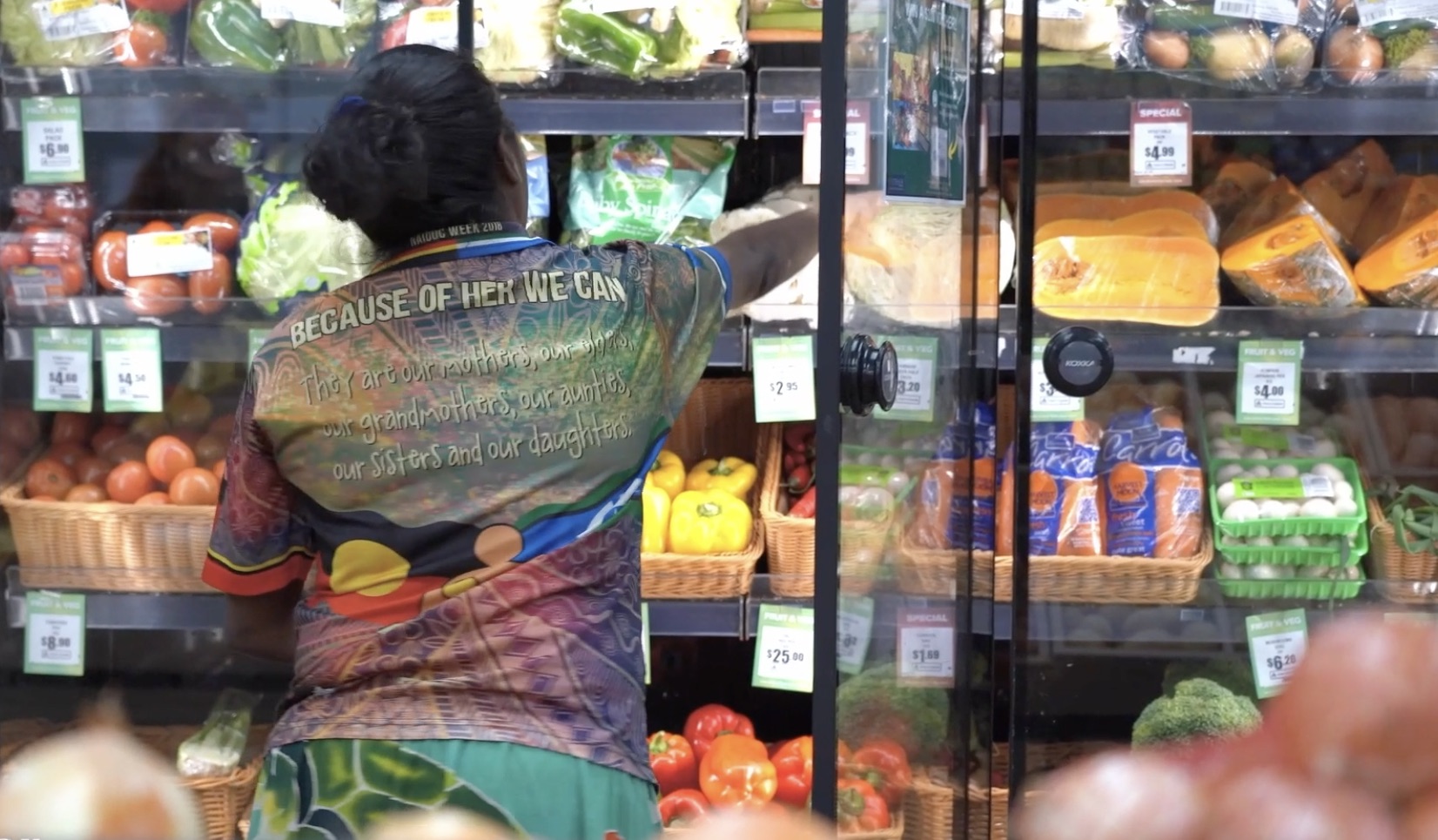
15 stores across Western Australia are now offering cheaper groceries for customers, thanks to the Federal government’s Low-Cost Essentials Subsidy Scheme.
From Bidyadanga and Yakanarra in the Kimberley, to Kiwirrkurra in the Gibson Desert and Jigalong in the Pilbara, families can buy cheaper food and other everyday items.
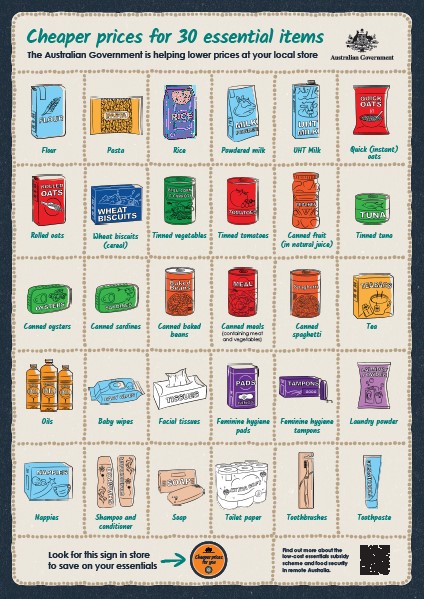
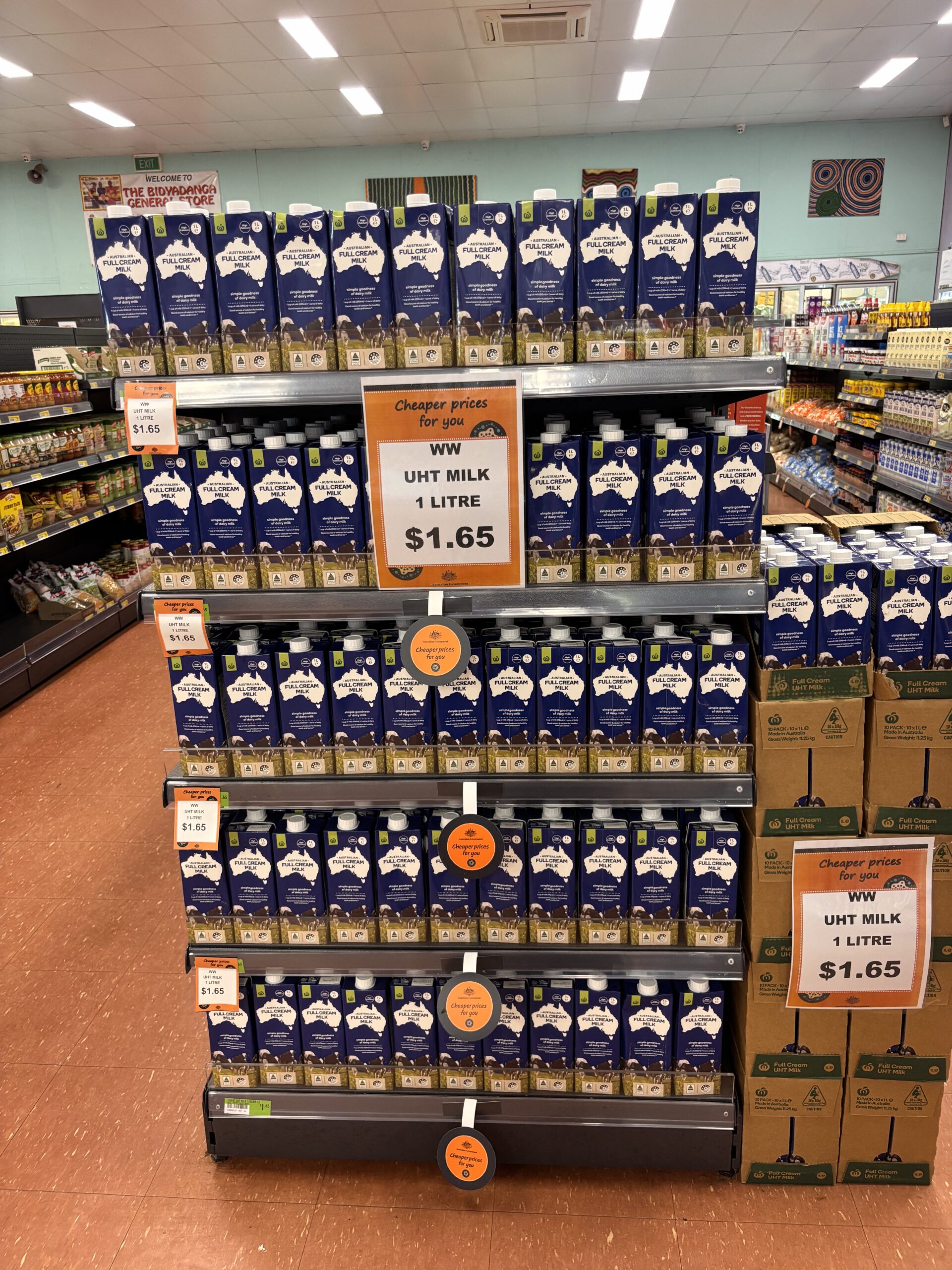
Under the scheme, the cost of 30 essential items, including tinned vegetables, canned fruit, toilet paper and nappies, has been reduced so they are comparable to prices in urban areas.
The government is expanding access to the Low-Cost Essentials Subsidy Scheme so that an estimated 225 remote stores across Australia can apply to join.
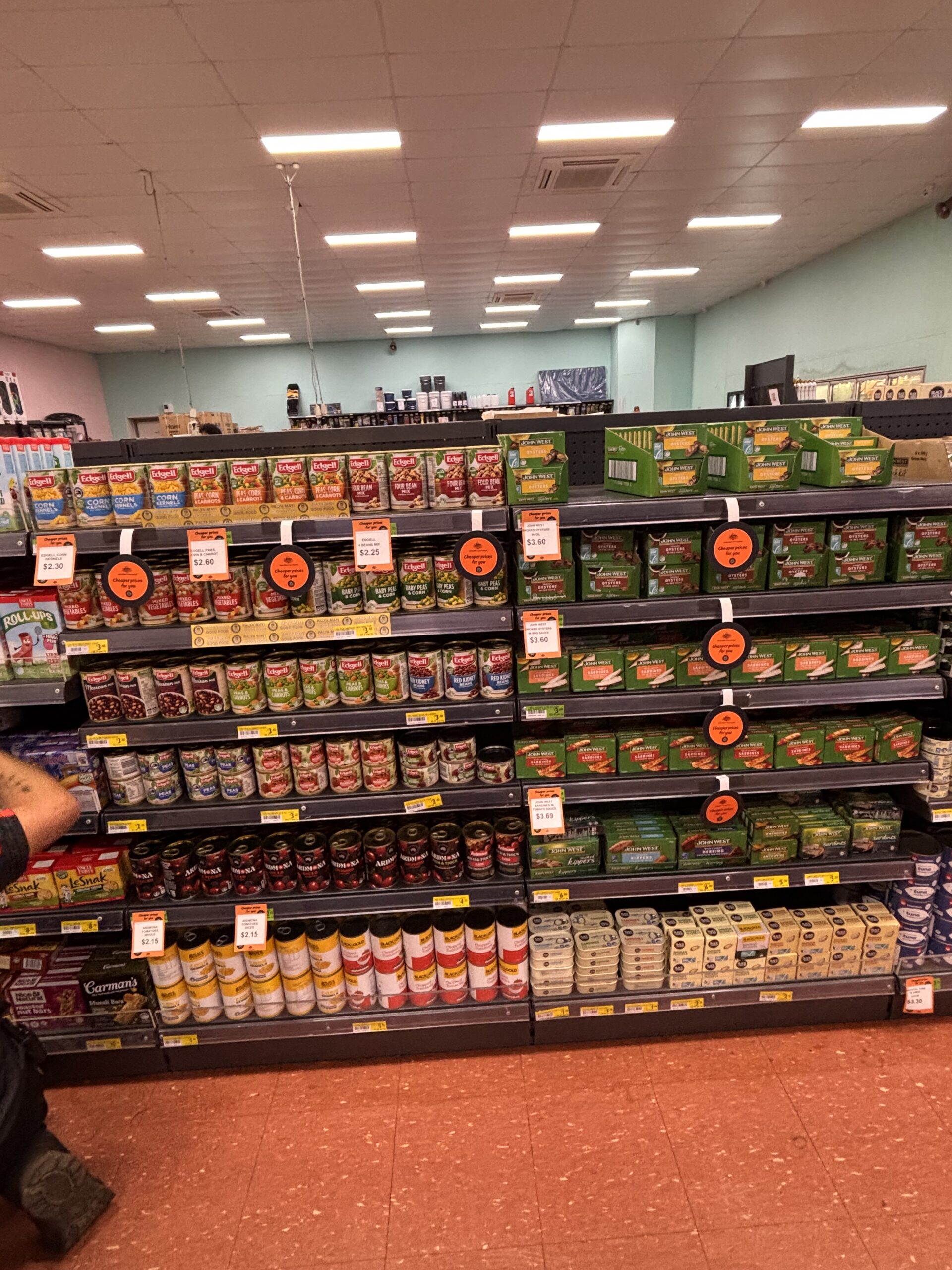
Already, 113 remote stores have signed up and consumers are seeing savings of up to 50 per cent.
To participate in the scheme, stores servicing remote communities are required to sign up to the National Code of Practice for Remote Store Operations which includes minimum standards aimed at improving three key areas: governance, operations and health.
Once approved for the scheme, stores can begin ordering stock from the list of 30 essential items to meet the needs of their community.
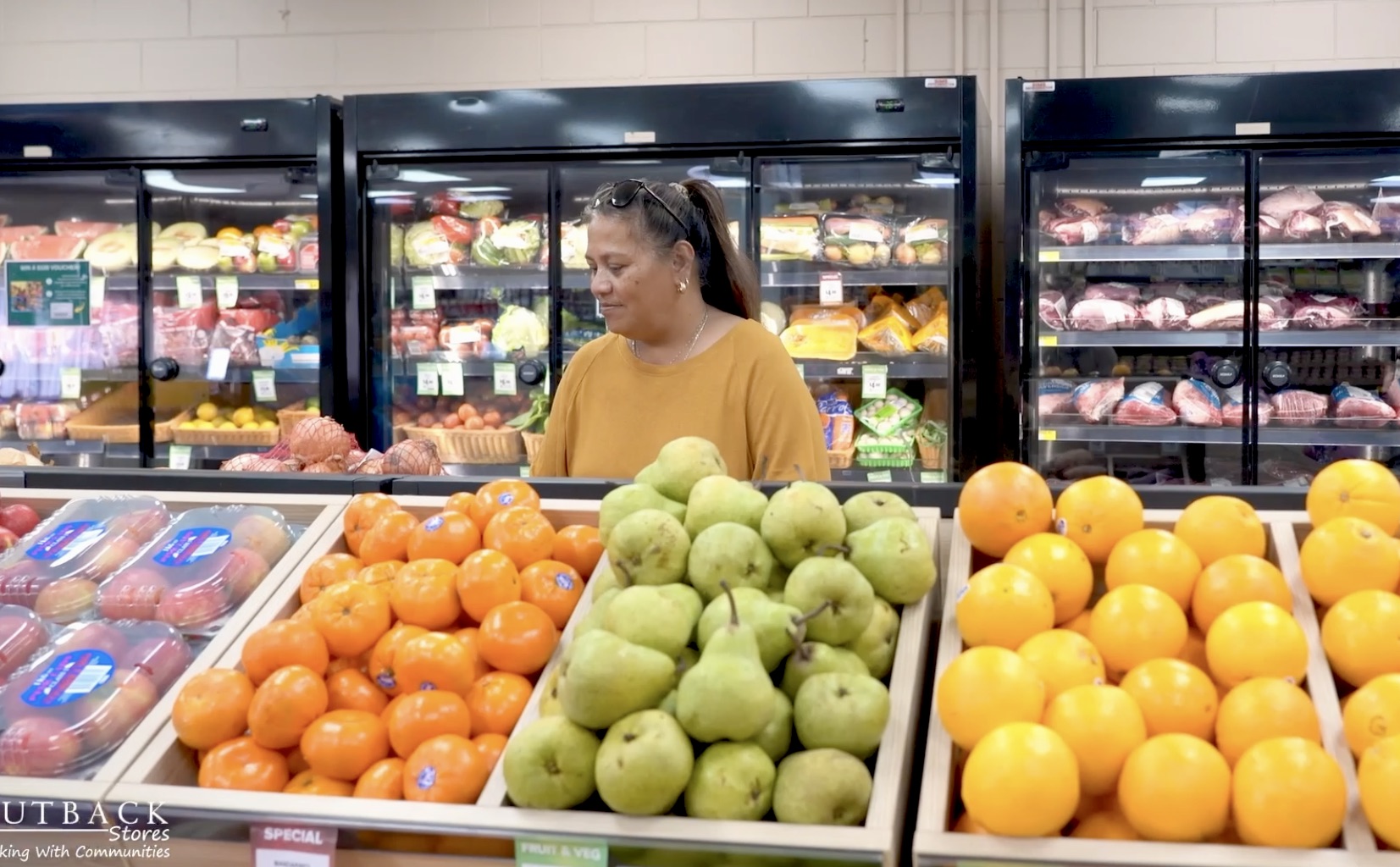
Administered by the National Indigenous Australians Agency, the scheme is delivered by Outback Stores, a not-for-profit Commonwealth company.
“For too long First Nations remote communities have paid too much for food and other essential items, compared to people living in big cities, Minister for Indigenous Australians, Senator Malarndirri McCarthy said.
“Our Low-Cost Essentials Subsidy Scheme is changing that by providing cost of living relief in remote communities.”
Bidyadanga Aboriginal Community CEO, Tania Baxter said her community is the largest remote Aboriginal community in WA.
“We own and operate our store and like many other remote stores we face additional challenges in providing affordable basic items for our customers,” she said.
“The store operates as a business that can provide employment and additional funding to support programs to benefit community members.
“The cost of freight and limited buying power of an independent store means that the cost of stock into store is greater than that of the supermarket giants.
“Many of our customers are on pensions and low incomes so they are facing financial stress just to maintain housing, power and basic household requirements. This is why we wanted to participate in the Low-Cost Essentials Subsidy Scheme.
“Our community members and customers can access subsidised affordable basic products while the business is not penalised for providing these items. It is a good start in our efforts to bring equity to Bidyadanga and other remote communities.”
https://www.niaa.gov.au/our-work/health-and-wellbeing/food-security-remote-first-nations-communities