Racism ‘prevalent after referendum’ conference told
By ABE MADDISON
Racism remains prevalent after the failed voice referendum gave Australia permission to stage a “redneck jamboree”, an Indigenous health conference has been told.
One-in-three Aboriginal and Torres Strait Islander youth reported being treated differently because of their race, keynote speaker Pat Dudgeon told the National Indigenous Mental Health and Suicide Prevention Conference in Adelaide.
“This information comes from 2020, before we had the ill-fated, failed referendum, which gave permission for horrible expressions of racism,” the University of Western Australia’s professor of Indigenous studies said on Tuesday.
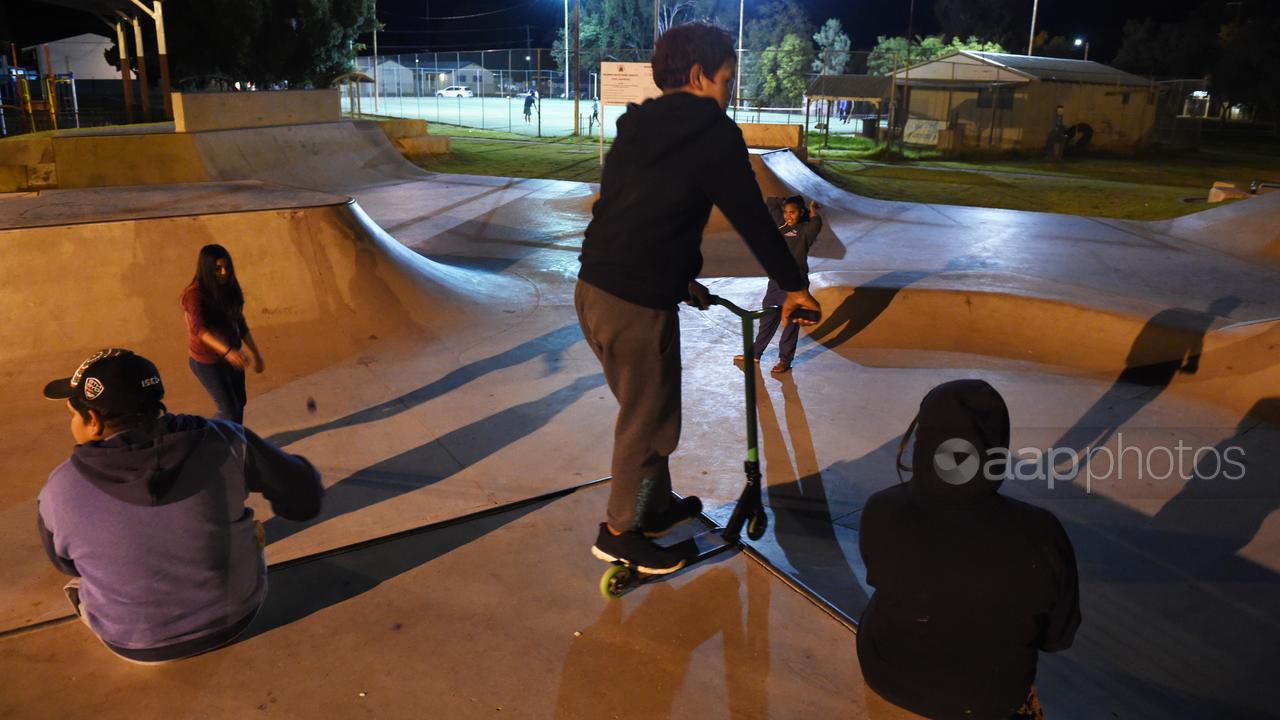
Many Indigenous youth report being treated differently because of their race. (Mick Tsikas/AAP PHOTOS)
The 2023 referendum to give Indigenous people a voice to federal parliament was rejected nationally and by a majority in every state.
“And we’re still dealing with that,” Prof Dudgeon said.
“Now we can barely put a post up on Facebook no matter how positive it is without some unknown … making disparaging remarks.”
Racism remained strong in Australia and “we track it back to during that referendum, and then afterwards”, Prof Dudgeon said.
“It’s like Australia was given permission to have a big redneck jamboree,” she said.
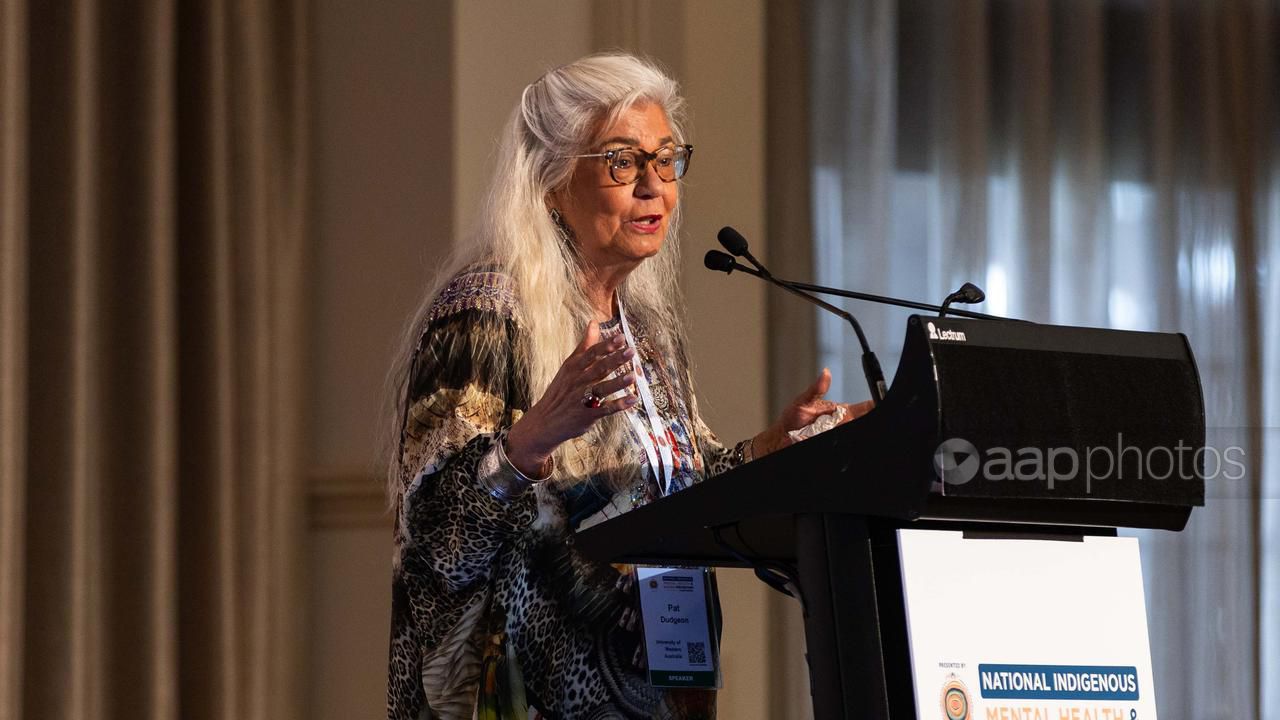
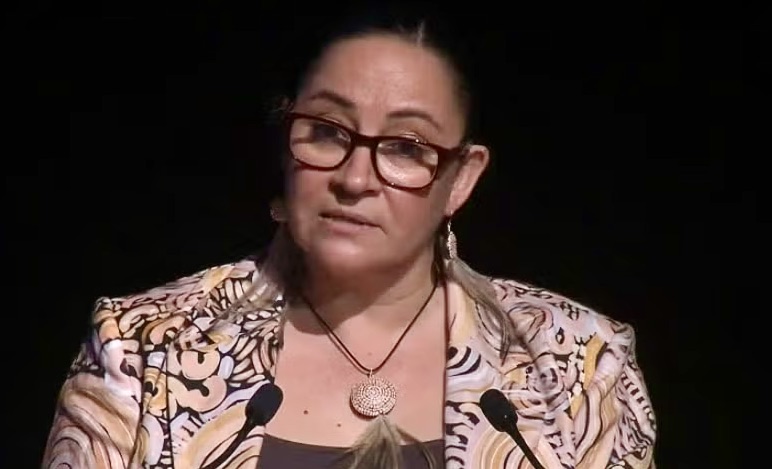
Government policies have resulted in complex experiences of Indigenous trauma, Pat Dudgeon says . (PR IMAGE PHOTO)
Programs like the Warriorship in the Face of Racism project could help Indigenous people and communities to build resilience and support their social and emotional wellbeing, she said.
Up to 2015, suicide was treated “a bit like it was the individual’s fault, rather than society”.
The Aboriginal and Torres Strait Islander suicide prevention evaluation project found Indigenous suicide had many causes, including cultural, historical and political.
“We were very adamant that this is part of the colonising story,” Prof Dudgeon said.
A universal approach
“There needs to be community control and empowerment, programs should be holistic, sustainable, strength-based and capacity building.”
The project found there needed to be intervention at different levels and universal approaches, she said.
“If we looked after the wellbeing of people, then there wouldn’t be suicide, there wouldn’t be family violence,” Prof Dudgeon said.
“Government policies such the dispossession of our traditional lands, the forcible removal of children, disruption to culture, identity, the oppression that continues today, has resulted in complex experiences of trauma.”
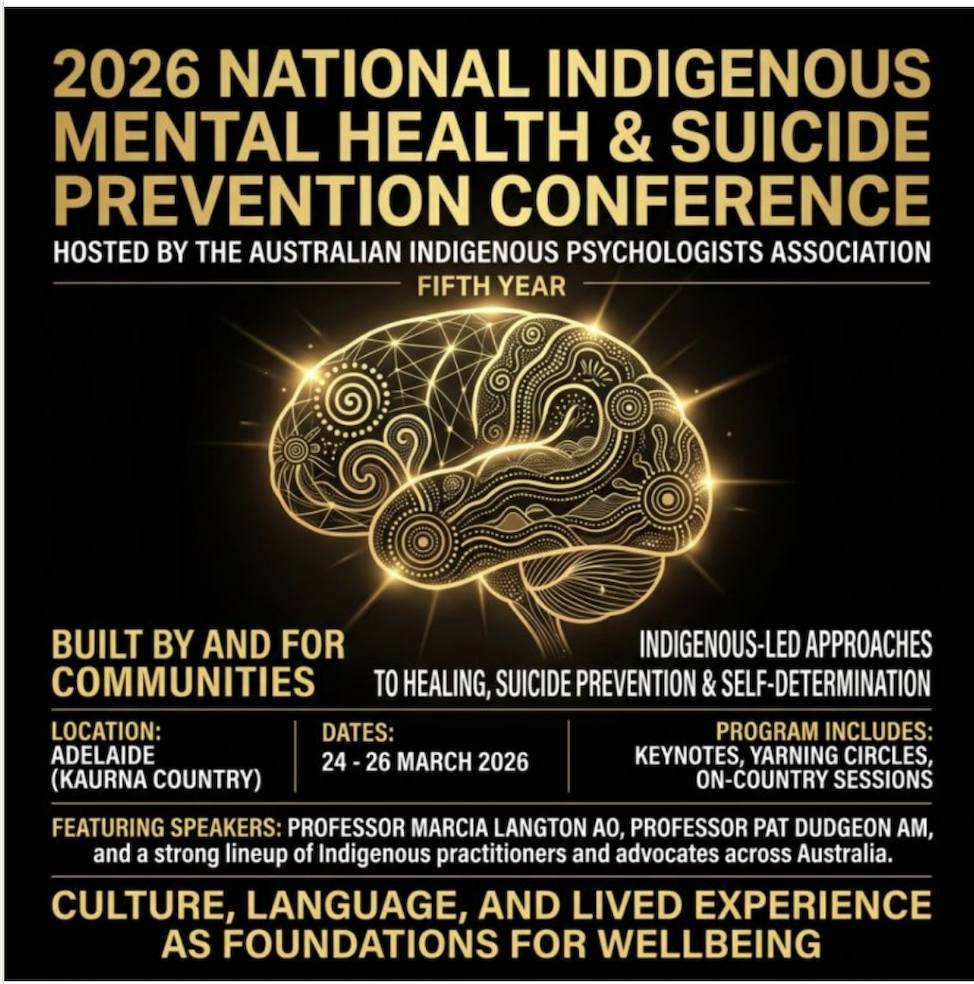
The two-day conference is believed to be the nation’s largest gathering focused on Indigenous mental health and suicide prevention.
There were more than 500 delegates at the sellout conference, hosted by the Australian Indigenous Psychologists Association.
But chair Vanessa Edwige said the “stark reality” was the association’s government funding ended this year and there was no certainty it would secure more.
“Let’s use this conference as a platform to champion all our great work, let’s make sure decision makers understand that these programs are not optional, they are essential,” she said.
13YARN 13 92 76
Lifeline 13 11 14
aap