Qld government ‘opens old wounds’ over Legal Aid board appointment
The Queensland State government has been accused of opening old wounds after it appointed ex-detective Darren Robinson to the Legal Aid board, prompting backlash over his criticised role in Palm Island events.
The appointment, made by attorney general Deb Frecklington after the government replaced all Labor-appointed board members last month, has been described as reopening trauma within the community.
Key Points
- Queensland replaces Legal Aid board and appoints former detective Darren Robinson
- First Nations leaders say move “opened old wounds” tied to Palm Island
- Robinson described as a “principal antagonist” in federal court documents
- Inquest found his prior investigation “superficial, biased and misleading”
- Federal court found police treatment of residents discriminatory in 2015
- Attorney general cites Robinson’s experience with rural and remote communities
- Critics question government’s judgment and call for Aboriginal appointments
Appointment triggers outcry
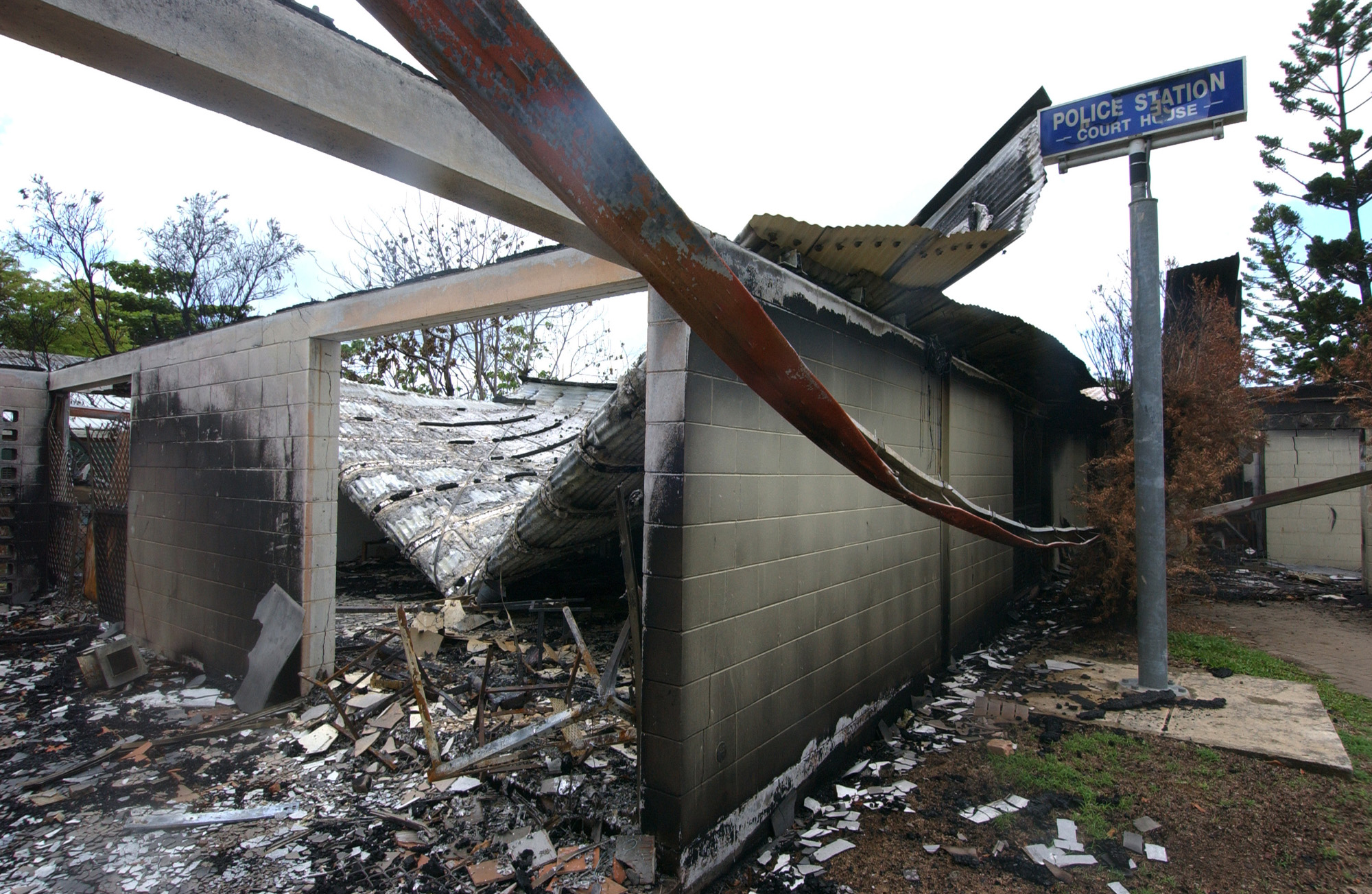
Community leaders and members of the legal fraternity said the decision had “opened old wounds” given Robinson’s involvement in the aftermath of the death in custody of Mulrunji Doomadgee and the subsequent riots on Palm Island. Federal court documents previously described Robinson as a “principal antagonist” in events before and after Doomadgee’s death.
“It’s opened up a lot of raw wounds and brought back a lot of trauma,”
— Aunty Gracelyn Smallwood
Aunty Gracelyn Smallwood, a Birrigubba, Kalkadoon and South Sea Islander woman who was on Palm Island on the day of the riots, told the Guardian justice had not been done and expressed surprise the appointments were allowed to proceed. She said anyone reading the case transcripts would be surprised about the decision.
Palm Island case
In 2004, then Senior Sgt Robinson was a friend of Christopher Hurley, the officer accused (and ultimately acquitted) of the manslaughter of Mulrunji Doomadgee in the Palm Island police cells.
Before Mr Doomadgee’s death, Robinson investigated a prior complaint by a Palm Island community member about Hurley and ruled the complaint was “fictitious”. An inquest later described Robinson’s investigation as “superficial, biased and misleading” and found his conclusion was “dishonest and flew in the face of objective evidence”.
Following Mr Doomadgee’s death, Robinson was part of a police team sent to Palm Island. After the riots, he accompanied police as they entered homes searching for suspects. A 2015 Federal court civil case ultimately found police treatment of Palm Island residents was discriminatory.
Concerns over government judgment
Critics say the appointment will be seen as divisive and raises questions about the government’s judgment. Across Australia, more than nine per cent of clients who rely on legal aid commissions are First Nations people. That number would probably be higher in Queensland, which has a larger proportion of Indigenous people and an overrepresentation of them in the criminal justice system.
Terry O’Gorman, vice-president of the Queensland Council for Civil Liberties, said the inquest findings and the recommendation that Robinson be disciplined should disqualify him from government roles, particularly on the Legal Aid board, which sets funding policies for Indigenous people, including for complaints against police.
Government response
In a statement, Ms Frecklington described Legal Aid Queensland as essential to justice for disadvantaged Queenslanders and said the institution would benefit from Robinson’s experience with rural and remote communities, including Indigenous and vulnerable people.