Perth Aboriginal woman dies after Kimberley travel
A 78-year-old Aboriginal woman from Perth has died after contracting Murray Valley Encephalitis (MVE) during travel through northern Western Australia.
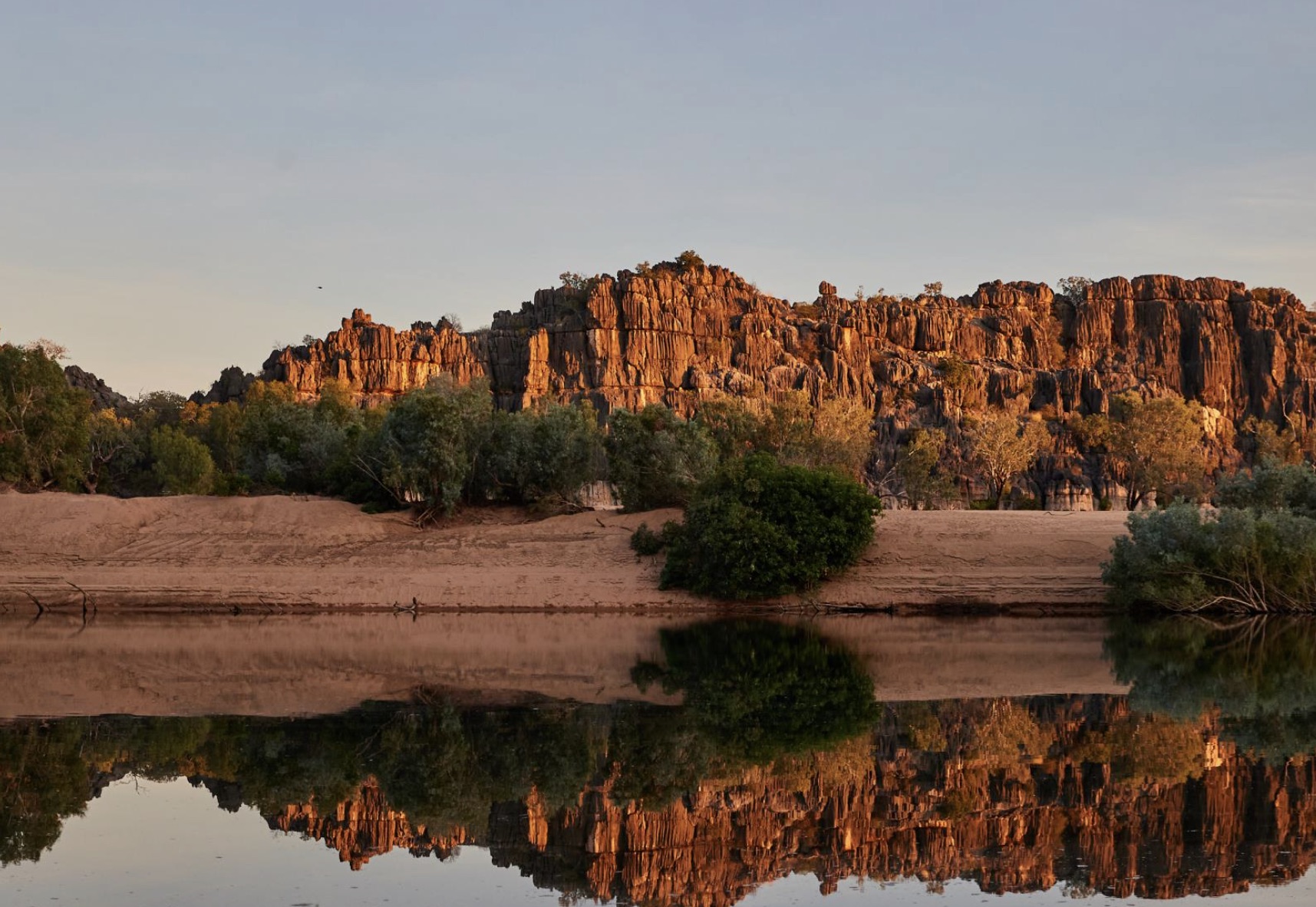
WA Health has linked the fatal infection to likely mosquito bites in the West Kimberley last month; she died on June 7.
Key Points
- 78-year-old Aboriginal woman from Perth died of Murray Valley Encephalitis
- Health officials believe infection followed mosquito bites in West Kimberley
- Death on June 7 is WA’s first recorded MVE case this year
- Surveillance detected signs of the virus in Kimberley and Pilbara regions
- WA Health urges strict mosquito bite prevention; no vaccine exists
- Risk is highest during and after the northern WA wet season
- Early symptoms range from fever to confusion; seek urgent medical care
Health authorities said surveillance has detected signs of MVE activity in both the Kimberley and Pilbara, prompting warnings for residents and visitors in the two northern regions. Officials described MVE as uncommon but potentially life-threatening, and urged heightened vigilance in the weeks ahead.
WA Health said the woman’s death is the first recorded MVE case in Western Australia this year. It follows three notifications in 2025 and three in 2024. Authorities stressed that the current risk period can extend into July.
Officials said people who have spent time in high-risk areas and experienced mosquito bites should closely monitor their health, and urged immediate medical attention if symptoms emerge. The warning applies to both residents and travellers across the Kimberley and Pilbara while virus activity is being detected.
Prevention advice for Kimberley and Pilbara
Recommended precautions include covering up exposed skin, using bed nets or sleeping in mosquito-proof tents, and applying appropriate repellents. Authorities emphasised consistent and correct use, especially at times when mosquitoes are active.
- Cover up with loose, light clothing to reduce exposed skin
- Sleep under nets or in mosquito-proof tents
- Use repellents on exposed skin, applying evenly and reapplying as directed
- Choose repellents containing DEET, picaridin or Oil of Lemon Eucalyptus
Officials also encouraged visitors planning travel to the north of the state to prepare with suitable protective clothing and effective repellents. They highlighted that the period following the wet season remains a time of increased risk in northern WA.
Symptoms and when to seek care
Early symptoms of MVE can include fever, severe headache, drowsiness, dizziness, nausea, neck stiffness, confusion or difficulty speaking, according to WA Health. The department said anyone bitten by mosquitoes who develops these symptoms should seek urgent medical care.
In serious cases, the virus can cause seizures, coma, permanent brain damage or death. Authorities also advised parents to seek medical advice if concerned about young children, noting that fever may be the only early sign of infection.
Health officials said the surveillance-driven warnings for the Kimberley and Pilbara reflect an active risk environment for MVE in northern WA during and immediately following the wet season. They reiterated the importance of layered prevention—covering up, using nets, and applying effective repellents—to reduce the likelihood of infection.