New report reveals racism in healthcare is costing lives
A report released by the Australian Human Rights Commission has laid bare the devastating impact of racism on health outcomes for Aboriginal and Torres Strait Islander Peoples and other communities impacted by racism in Australia.
Health inequities in Australia: A scoping review on the impact of racism on health outcomes and healthcare access finds that racism—both systemic and interpersonal—is a critical driver of poor health, chronic illness, and premature death.
Race Discrimination Commissioner Giridharan Sivaraman said the findings are a wake-up call for the nation.
‘This report confirms what communities have been saying for decades: racism in the health system is not just unfair—it can kill,’ Commissioner Sivaraman said.

Race Discrimination Commissioner Giridharan Sivaraman.
‘When people are denied care, misdiagnosed or treated with suspicion because of their race, the consequences are not theoretical. They can be fatal.’
The scoping review, conducted by researchers, including First Nations researchers in the School of Public Health at the University of Technology Sydney, synthesises evidence from 100 studies and highlights how racism contributes to mental illness, chronic disease and reduced life expectancy. It also documents widespread mistrust of healthcare systems due to repeated experiences of discrimination, neglect and stereotyping.
‘We cannot close the gap in health outcomes without confronting the racism that underpins it,’ Commissioner Sivaraman said.
System failures
‘This is not about isolated incidents. It’s about a system that too often fails people because of who they are. That must change.’
The report calls for urgent reforms, such as:
- Embedding cultural safety standards in healthcare.
- Provide accessible anti-racism training for health professionals.
- Expanding interpreter services to ensure equitable access.
- Supporting Indigenous and culturally and linguistically diverse-led health initiatives through community-led programs.
- Recognition of historical trauma in health strategies.
- Embedding anti-racist policies in schools and universities.
- Strengthening anti-discrimination laws and introducing a federal Human Rights Act.
- Promoting job security and workplace protections.
- Ensuring diverse voices in policymaking and governance.
- Longitudinal studies on racism and health, including intersectional impacts of racism.
- Mental health effects of workplace discrimination and culturally tailored mental health interventions.
‘Racism is a public health emergency,’ Commissioner Sivaraman said. ‘We need to treat it with the same urgency and seriousness as any other threat to life.’
‘We need the federal and state governments to commit to the health-based recommendations in the National Anti-Racism Framework.’
The report supports the goals of the National Anti-Racism Framework and provides a roadmap for governments, health institutions, and communities to dismantle discriminatory structures and build a health system that is safe, inclusive and equitable for all.
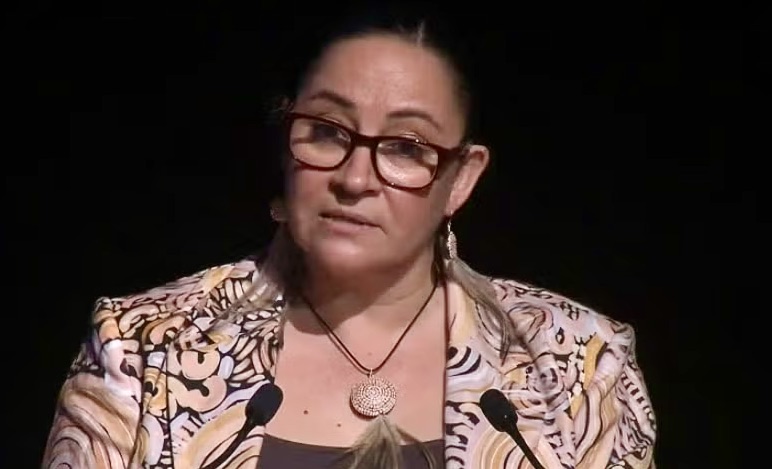
Social Justice Commissioner, Katie Kiss.
Aboriginal and Torres Strait Islander Social Justice Commissioner, Katie Kiss said racism was stopping first people from getting better.
“It’s unacceptable that First peoples are dying from diseases that have been eradicated in the rest of population decades ago. This needs to urgently change.” she said.
Read the full report here: https://humanrights.gov.au/our-work/race-discrimination/publications/health-inequities-australia