New name touted for SA’s largest electorate
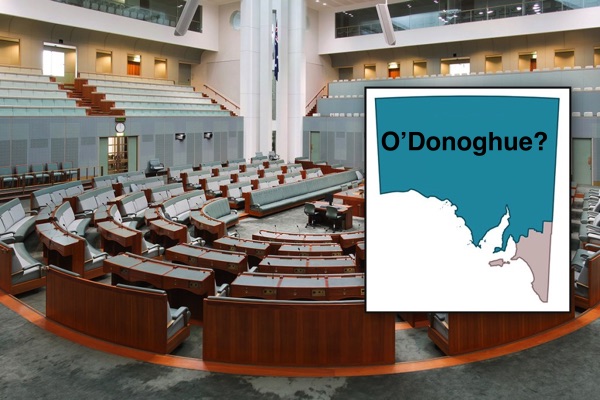
Australia’s electoral umpire has proposed renaming South Australia’s vast federal electorate of Grey to “O’Donoghue”, honouring the late Aboriginal leader Dr Lowitja O’Donoghue, as part of a broader redraw of SA’s Federal boundaries.
The Australian Electoral Commission has announced that the electorate of Grey – which is larger than New South Wales – may be renamed O’Donoghue under new boundary changes.
The AEC’s Redistribution Committee recommended the renaming as “appropriate” due to Dr O’Donoghue’s “strong connection to the APY Lands which are largely located in the electorate of Grey”.
Key Points
- AEC proposes renaming Grey to O’Donoghue to honour Dr Lowitja O’Donoghue
- Grey spans roughly 908,000 square kilometres, larger than New South Wales
- Anonymous submission triggered proposal, backed by five of nine submissions
- Family consulted for approval; AEC opens public consultation on changes
- Report cites O’Donoghue’s strong APY Lands connection within Grey
- SA has two electorates named after women and none after Indigenous names
- Redistribution impacts four per cent of voters, mainly Mayo and Spence
Grey covers roughly 908,000 square kilometres. The renaming proposal was spurred by an anonymous submission to the AEC’s boundary changes consultation and was supported by five out of nine submissions. The AEC is currently open for public consultation on the suggested changes.
Who Dr Lowitja O’Donoghue was
Dr Lowitja O’Donoghue, who died in 2024, is recognised for a series of firsts and national contributions. Her accolades included being the first Indigenous nurse at the Royal Adelaide Hospital, playing an integral role in negotiations that led to federal native title legislation, and becoming the first Indigenous Australian to address the United Nations General Assembly.
Dr O’Donoghue will also be honoured with a life-size statue designed by acclaimed sculptor Robert Hannaford at the Tarntanya Wama/Elder Park walkway in mid-2026. She was also the first Aboriginal person to have a building named after her at Canberra’s Australian National University last year.
Historical context
The electorate of Grey was named in 1903 for colonial explorer Sir George Grey, who served as governor of South Australia in 1840. In 1844, Grey amended a law known as the Aboriginal Witnesses Act, stipulating that unsworn testimony given by Indigenous Australians would be inadmissible in court. He was also the governor in New Zealand in 1845 when war broke out between the Māori people and British settlers.
Boundary adjustments
Under the proposed changes, the new electorate of O’Donoghue would add part of the Playford council area from the neighbouring electorate of Spence. The AEC is deciding on redistribution across South Australia, a process expected to affect four per cent of voters, mostly in the electorates of Mayo and Spence.
Committee Chair and Australian Electoral Commissioner Jeff Pope said the electorates of Mayo and Spence both need to reduce in size due to continued population growth in some regional hubs and on Adelaide’s urban fringe.