New Ken Burns series features Indigenous nations’ role in American Revolution
Ken Burns’s PBS series centres Indigenous nations’ diplomatic and economic roles in the American Revolution, with Haudenosaunee influence, Cherokee input and Indigenous consultants.
Key Points
- Series spotlights economic and diplomatic roles of Indigenous nations
- Haudenosaunee Confederacy cited as Franklin’s model for colonial union
- Twelve-hour PBS series took almost a decade to produce
- Indigenous consultants advised throughout the production process
- Rick Hill cautious but stresses Haudenosaunee story’s centrality
- Cherokee advisor praises early inclusion, warns progress remains slow
- Burns calls Native stories essential to understanding the Revolution
Ken Burns’s new PBS series, The American Revolution, brings Indigenous nations to the centre of a story long told through a narrow lens, foregrounding their economic and diplomatic roles and the consequences of the conflict for their communities.
The series and its scope
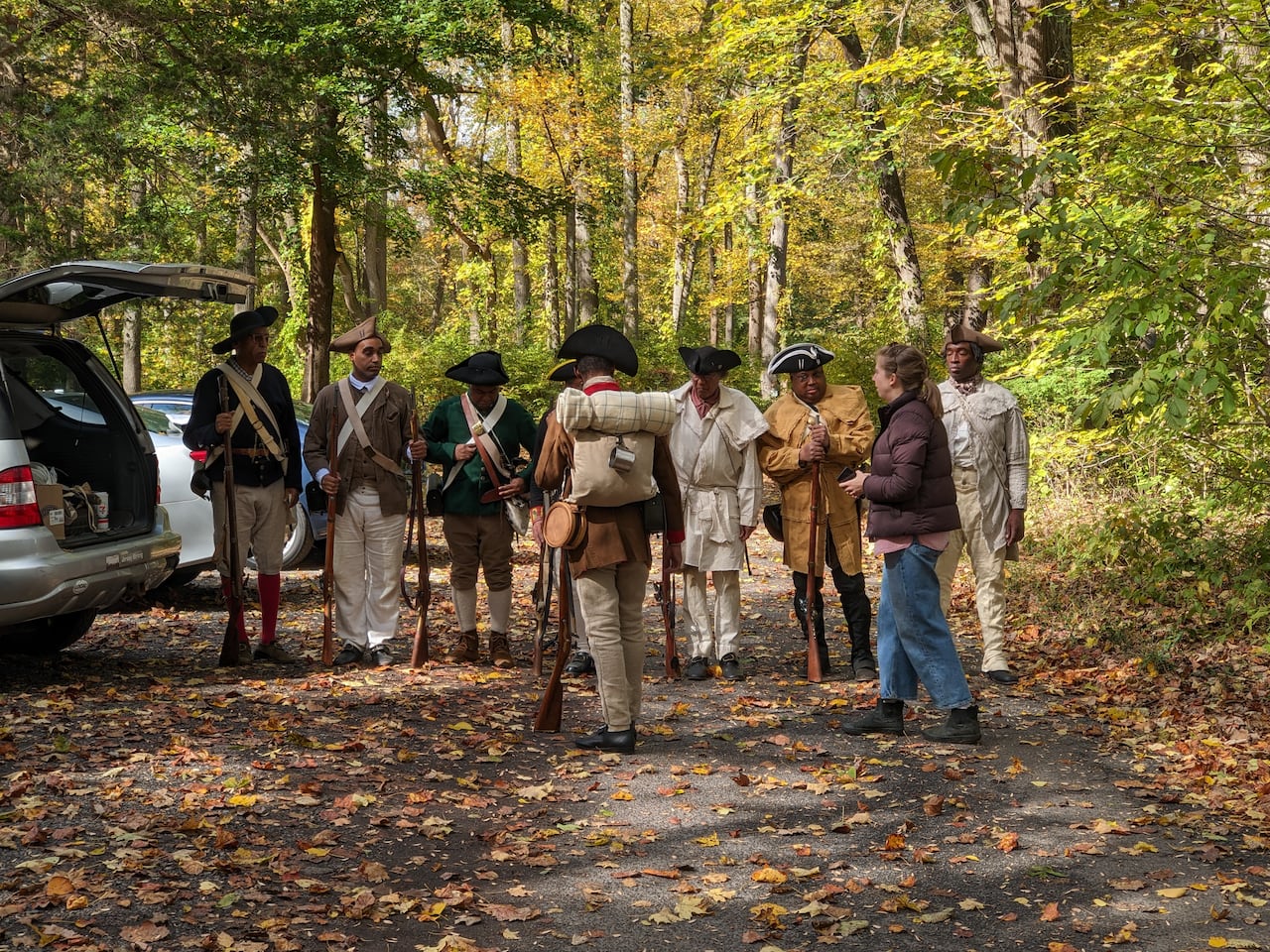
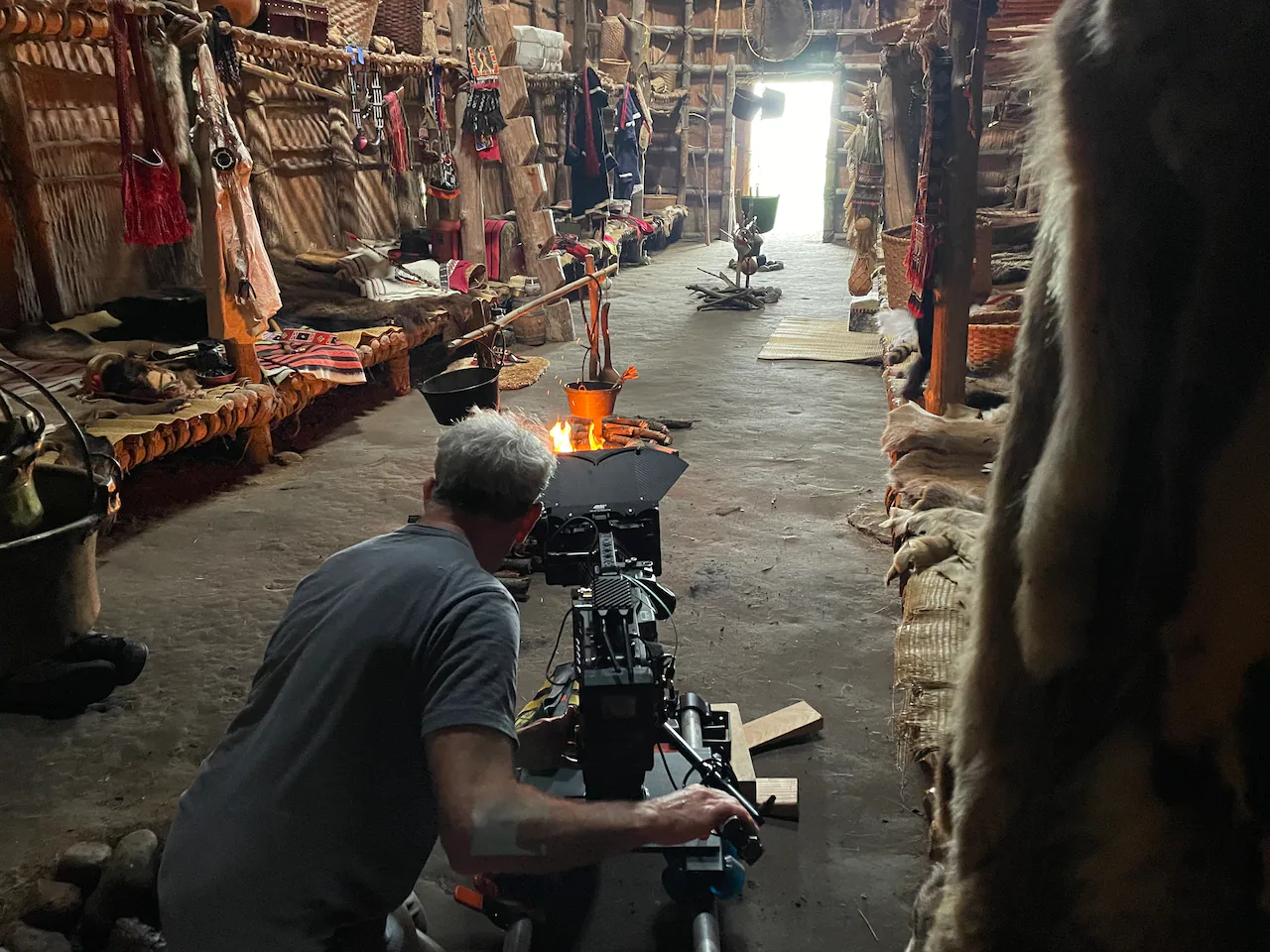
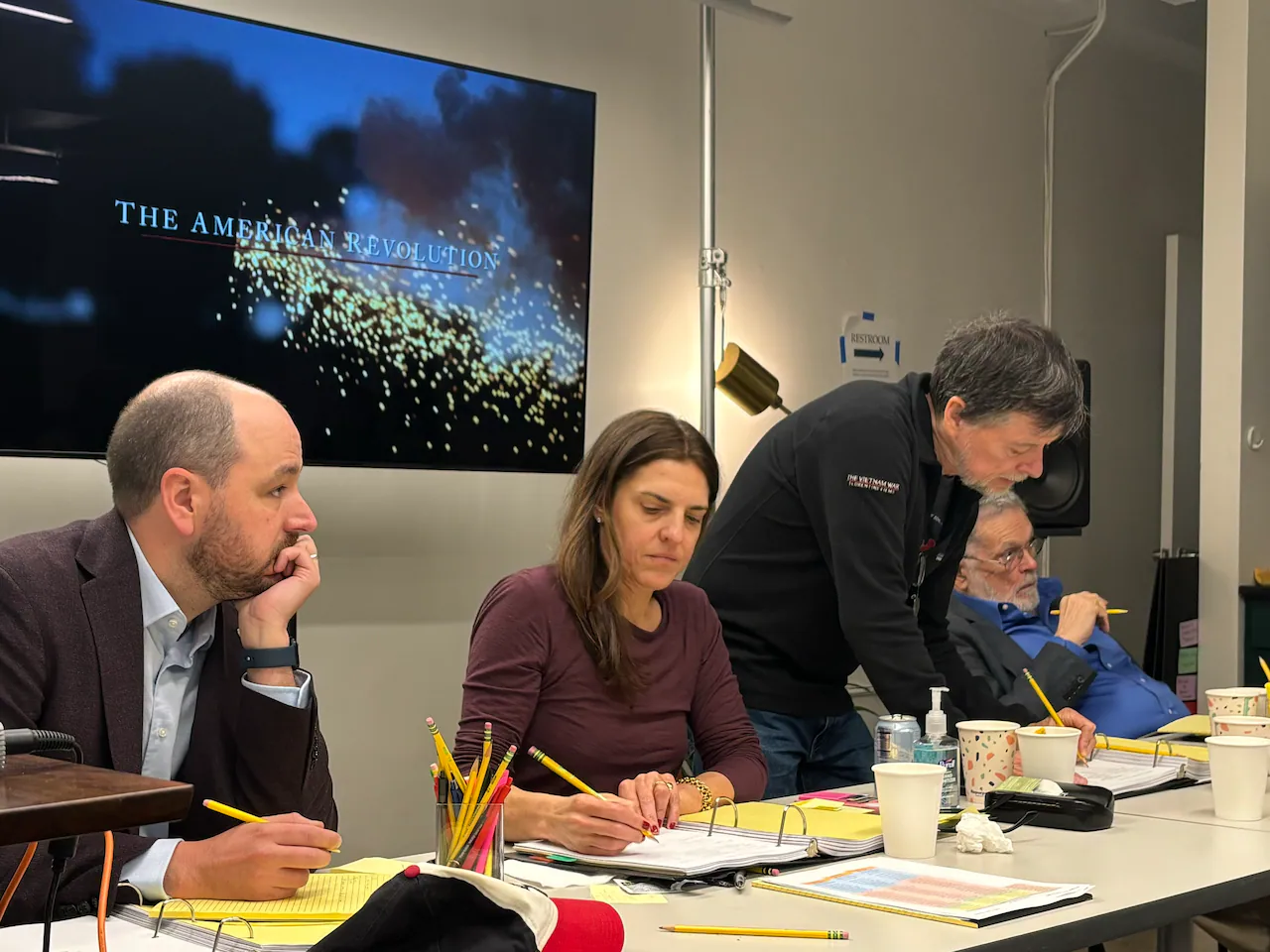
The American Revolution, airing this week on PBS, is a 12-hour examination of the upheaval that reshaped North America. The series was almost a decade in the making and depicts a bloody clash for Indigenous land that involved more than two dozen nations, European as well as Native American. From the outset, Burns and his team sought to frame the Revolution as a struggle not only among British, French and American interests, but also among sovereign Indigenous nations whose territorial, political and economic stakes were profound and often determinative.
Episode 1 highlights the Haudenosaunee Confederacy as an early exemplar of unity that influenced colonial thought. The episode points to Benjamin Franklin’s interest in the confederacy two decades before the Revolution, noting how he looked to the union among the Seneca, Cayuga, Onondaga, Tuscarora, Oneida and Mohawk nations as a model for co-operation among the 13 British colonies in North America. Burns underscores that colonial leaders declined to cede autonomy to one another, missing, in his view, a clear lesson Indigenous leaders had “figured out centuries ago,” a theme the series revisits as alliances and loyalties shift amid war.

Indigenous consultants worked on the project, helping to shape the narrative and deepen its focus on sovereign nationhood, diplomacy and the economic stakes of territory and trade. Burns’s aim to position those perspectives as integral to the story is consistent with the series’ broad scope and its emphasis on context that is often absent from textbooks.
Indigenous nations as economic and diplomatic actors
A core proposition of the series is that Indigenous nations acted as full diplomatic and economic participants in the Revolutionary era. The production depicts Indigenous leaders and diplomats as peers to the French, British and American counterparts with whom they negotiated, fought, traded and made strategic decisions. That framing challenges accounts that reduce Indigenous peoples to bystanders or monolithic groups, and it aligns with the consultants’ advice to treat each nation’s sovereignty and interests as distinct and enduring.
Among the figures highlighted is Kanien’kehá:ka leader Joseph Brant (Thayendanegea). The documentary features many portraits of Brant, a choice Burns frames as indicative of Brant’s historical stature and command. This visual emphasis sits alongside the series’ scrutiny of revolutionary rhetoric, including Thomas Jefferson’s language in the Declaration of Independence. Burns draws attention to Jefferson’s reference to “merciless Indian savages.” He contrasts that rhetoric with a broader aspiration in the same document, noting that reconciling the two requires sustained work.
Burns also comments on George Washington’s frequent use of the term “empire,” a characterisation that, he notes, presumes control over territories inhabited by sovereign peoples. By surfacing these elements, the series prompts viewers to consider how founding-era language, policy and ambition intersected with the existing political geography mapped by Indigenous nations.
Burns’s approach and personal grounding
Burns, known for The Civil War, The Vietnam War and The National Parks: America’s Best Idea, presents his approach as rooted in an insistence on accuracy and completeness. He describes that impulse as being “in his DNA,” recalling how his grandparents, while seeking Civil War artefacts on their honeymoon, actually found Native American arrowheads, flints and other tools. As a child, he had a map of the United States above his bed marking the territories of 300 Indigenous nations, a constant reminder of original inhabitants and their complex political boundaries.
That early exposure informs his insistence that this material not be sidelined in classrooms. Burns argues that Indigenous histories are not optional or peripheral to the American story but foundational to it. As he puts it, engaging Native American stories is not complicated; in his words, it is “it’s just required.” He urges audiences to view the series in full before forming conclusions, emphasising that only a comprehensive account can do justice to the intertwined histories of Indigenous nations and settler powers.
Haudenosaunee Confederacy: inspiration and fracture
The Haudenosaunee Confederacy features prominently as both inspiration and cautionary tale. The series recounts the confederacy’s long-standing model of governance and mutual obligation that Franklin observed, and it follows how the Revolutionary War ultimately tore that union apart. The narrative traces divided loyalties as nations within the confederacy faced escalating pressure to choose sides amid British, American and other Indigenous interests.
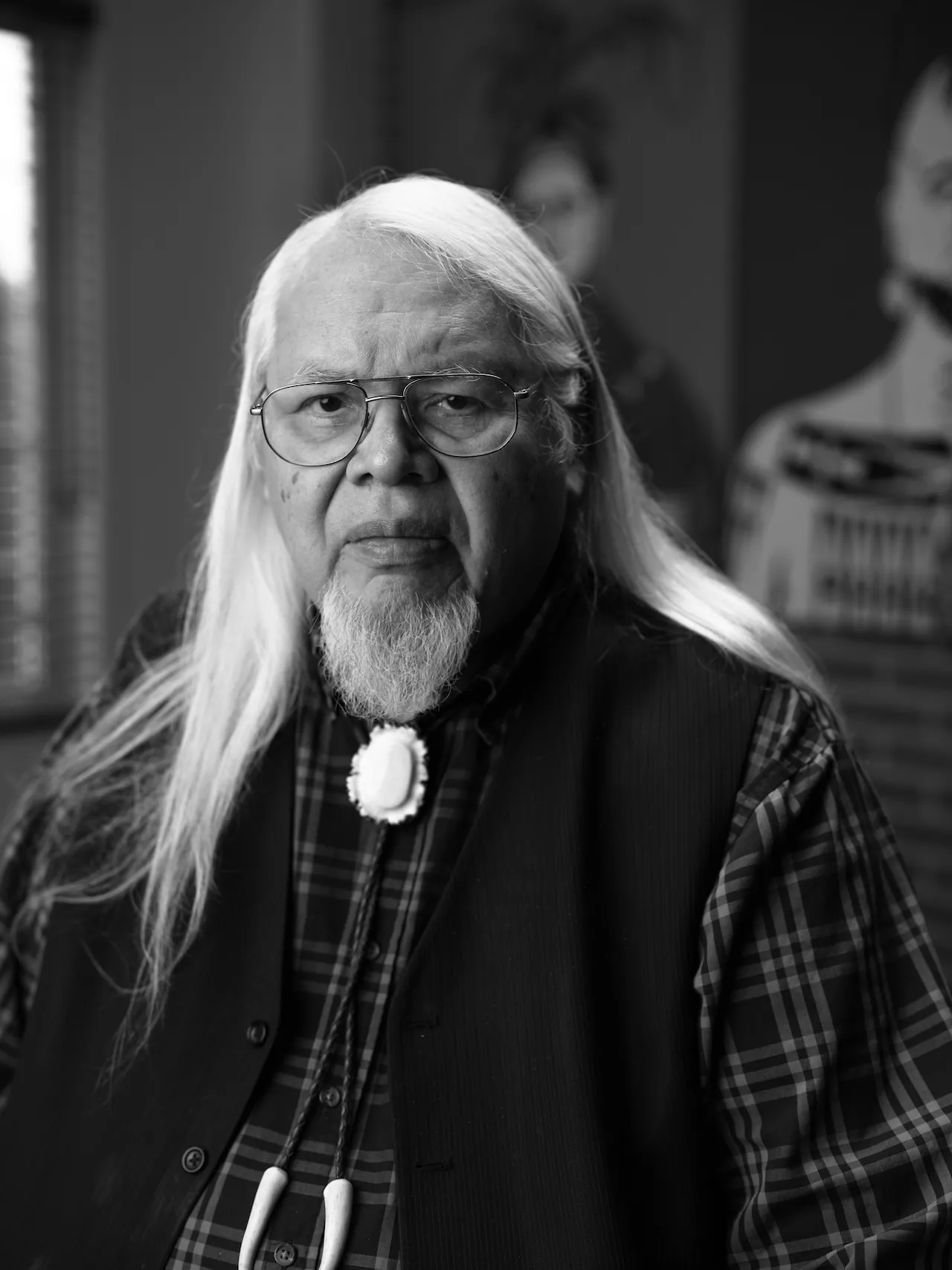
Tuscarora historian Rick Hill stresses the centrality of this story, calling the Haudenosaunee experience “the critical part of the whole thing” when it comes to understanding the American Revolution. Hill recalls that he learned little about Indigenous history until he attended university in the 1970s, where he connected with other Indigenous scholars and began speaking with elders from his community about the confederacy’s real history. He describes initial anger at the absence of Indigenous representation in historical accounts, an anger that evolved into a commitment to teach the living history of the Haudenosaunee Confederacy, which he notes is still functioning today.
Hill characterises the Revolutionary period as one of betrayal and divided loyalties that brought Haudenosaunee nations to the brink, “to the one point where we’re spilling each other’s blood, despite what the Peacemaker said.” He says the confederacy overcame that rupture and that its culture and law helped its people survive, underscoring continuity and resilience despite wartime fracture. With debates over how history is taught resurfacing, Hill argues that the series arrives at a critical moment, citing renewed attempts to “whitewash history.”
Reception and expectations
Hill says he is hesitant to watch large-budget historical programming, telling CBC Indigenous he is “tired of being disappointed” by multimillion-dollar productions. Burns, for his part, asks viewers to defer judgement until they have seen the whole series, a request consistent with his argument that a single episode cannot capture the breadth of the material. The production’s length and the involvement of Indigenous consultants are presented as safeguards against simplification or homogenisation of hundreds of distinct nations and experiences.
That caution is echoed and expanded by Cherokee perspectives included in the documentary’s consultation process, which call for both inclusion and specificity. The intent, according to those involved, is to depict sovereign Indigenous nations with the same diplomatic precision and historical depth afforded to European powers and the emergent United States.
Cherokee Nation perspectives and consultation
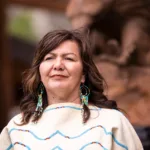
Jen Loren, senior director of Cherokee Film from the Cherokee Nation in Tulsa, Okla., served as a consultant on the documentary. She notes that Indigenous advisors were engaged early and that Burns’s production avoided lumping all Native Americans together. Instead, she says, The American Revolution presents leaders and diplomats of sovereign Native nations in parallel with the French, British and Americans.
The series also acknowledges the historical displacements that followed. Loren points out that the Cherokee Nation was displaced from their homelands in the southeastern United States, the Carolinas and Georgia in the 1700s by the Indian Removal Act. She adds that it is the largest tribe in the United States, with 460,000 plus citizens. While Loren welcomes the inclusion, she cautions that progress is uneven, stating that while it is positive to be included, the broader landscape of film and media still has “a long ways to go.”
Featured figures and contested language
The documentary’s treatment of Joseph Brant anchors a broader discussion about how Indigenous leaders were perceived and represented in their own time. By foregrounding Brant’s numerous historical portraits, Burns aims to counter pejorative depictions and emphasise his authority. This choice interacts directly with the language of the Revolutionary era, including Jefferson’s description of “merciless Indian savages.” Burns invites viewers to weigh such rhetoric against Jefferson’s earlier affirmation that “all men are created equal,” and to consider the work necessary to reconcile those ideas with the lived realities and sovereignty of Indigenous nations.
Meanwhile, the observation that Washington frequently used the term “empire” offers another lens on the aims of revolutionary leaders. The series suggests that such language cannot be separated from the presence of existing nations that already governed those lands, and that any narrative of American expansion must contend with the sovereignty and agency of the people already there.
Educational implications and public understanding
Burns remarks that it is striking how little of this history is routinely taught in schools. The series is positioned as a corrective to that omission, encouraging educators and audiences to situate the Revolution within a continental network of Indigenous polities, alliances and rivalries. The production’s emphasis on economic and diplomatic roles is designed to move beyond reductive battle maps and dates, foregrounding decision-making by Indigenous leaders whose choices and alliances significantly shaped outcomes.
By integrating those perspectives throughout rather than confining them to sidebars, the series seeks to normalise an approach that treats Indigenous nations as central historical actors. That, in turn, supports the consultants’ calls for more nuanced depictions across media and education and aligns with Hill’s and Loren’s emphasis on sustained, respectful inclusion.
Timeline and release
The American Revolution airs this week on PBS. The series’ development spanned almost a decade, during which Burns and his team assembled archival materials, expert interviews and consultation with Indigenous advisors. Episode 1’s focus on the Haudenosaunee Confederacy’s influence on Franklin frames the early colonial period, while subsequent instalments chart the widening conflict, the competition for Indigenous land, and the diplomatic manoeuvring among more than two dozen European and Native American nations.
Burns ties his long-standing interest in accuracy to formative experiences, including his grandparents’ discovery of Native American artefacts and the map above his childhood bed showing the territories of 300 Indigenous nations. Those touchstones, he suggests, reinforced a basic editorial principle: narratives of the American past must include the peoples who shaped it, from the outset and in their own words. As he summarises his approach, engaging Native American stories is not optional; it is “it’s just required.”
Source: CBC News (https://www.cbc.ca/news/indigenous/ken-burns-american-revolution-9.6988028?cmp=rss), used for discovery. Facts verified, wording original.