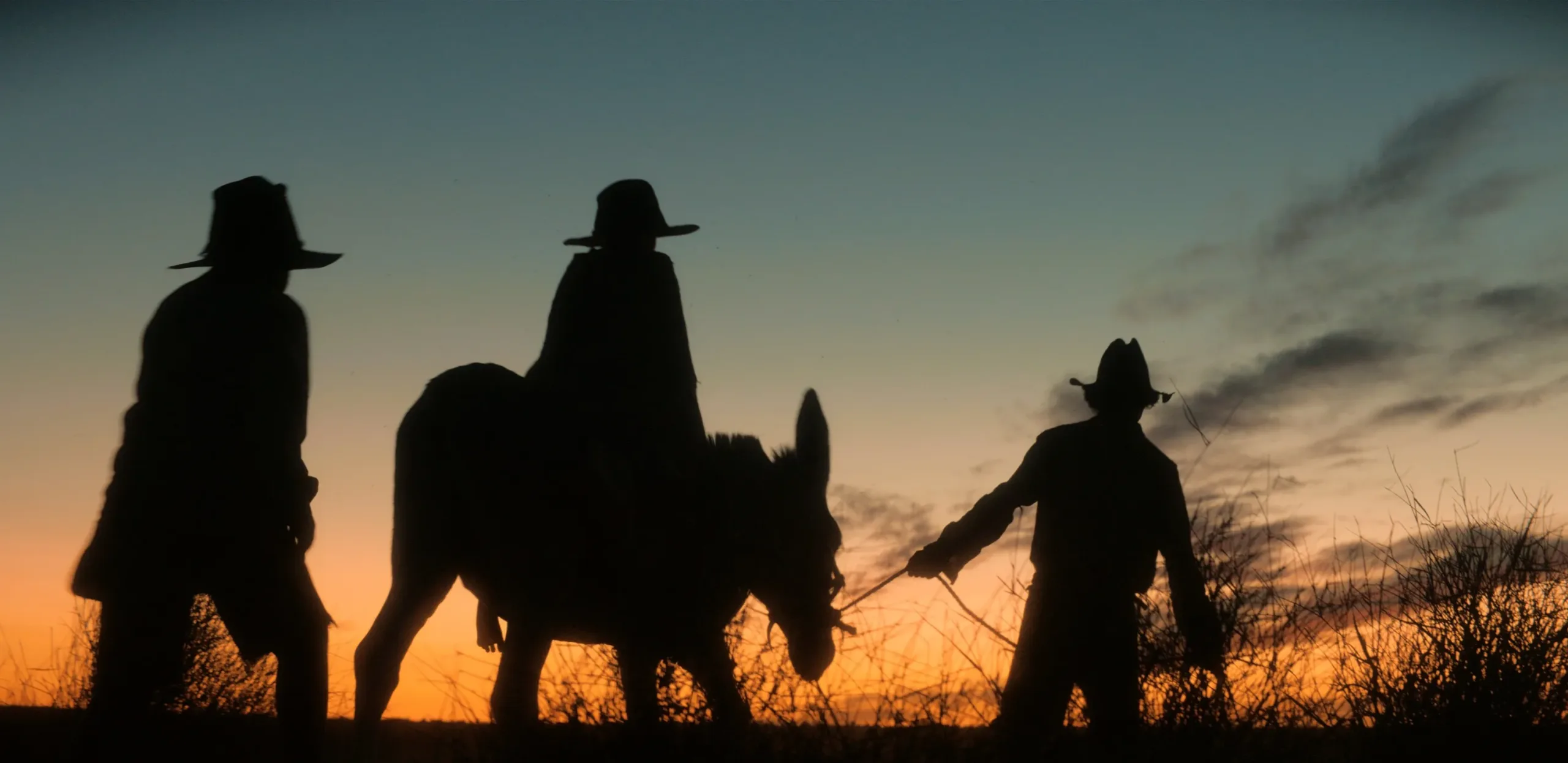
Mixed reaction to Warwick Thornton’s Wolfram move
MOVIE REVIEW
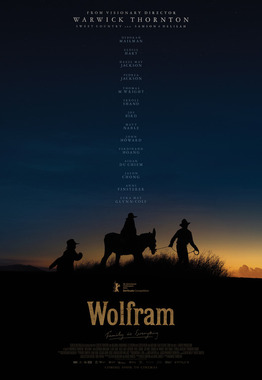
Set some five years after Sweet Country, Warwick Thornton’s latest outback movie Wolfram continues the frontier story.
It serves as a loose sequel to his acclaimed 2017 film Sweet Country with the plot moving to 1932 as it follows a group of Aboriginal characters, including two child miners and a young man named Philomac, as they navigate colonial violence and attempt to reunite with their mother.
After meeting the child miners Max and Kid, Philomac decides they should escape their white masters’ brutality by running away into desert country.
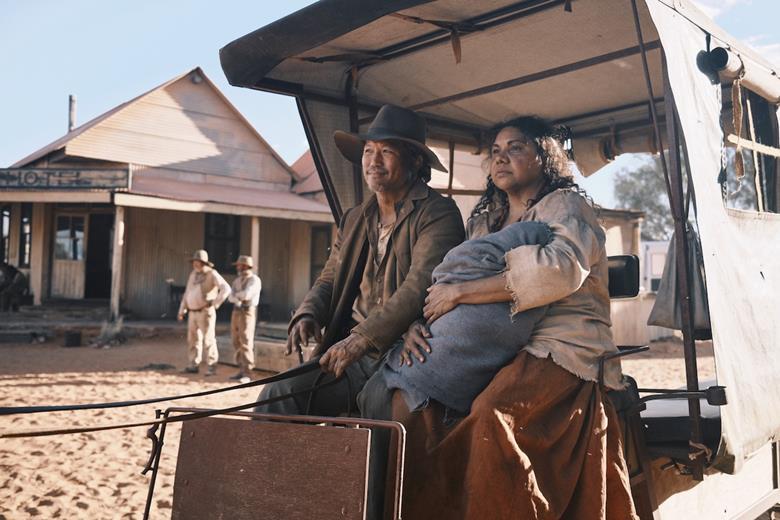
Reviews from the Berlinale Film festival has praised its stunning cinematography and “ravishingly bleak” atmosphere but have criticised a sluggish narrative or “flat” script.
At the centre of the film is the practice of mining wolfram, or tungsten – which here involves child labour, with small children lowered into holes in the ground or entrusted with dynamite.
The film follows the wanderings of two such waifs, Kid (Eli Hart) and Max (Hazel May Jackson), whose much-abused mother Pansy (Australian screen regular Deborah Mailman) has escaped with her baby and a friendly Chinese worker, and is heading for Queensland.
There’s some excellent acting, not least from the children and from Jackson, with some sharp character turns, notably from John Howard and Anni Finsterer as denizens of Henry who have seen it all.
Visually, the film is mesmerising, with Thornton’s imposing widescreen camerawork capturing the sweep of seemingly endless landscapes, and the predominance of the red dust that has penetrated everyone’s clothing.
The sense of oppressive heat is palpable in lens flares that sometimes engulf the entire screen, and in the constant buzz of flies, sometimes seen in dense swarms, making for an intense quasi-tactile experience.