IBA sharpens focus on the Indigenous economy
Indigenous Business Australia has launched the Office of the Indigenous Economy to create a structured, ongoing system to measure Indigenous-led economic activity across Australia.
The move responds to sector shifts toward ownership, equity and asset development, and aims to replace fragmented estimates with consistent and comparable data.
Key Points
- Indigenous Business Australia establishes the Office of the Indigenous Economy
- Unit aims to standardise data and move beyond fragmented measurement
- Focus includes investment flows, demographics and productivity indicators
- Work toward a formal Indigenous GDP aligned with national frameworks
- Partnerships include ABS and an expert advisory panel
- Data intended to guide policy, investment and business financing
The new office is intended to bring greater clarity to the scale and composition of Indigenous economic activity. According to Indigenous Business Australia, governments, investors and industry have faced difficulty assessing the sector due to a lack of standardised data.
The office will be tasked with monitoring and publishing information that allows regular tracking and comparison. Over time, the initiative is expected to support a more formalised approach to measuring the Indigenous economy within national frameworks.

In the long term, the office is expected to contribute to the development of a formal measure of Indigenous GDP. The aim is closer alignment with established national economic frameworks, reinforcing the visibility of Indigenous-led activity within broader economic accounts.
Strategic intent and capital markets
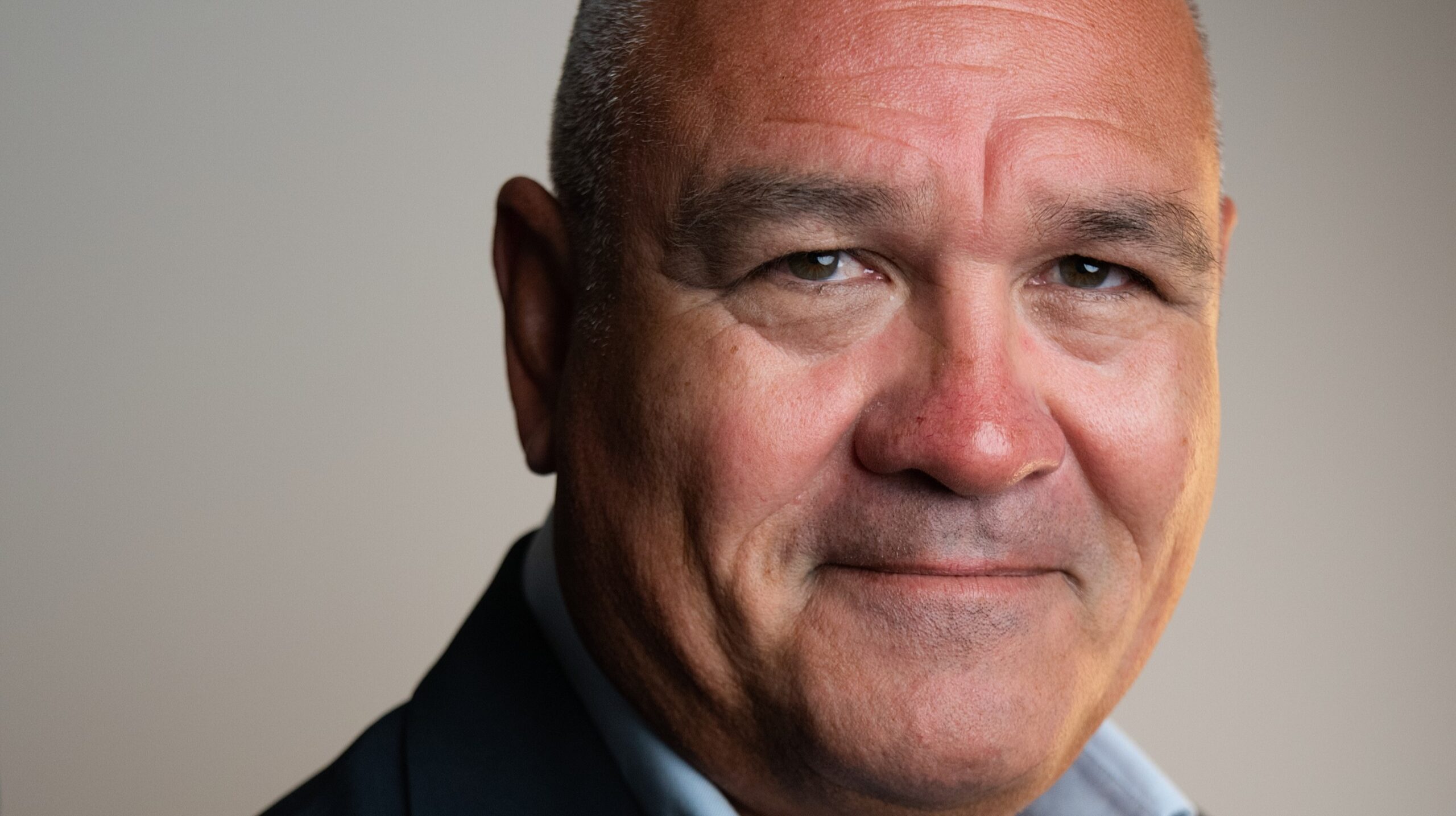
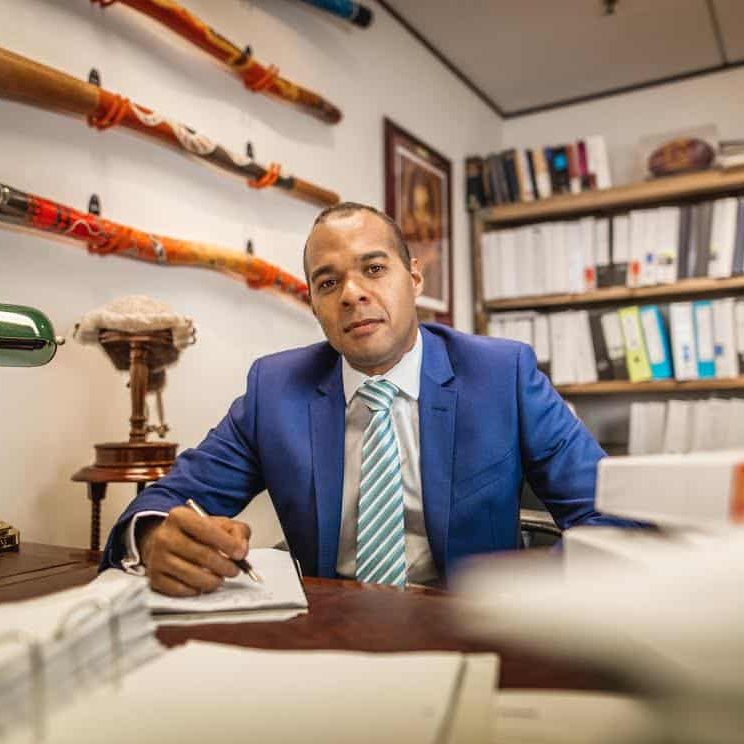
For IBA Chair Darren Godwell, the initiative aligns with a broader effort to strengthen Indigenous participation in capital markets.
“The Office of the Indigenous Economy is designed to collate and publish critical economic data that details Indigenous people’s contributions to the Australian economy,” he said.
Previous commentary has pointed to ownership, access to finance and long-term asset growth as central to the next phase of development for Indigenous businesses. The office’s work is intended to provide the data foundation to support that progression.
For Indigenous businesses, better measurement is expected to support efforts to secure financing and to participate in larger-scale projects. This is particularly relevant where equity positions and long-term returns are objectives. With clearer and more consistent data, proponents and investors may approach opportunities with improved understanding of sector dynamics and potential outcomes.
What the Office will produce
Core outputs
- Regularly published data on the size and composition of the Indigenous economy
- Indicators covering investment flows, demographic trends and productivity
- Frameworks to interpret and apply the data across policy and markets
- Foundational work toward a formal measure of Indigenous GDP
The inaugural Advisory Panel members are:
- Ms Vanessa Elliott AM – Jaru woman (WA), Director of Northern Australia Infrastructure Facility
- Professor Deen Sanders OAM – Worimi man (NSW), Deloitte Access Economics Special Counsel
- Professor Kerry Arabena – descent of the Meriam people of the Torres Strait, Managing Director at the Karabena Group
- Mr Alan Oster – former Chief Economist at National Australia Bank
- Professor Doug McTaggart – IBA Board Director and former CEO, Queensland Investment Corporation, and Under-Treasurer in Queensland Treasury
- Mr Darren Godwell – Kokoberren (QLD), IBA Chairperson and CEO of Indigenous firm i2i Global.
IBA has also announced that the Chief Economist will be Dr Siddharth Shirodkar.
Dr Siddharth has worked as an economist and academic in public policy for almost two decades, applying his expertise to strengthen data analysis, policy, innovation and economic opportunity for First Nations people.
A recipient of the Sir Roland Wilson Scholarship, in 2021, Siddharth completed a PhD at the Australian National University looking at the pathways and barriers into business ownership for First Nations people.


- AFL / AFLW
- Arts
- Athletics and Olympics
- Business
- Conditions and Research
- Culture
- Elections
- Employment and Careers
- Enterprise and Startups
- Entertainment
- Events and NAIDOC
- Fashion
- Film and TV
- Food
- Government and Policy
- Grants and Funding
- Health
- Healthcare and Services
- Heritage and History
- International
- Language
- Lifestyle
- Mental Health and Wellbeing
- Music
- News
- NRL and Rugby League
- Olympics
- Opinion
- Other Sports
- People and Profiles
- Podcast
- Politics
- Property and Land
- Sports
- Technology
- Travel
- Treaty and Truth-telling
- Voice and Referendum