Legal system a ‘jailing machine’, prisons like ‘gulags’
By DUNCAN MURRAY
A veteran barrister with decades of experience in the Northern Territory says its court system has become a jailing machine and the prisons like “gulags”.
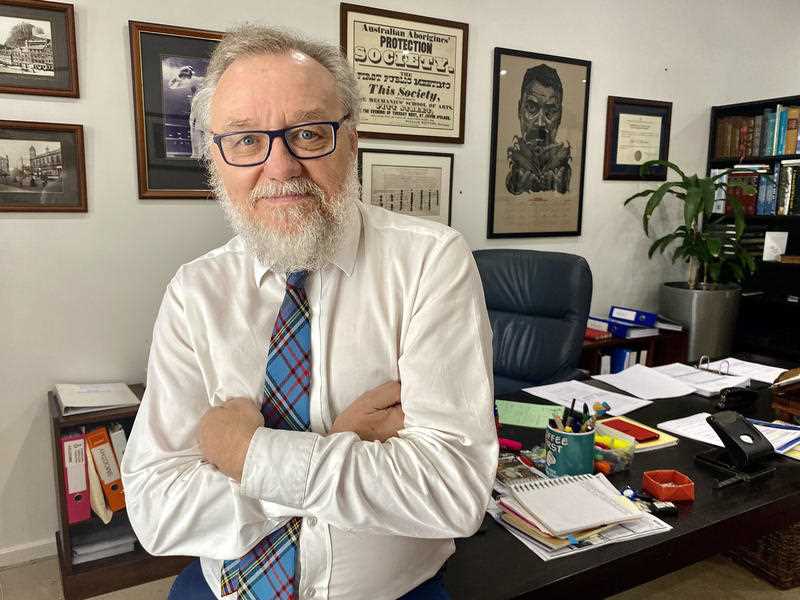
“Make no mistake, this legal system up here now has become … a jailing machine,” long-time Northern Territory barrister John Lawrence told an inquiry into racism, hate and violence towards Indigenous Australians this week.
Over almost 40 years practising law in the territory, Mr Lawrence said he had witnessed the rule of law eroded to the point it was unrecognisable with the prison experience for many including long stretches in isolation or massive overcrowding.
“What we have now is a gulag – a massive gulag,” he said.
Set up in March, the inquiry is probing systemic racism, the influence of online platforms and initiatives aimed to combat racism.
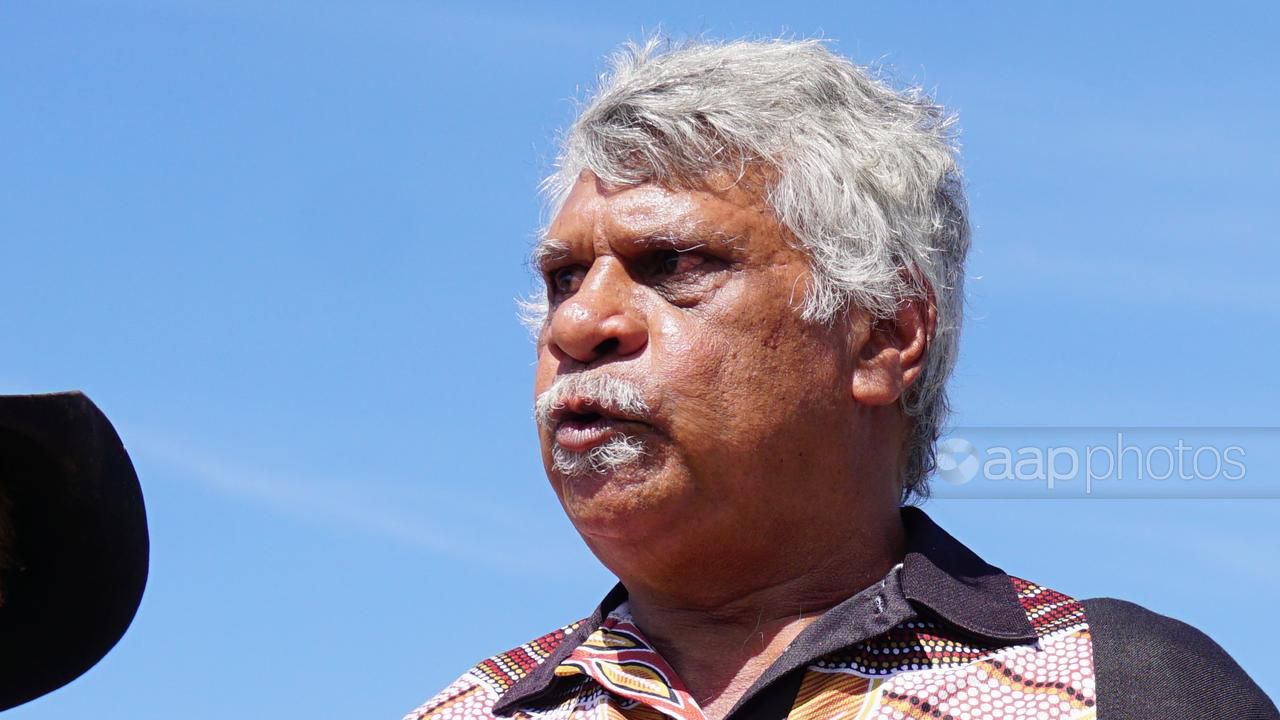
Eric Fejo has criticised the NT government for jailing children as young as 10. (Annette Lin/AAP PHOTOS)
Larrakia man and community leader Eric Fejo also did not hold back while addressing the committee, calling recidivism rates a national disgrace.
Mr Fejo was heavily critical of the conduct of the NT government, which lowered the minimum age of criminal responsibility to 10.
“Scum of the earth locking up 10-year-old kids. What type of person does that?” he said.
Mr Fejo noted it was the third Senate Inquiry he had appeared at, saying those with the power to make change preferred to live in an illusion.
Tangible impacts on Indigenous people
“I know what you mob get paid. You mob need to do your job,” he said.
Racism in the health and education systems also had tangible impacts on Indigenous people, creating interconnected systems of disadvantage and struggle, the inquiry heard from other witnesses.
Aboriginal Medical Services Alliance of the NT chair Rob McPhee said racism created an atmosphere where people were less inclined or able to take care of themselves.
“It affects the way you make decisions about the food you eat, the alcohol you drink, your behaviour, all becomes impacted from the way you perceive yourself,” he said.
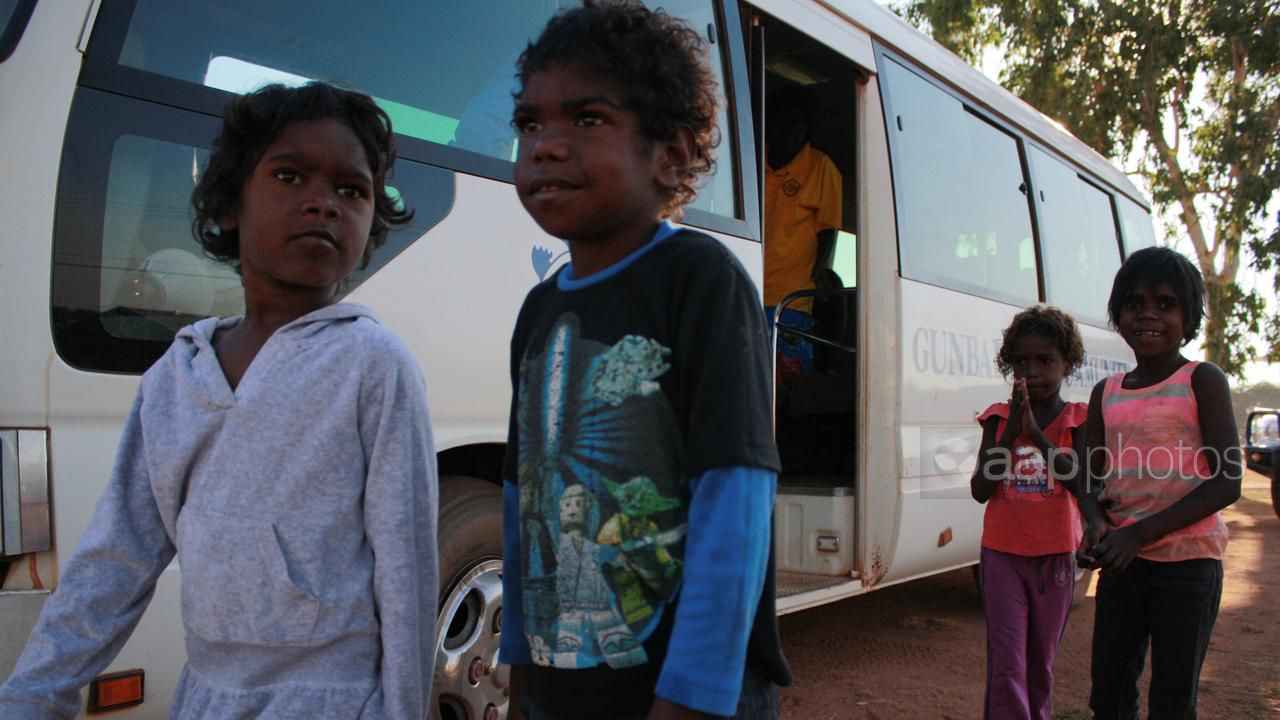
Some Indigenous children start school in the Northern Territory unable to speak English. (Neda Vanovac/AAP PHOTOS)
Many young Indigenous people start school unable to speak English and with few options offered for a bilingual education, Association of Teachers of English to Speakers of Other Languages executive Fran Murray told the inquiry.
Bilingual education was often misunderstood as preferencing native languages over English but it simply meant teaching a curriculum through a language children understood, she said.
“Every child has the right to understand what is being taught,” Ms Murray said.
“Our Indigenous language-speaking children in the NT are currently denied that right.”
aap