Justice through a stethoscope – a call to action
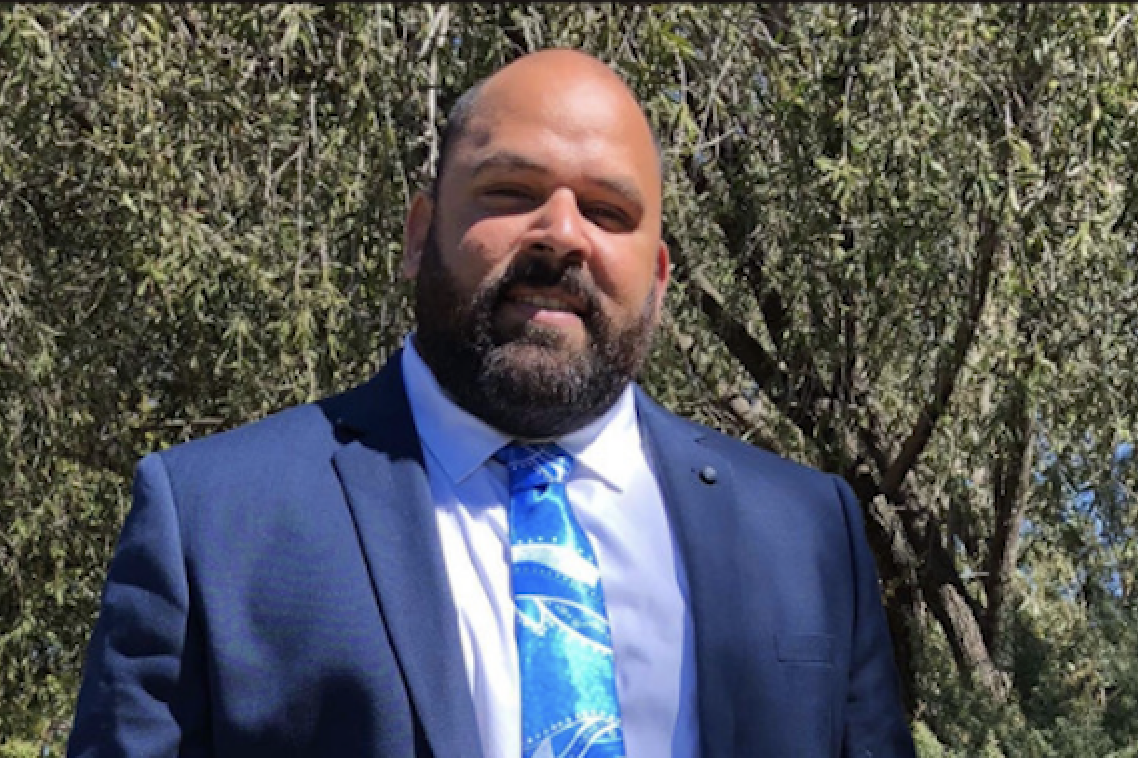
By FRANCIS NONA
Climate change is widely recognised as a threat to global human health.
In Australia, Aboriginal and Torres Strait Islander peoples are disproportionately affected by direct and indirect health consequences: extreme weather events (heatwaves, bushfires, floods, storms, cyclones and drought); worsening disparities in food security, safe drinking water and air quality; and exposure to vector-borne and infectious diseases.
These impacts compound existing inequities and demand urgent systemic responses, including from the health system.
The burden of disease among Aboriginal and Torres Strait Islander peoples is 2.3 times that of non-Indigenous people, with much of the gap driven by social determinants, such as housing, employment, income and education.
Laws influence society
Yet, determinants central to Indigenous well-being, such as ‘access to traditional homelands’ and ‘caring for Country’, remain absent from national reporting.
Reflecting this narrow framing, the Lancet–O’Neill Institute Commission on Global Health and Law identified law as an important but under-acknowledged determinant of health.
Laws influence every aspect of society and health from governing individual lives, states and corporate entities.
The Commission advocates for greater legal literacy among health professionals, many of whom may not recognise the role of law in driving social and behavioural change.
Doctors for the Environment Australia (DEA) exemplify the profession’s capacity to engage with upstream determinants of health.
Medical doctors in the Torres Strait have similarly called for stronger climate action in response to impacts already affecting communities.
More recently, the Australian Commission on Safety and Quality in Health Care, endorsed by the Australian Indigenous Doctors’ Association, recognised the need for climate-responsive models of care and workforce development.
Yet, without systemic action to reduce emissions, health burdens will continue to rise, falling hardest on communities already vulnerable from colonisation and environmental injustice.
Strategic Climate Litigation as a Public Health Issue
Strategic climate litigation is one upstream intervention. Globally, and increasingly in Australia, it is used to hold governments and corporations accountable for climate-related health harms.
These cases are unique in that they are acting not just on accountability for harm; they are also demanding a duty of care in response to fossil fuel expansion. A recent Australian example is the DEA case, which sought to reduce emissions on the basis that ‘climate change is already hurting people and making them sick.
As clinicians, DEA members are treating the impacts of climate on health in our daily work’.
Indigenous-led cases show how climate change intersects with cultural survival, systemic injustice and community well-being.
Far from isolated events, they are part of a broader movement expanding accountability in legal institutions and advancing self-determination, legislative reform and environmental justice.
These actions are reshaping legal institutions by opening courtrooms to stories, artwork and on-Country evidence, transforming evidentiary norms to be more inclusive and less colonial.
In Tipakalippa v NOPSEMA and Pabai Pabai v Commonwealth, courts accepted on-Country testimonies.
In Green and Ors v Minister for Mining and Industry, Gudanji Traditional Owner Josephine Davey Green, Garawa Elder Jack Green and the Environment Centre Northern Territory (NT) challenged the NT Government over Glencore’s McArthur River mine expansion.
Indigenous worldviews
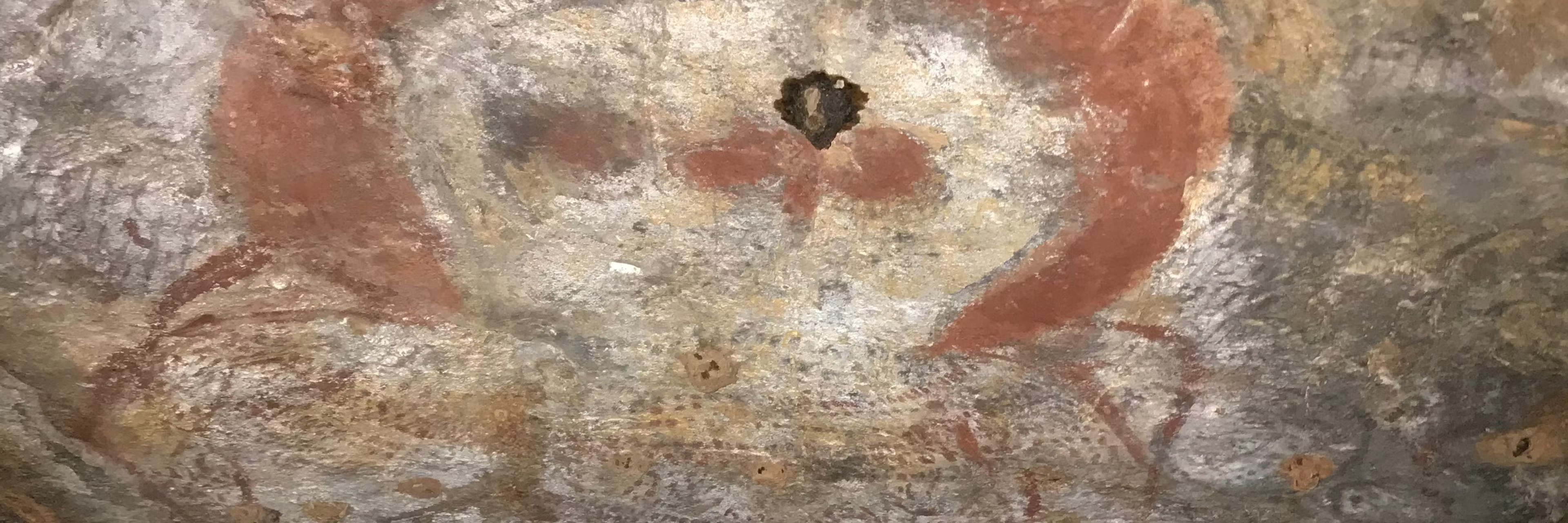
Elder Jack Green submitted his paintings as evidence: a decade-long record of the mine’s damage inflicted on Country, lore and community. His work was also submitted to the Joint Standing Committee during its inquiry into the destruction of Indigenous heritage sites at Juukan Gorge.
These cases are a few of the many examples that demonstrate how institutions are being transformed through the inclusion of Indigenous worldviews.
Torres Strait Islander-led litigation is breaking new ground. In 2019, eight Torres Strait Islanders brought a landmark complaint against the Australian Government to the United Nations Human Rights Committee (Daniel Billy and Others v Australia), arguing that climate inaction violated their rights to culture, family life and protection from environmental harm.
The arguments on the impacts of climate change on health arose in connection with right to life on the basis of impacts on food security, safe drinking water and mental health (stress from displacement and cultural loss).
In 2022, the Committee agreed, finding Australia in breach of its human rights obligations.
In 2021, two community leaders, Uncle Pabai Pabai and Uncle Paul Kabai, brought a domestic case (Pabai Pabai and Kabai v Commonwealth) to the Federal Court, seeking to hold the government accountable under Australian law for failing to prevent climate harm. In July 2025, the case was dismissed.
While acknowledging the ‘bleak future’ facing Torres Strait Islanders, the Court ruled that current legislation does not provide the opportunity to redress the present and future harm caused.
For medical professionals, the law must be central to protecting the environment and climate on which human health depends.
In what follows, we explore how these legal shifts are relevant to medical professionals and what it might mean to hear the pulse of justice through the stethoscope.
Lessons for Medicine: Becoming Pre-Emptive Listeners
Medical professionals do not need to become legal experts. But without attention to legal determinants, health systems remain reactive, treating downstream effects of injustices that could be addressed upstream.
Climate change requires that medicine respond not only to crises but also to causes. For Aboriginal and Torres Strait Islander peoples, climate harms are here now, evident as illness, displacement, grief and disconnection.
We call on medical professionals to expand their advocacy in two ways: through listening and allyship.
Listening to the Voices of Indigenous Elders and Communities
In First Nations cultures, listening requires more than hearing. Take for example, dadirri, a practice of deep listening that belongs on Country with Ngan’gikurunggkurr people from the Daly River region in the NT.
Listening is cultural, and everyone has a way of listening. How do you listen: to learn, to respond, to be changed?
Whose perspective shape what you hear? How are future clinicians being trained to listen, and whose perspectives are being privileged?
For Aboriginal and Torres Strait Islander peoples, listening is not simply a communication skill but a relational responsibility rooted in cultural and ecological knowledges.
Courts are beginning to listen more inclusively through stories, artworks and on-Country hearings. We invite medicine to do the same.
Disciplines shape what is considered a ‘problem’ or ‘patient’, and expanding these limits broadens what is understood as relevant in clinical care.
When medical professionals listen—widely, deeply and with humility—there is room to not only respond to harm but also work in solidarity with those seeking to prevent it. Such listening may open pathways for partnerships with Indigenous-led movements, structural advocacy and the integration of legal and cultural literacy into medical practice.
Acting in Allyship
Upholding Indigenous rights is also an act of planetary health.
Allyship takes many forms: becoming legally literate clinicians who stand alongside climate-impacted communities; using clinical authority, including expert testimony, to amplify those most affected; and supporting initiatives that strengthen communities’ connections to Country.
This may be through on-Country health services, prevention programs grounded in traditional food systems, or land stewardship.
It could also include advocating for the priorities of organisations such as the Australian Indigenous Doctor’s Association.
The medical profession holds a unique position of public trust, built on its ethical commitment to do good and avoid harm. Upholding this commitment, enshrined in the Hippocratic Oath, requires not only clinical care but also using this trust and credibility in service of justice.
Therefore, we ask clinicians to consider who benefits from their privileged position of public trust and credibility.
First Nations justice is central to climate justice. As the United Nations Environment Programme report has noted, litigation can carry emotional, cultural and community burdens for Indigenous peoples, which extend well beyond the courtroom.
Supporting and resourcing frontline communities, including Elders and Traditional Owners, ensures Indigenous-led processes continue to drive change.
Next Steps
Medicine cannot wait for the impending climate crisis. Global fossil fuel emissions must plummet now to avoid the enormous dangers of a 2°C–3°C warmer world.
This article is a call to action. As trusted messengers with ethical scaffolding, medical professionals can engage with Indigenous-led advocacy, respect Indigenous knowledge systems and see climate justice as inseparable from health justice.
To hear justice through the stethoscope is to expand the practice of medicine towards allyship with Indigenous communities, pre-emptively listening and advocating for the legal conditions necessary for health.
- Francis Nona is a Torres Strait Islander (Zenadth Kes) man and public health academic at the Queensland University of Technology.