Indigenous knowledge helps reduce impact of bushfires, floods and cyclones
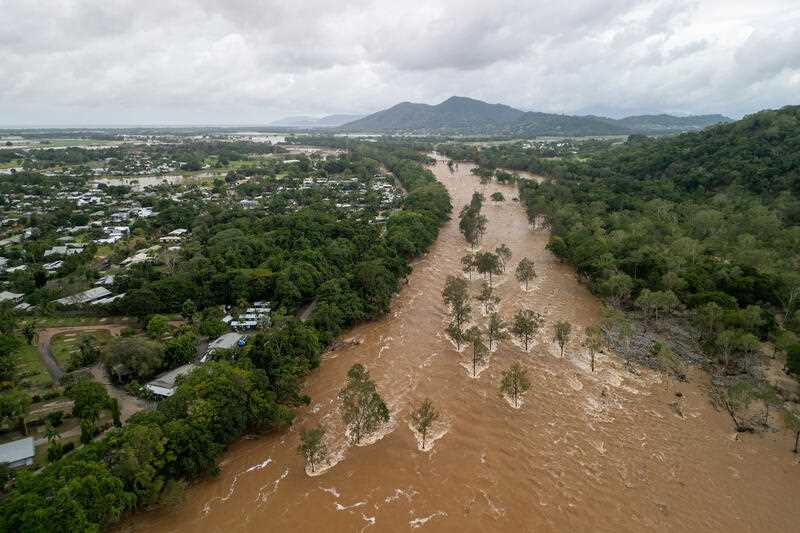
Australia is facing devastating weather emergencies across the country, including bushfires, flooding and tropical cyclones.
Indigenous communities, with a unique connection to the land, are also uniquely affected by environmental disasters and often face greater risks.
Indigenous peoples often face extensive physical and spiritual displacement from their Country, and are usually not adequately consulted during evacuation procedures.
Communities affected
This summer has so far seen Aboriginal communities in Queensland, New South Wales and Victoria affected, including Yarrabah, Palm Island, Hope Vale, Wujal Wujal, Cape and Gulf communities in northern Queensland impacted by ex-Tropical Cyclone Koji, and many Aboriginal communities in eastern and northern Victoria and East Gippsland affected by widespread fires.
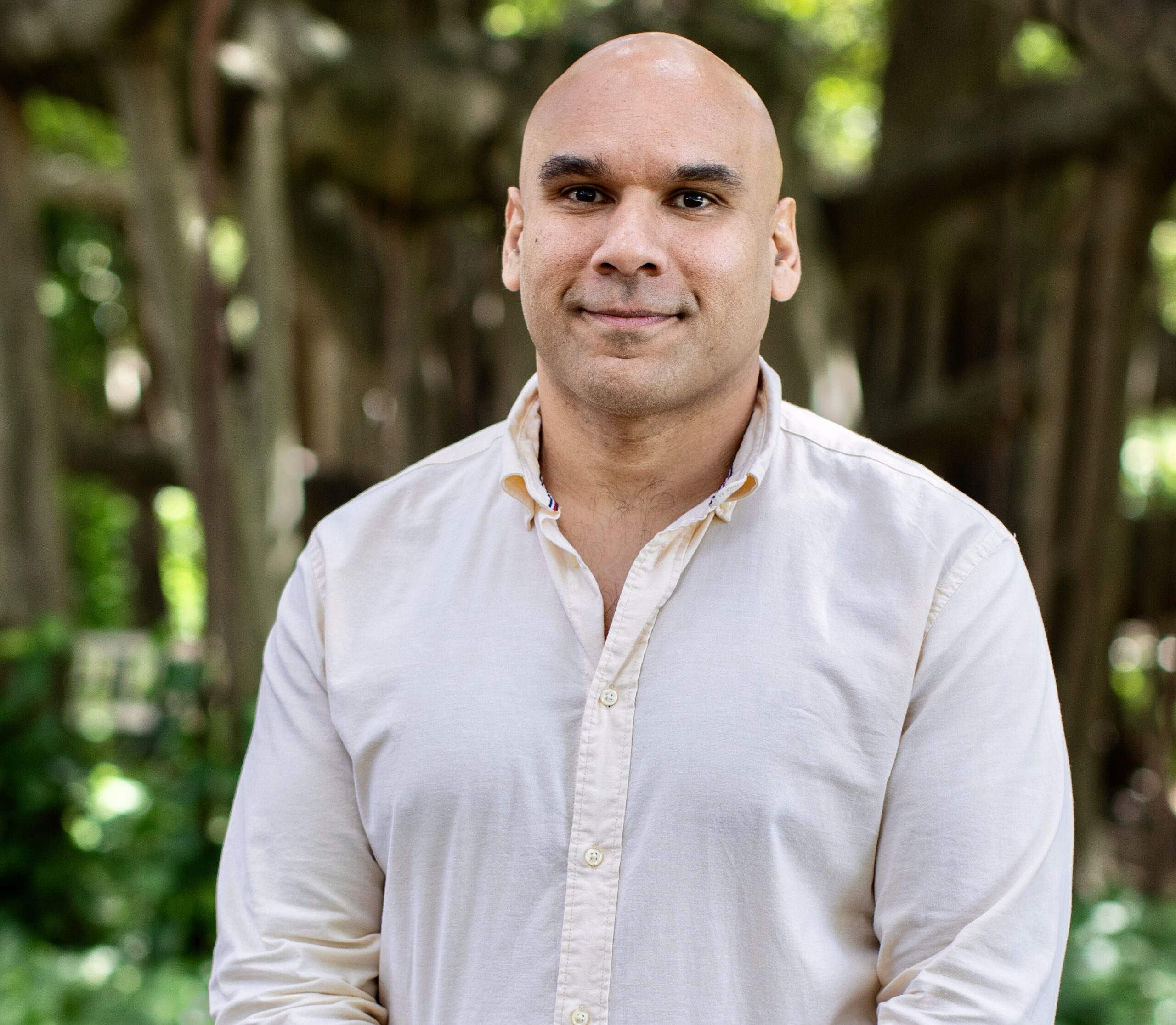
Professor Bhiamie Williamson, National Indigenous Disaster Resilience program lead at Monash University.
As the season progresses, weather emergencies are likely to spread to other states.
“Indigenous peoples have enormous capacity to make Australia more resilient to the climate crisis, as we have an extraordinary database of cultural knowledge reaching back to ancient climate change events,” Professor Bhiamie Williamson, National Indigenous Disaster Resilience program lead at Monash University, said.
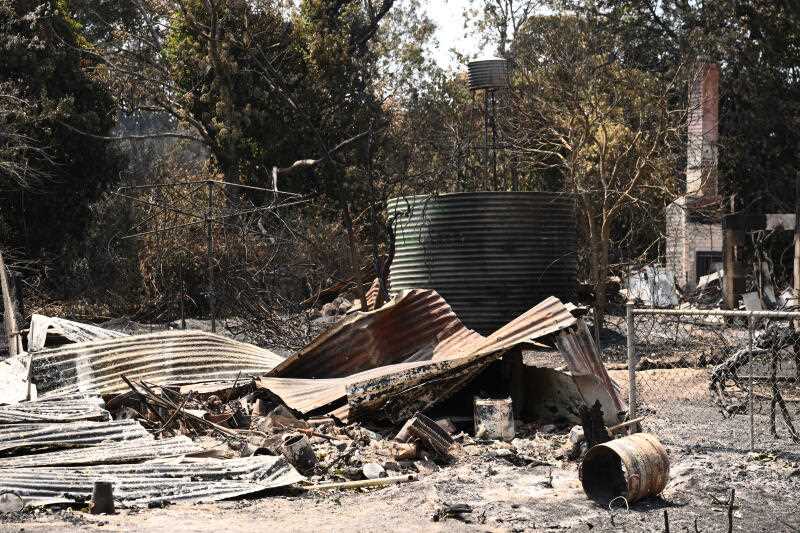
Damaged property in the bushfire affected town of Ruffy in Victoria.
Indigenous knowledge
“Emergency planning laws have historically been made without regard for the unique interest of Indigenous peoples. This means that in contemporary disasters, Indigenous interests are not known and cannot be accounted for, which creates additional risks for groups.”
When it comes to keeping all Australian communities safe by reducing hazard risk and managing the environment holistically, Indigenous knowledge of managing the environment should be considered a viable and valuable resource.
However, doing this would require investment, resources, and a willingness to support broader aspirations of Indigenous groups.