Indigenous knowledge gives endangered marsupial a chance
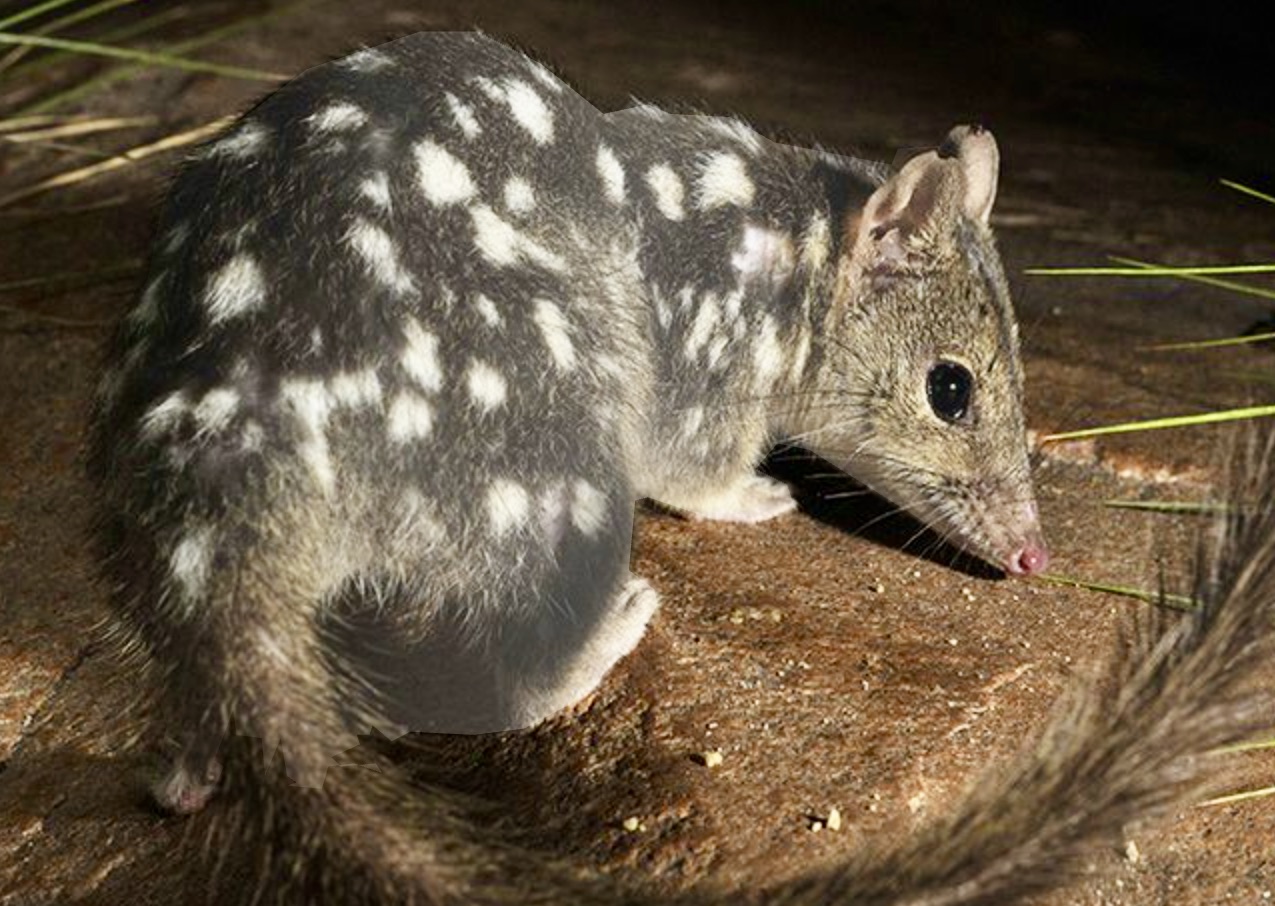
A study by the Martu people of Western Australia has shown that integrating Indigenous cultural and ecological knowledge with Western science can strengthen conservation efforts for the endangered northern quoll, filling critical gaps in the species’ recorded history.
At least 40 terrestrial mammal species have been lost in Australia since European colonisation, underlining the urgent need for new conservation approaches like the one this study presents.
“Indigenous lands are home to many threatened species, often in areas that are inaccessible to outsiders,” Harry Moore, a research scientist at the Department of Biodiversity, Conservation and Attractions, said, highlighting why Indigenous-led conservation is so critical.
A study published in Wildlife Research, led by the Martu people, has demonstrated how Indigenous cultural and ecological knowledge can fill historical gaps that Western science has missed.
Using knowledge-sharing sessions with Martu elders, the research reconstructed a historical baseline for the northern quoll in areas previously undocumented by modern science.
The study shows that combining Indigenous knowledge with contemporary conservation strategies can produce more effective, culturally informed approaches to protecting the species.
For the first time, a scientific study of the northern quoll in the Western Desert was led by the Indigenous community whose lands the species inhabits, setting a new standard for collaborative conservation.
Martu elders provided historical records of the quoll’s presence that Western science had no documentation of, effectively expanding the known range and history of the species.
The Martu lands are currently considered the largest and most intact mainland stronghold for northern quolls — a population that remains free from the devastating cane toad invasion affecting other regions.
Restoring traditional burning practices, shown by the study to have supported quoll populations in the past, offers a concrete and proven tool for protecting not just this species but many others across Australia.
Empowering Indigenous ranger teams to lead this kind of research ensures that irreplaceable cultural and ecological knowledge is preserved and actively applied to conservation for generations to come.
Martu rangers and the Kanyirninpa Jukurrpa corporation will continue managing the lands that serve as the northern quoll’s last major mainland stronghold.
Researchers hope this study inspires more collaborations between Indigenous communities and Western science institutions across Australia.