Gut health of Indigenous infants a blueprint to Closing the Gap
Despite facing some of the highest rates of chronic disease later in life, a new study has found remote First Nations Australians are born with a natural health advantage: a rich and diverse gut microbiome.
The natural health advantage was uncovered through a study conducted by WEHI in collaboration with The Peter Doherty Institute for Infection and Immunity (Doherty Institute) and Elders in the Northern Territory, that compared the gut bacteria of Indigenous and non-Indigenous infants.

The findings provide a crucial blueprint for future studies to better understand how to prevent westernisation from eroding this strong marker of early-life health, and why First Nations Australians are over-represented in chronic diseases despite this healthy start.
At a glance
- Landmark study reveals Indigenous infants in remote Australia are born with more diverse gut bacteria – a key marker of early-life health – than non-Indigenous infants living in urban Australia.
- Indigenous infants were also found to have bacteria that have completely disappeared from non-Indigenous populations, highlighting how Westernisation can impact health outcomes.
- The findings provide a critical foundation for further studies looking at ways to prevent Westernisation from eroding the natural gut health of Indigenous Australians.
Chronic diseases, like heart disease and diabetes, disproportionately affect Aboriginal and Torres Strait Islander peoples and are a leading cause of death in these communities.
Healthiest Australians
These chronic disorders have been linked to Westernisation, particularly processed diets high in sugar, fats and additives.
In non-Indigenous communities, Western diets have been shown to reduce the diversity and composition of the gut microbiome – the trillions of micro-organisms that live in our digestive system which are essential for our health.
But in remote Indigenous communities, it remains unknown whether such changes are present in early life, are transmitted across generations, or are acquired throughout adulthood.
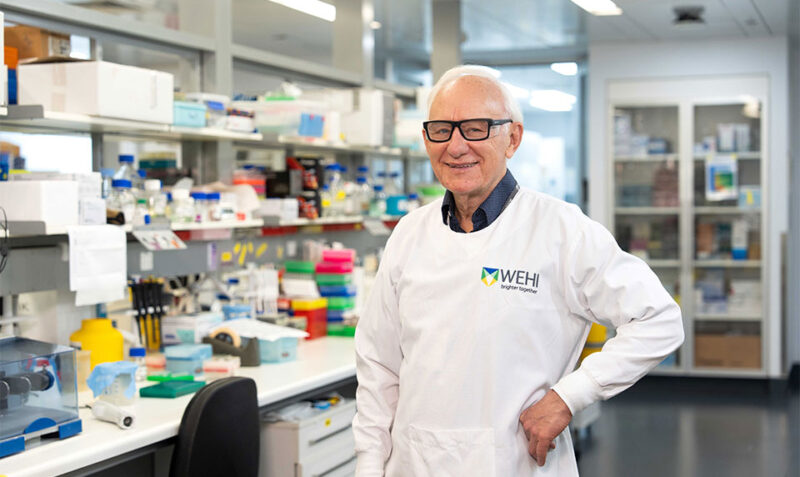
Study lead, Professor Leonard Harrison.
Study lead, Professor Leonard Harrison, said his team’s findings address this knowledge gap by showing Indigenous infants aren’t born with a gut microbiome associated with chronic disease.
“Indigenous infants start life as some of the healthiest Australians, but statistics show this drastically changes over time,” Prof Harrison said.
“The richer and more diverse a person’s gut microbiome is, the less chance they have of developing chronic diseases.
“Our team wants to learn how we can preserve the remarkable gut microbiome First Nations Australians are born with and protect them against developing chronic diseases later in life.
“Preserving this natural health advantage that we now know they are born with would be a major step in closing the health gap.”