FRRR deepens commitment to First Nations leadership
A renewed focus on First Nations leadership, self-determination and locally led solutions is a core element of the Foundation for Rural & Regional Renewal’s newly launched Western Australia strategy, unveiled in Perth earlier this month.
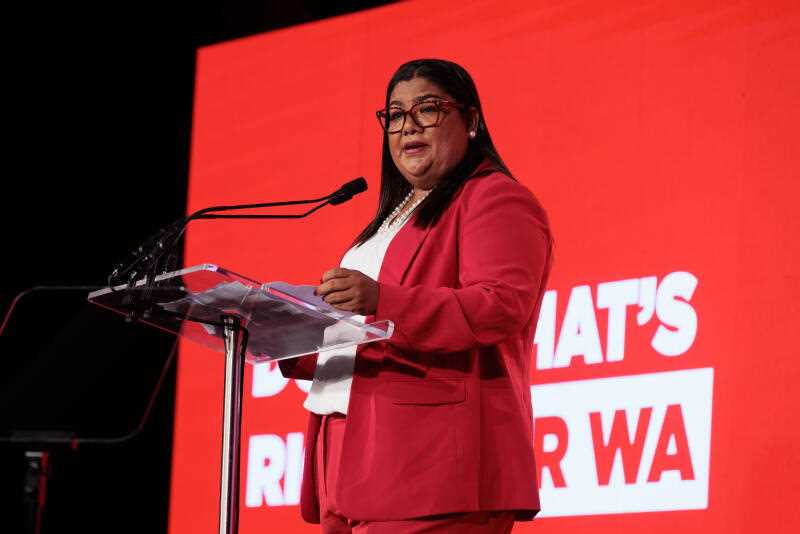
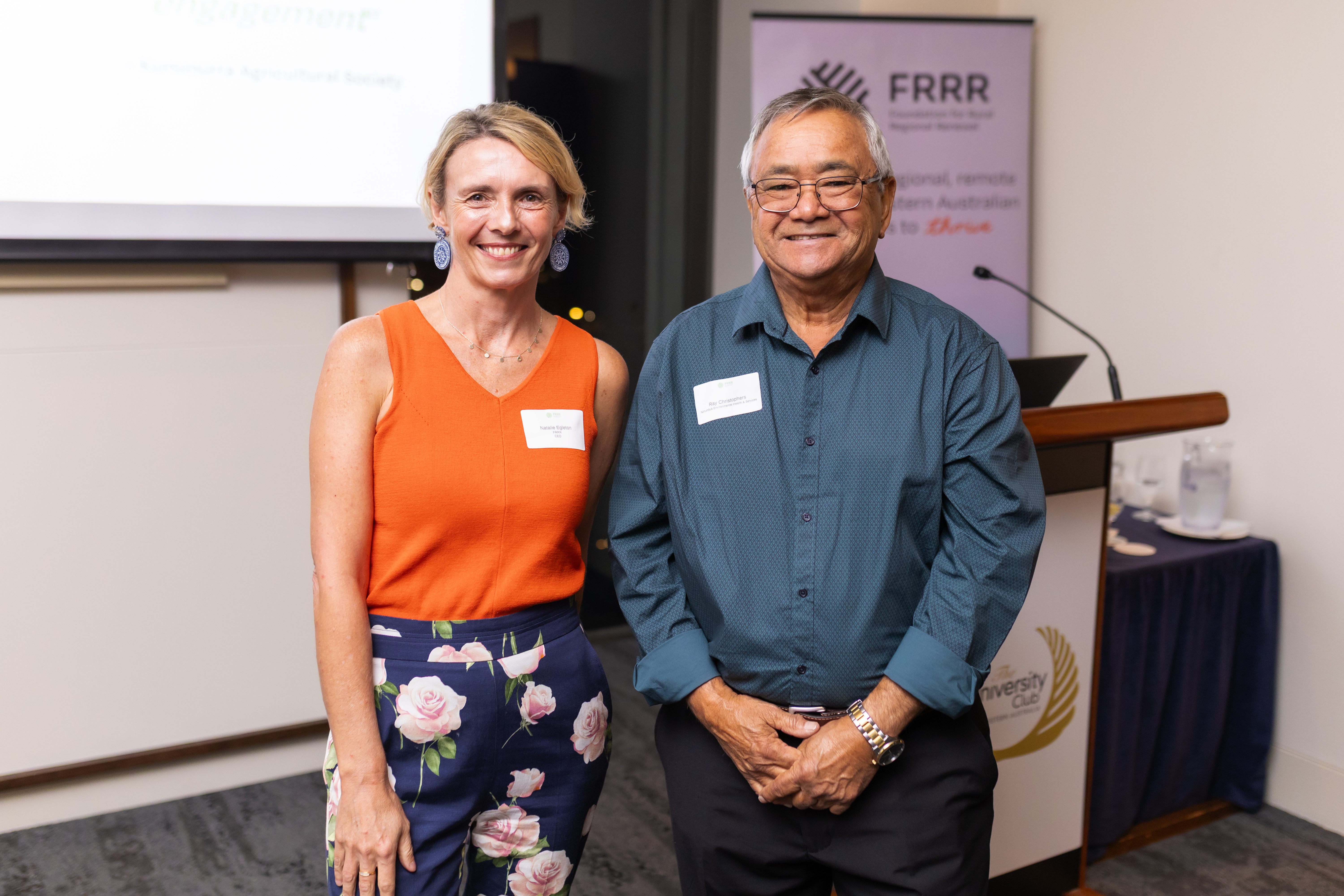
The strategy, launched by FRRR Chair, Sue Middleton, and CEO, Natalie Egleton, builds on more than 25 years of investment in WA communities and signals a deeper, long-term commitment to walking alongside First Nations communities in remote and very remote regions.
FRRR has invested nearly $11 million into over 1,000 projects across Western Australia since 2000, with a growing share directed toward remote Aboriginal communities facing systemic inequity and limited access to flexible funding.
Backing First Nations leadership and self-determination A central pillar of the new strategy is strengthening partnerships with First Nations communities and supporting locally driven solutions that reflect cultural knowledge, lived experience and community priorities.
“Some of WA’s most remote communities are also some of the most capable – they just need funding models that fit their reality,” Ms Middleton said.
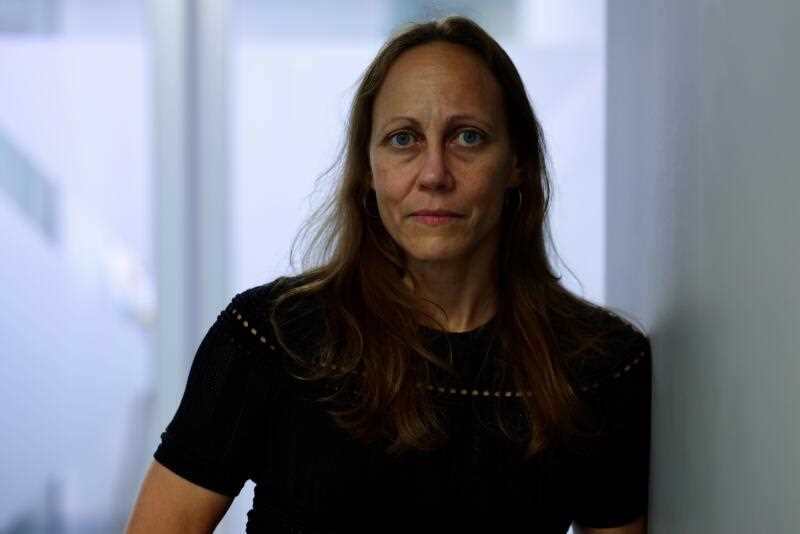
CEO, Natalie Egleton said the Perth launch event reinforced the importance of collaboration across the sector to meet the scale and complexity of need.
“Meaningful impact is only possible when we work together with shared intent, listen deeply and back local leadership,” Ms Egleton said.
On-the-ground insights from WA communities
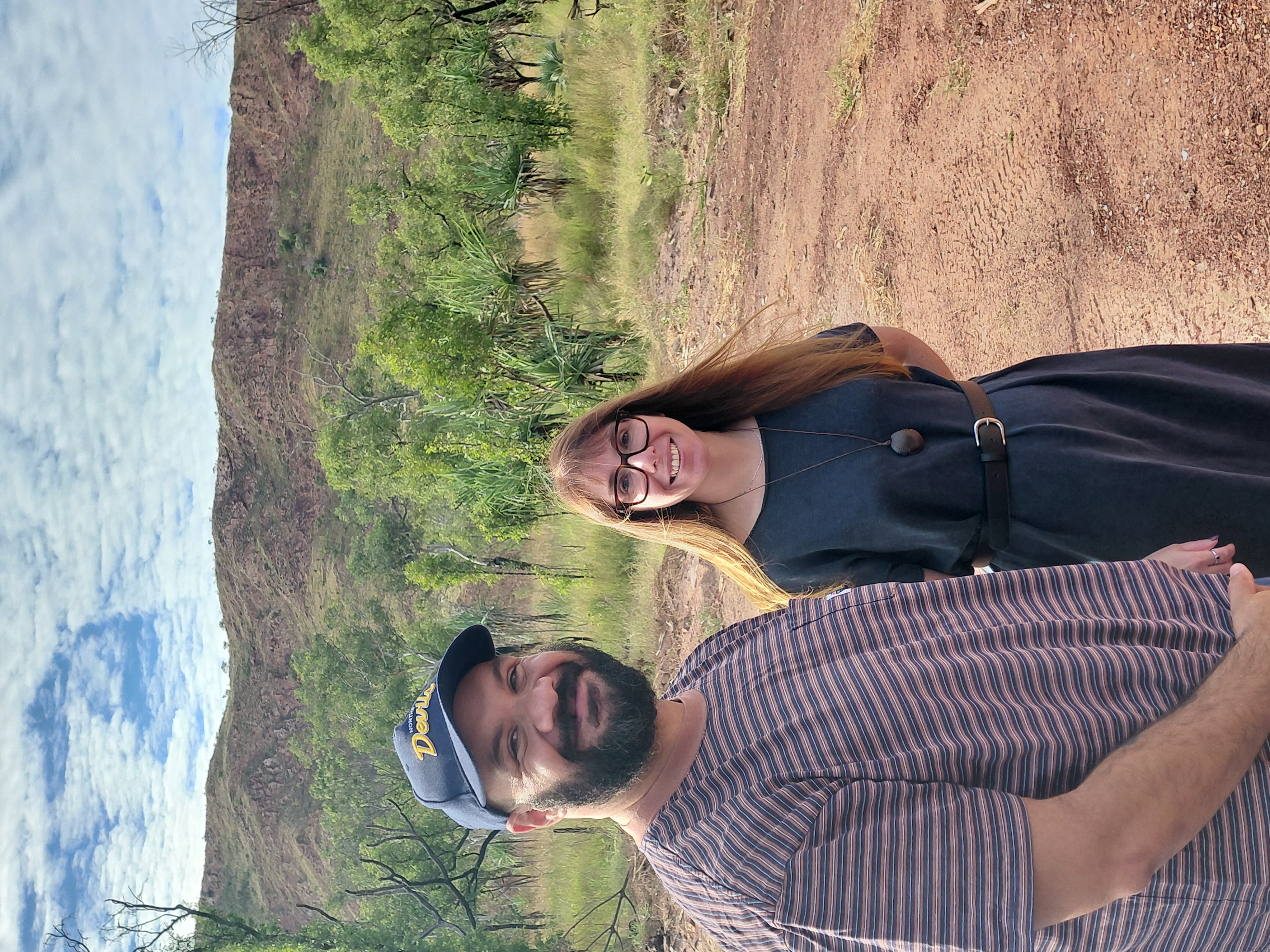
While in WA, FRRR representatives visited communities across the Kimberley, including Kununurra, Wyndham and Wuggubun and attended the Kimberley Remote Aboriginal Community Leadership Network (KRACLN) Forum in Broome.
They heard directly from First Nations leaders about both the strengths of their communities and the ongoing impacts of systemic disadvantage.
Communities spoke of being strong, capable and deeply connected, yet often constrained by “antiquated, colonial systems” and the realities of remote life, including limited infrastructure, workforce shortages and barriers to accessing services and funding.
In very remote communities like Wuggubun, where around 25 residents live, families are increasingly self-sufficient – building their own homes, running cultural tourism enterprises and advocating for essential services – despite challenges such as limited access to trades, disengaged young people and distance from essential services like emergency response units.
Investing in First Nations-led solutions FRRR is already supporting a range of First Nations-led initiatives across WA, demonstrating the type of long-term, community-driven work prioritised under the new strategy.
Foundation for Rural & Regional Renewal
This includes a $150,000 investment in the Kimberley Remote Aboriginal Community Leadership Network (KRACLN), supporting 19 remote communities to strengthen advocacy, build capacity and amplify their voices in decision-making.
Other First Nations’ led organisations and projects that FRRR has supported include:
- Wuggubun Aboriginal Corporation, which is building disaster preparedness and resilience through community-led planning and training;
- Circulanation Ltd, supporting First Nations women in remote areas to build digital leadership and economic opportunities;
- Karrayili Adult Education Centre in Fitzroy Crossing, strengthening digital access and skills through technology and arts programs.
Addressing inequity in remote WA
The WA strategy places a strong emphasis on addressing the disproportionate challenges faced by remote and very remote First Nations communities, where service gaps, infrastructure limitations and funding barriers remain significant.
At the KRACLN Forum, leaders highlighted the varied levels of support and capacity across communities, with some navigating complex funding systems successfully, while others require additional support to exercise self-determination.
FRRR’s approach recognises that these communities often require larger, longer-term investment and partnerships, rather than short-term or one-off funding.
Looking ahead
The new strategy also prioritises supporting the next generation of leaders and embedding climate and disaster resilience – critical for communities already experiencing the impacts of extreme weather and environmental change.
“The success of the strategy will depend on strong partnerships with First Nations organisations, local leaders, philanthropy and government, working together to reshape how remote communities are supported,” Ms Egleton said.
“There is enormous strength, creativity and leadership in these communities. Our role is to listen, stand alongside and help unlock the resources and opportunities communities need to thrive on their own terms.”