Fracture prevention uncovers perspectives on bone health
Research from the National Centre for Healthy Ageing’s Living Labs Research Program has identified unique perspectives and beliefs on bone health among Indigenous adults in Victoria.
Despite Aboriginal and Torres Strait Islander people experiencing a higher rate of fragility fractures from low-impact injuries, such as a fall from standing height, bone health remains an under-researched health issue.
Interviews with 82 participants
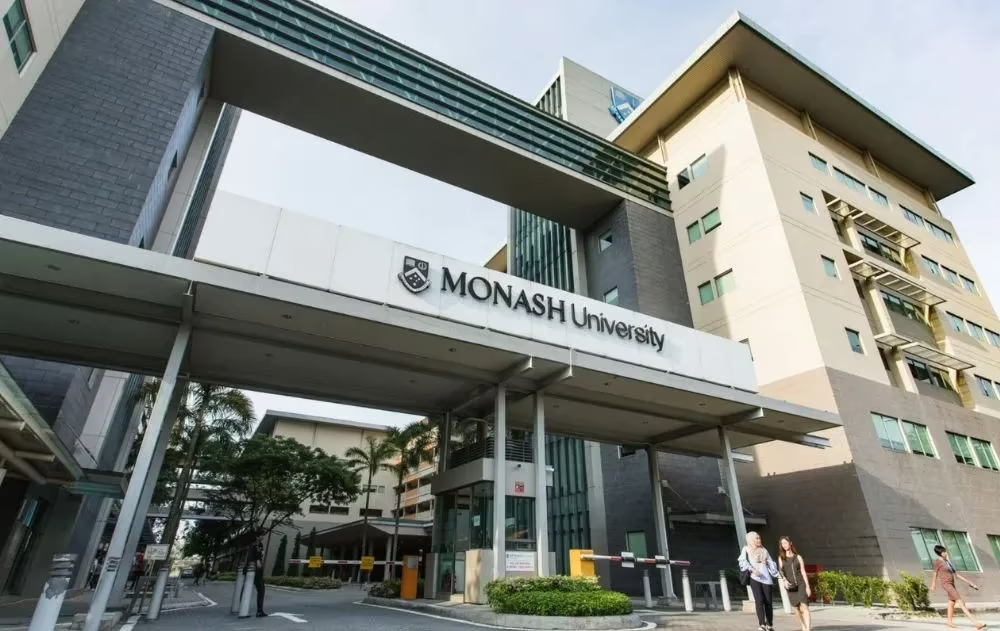
The study, led out by Associate Professor Ayse Zengin from Monash University, found increasing bone health awareness by co-designing community education programs would be beneficial for Indigenous people across the life course.
But to be effective, incorporating traditional Indigenous ways and knowledge along with current health evidence is required.
Published in the Medical Journal of Australia, the research was led by Monash and Aboriginal researcher, Yorta Yota man Dr Troy Walker, and non-Indigenous bone researcher, Associate Professor Zengin.
They drew on interviews with 82 Indigenous participants aged over 35 years across metropolitan and country Victoria, and worked closely with Indigenous health workers from Aboriginal Community Controlled Health Organisations (ACCHOs), and used an Indigenous research framework based on three concepts: Ways of Knowing, Ways of Being, and Ways of Doing.
Participants shared their knowledge about:
- Osteoporosis and maintaining healthy bones
- Other conditions that affect bone health, (cardiovascular disease, chronic kidney disease and type 2 diabetes)
- Their preferred delivery of educational content
Although fractures have a major impact on the health of First Nations people, the team identified that current policy lacks focus on bone conditions like osteoporosis, where timely bone density screening is critical for effective diagnosis, treatment and prevention.
“Understanding perspectives and beliefs about bone health in the Indigenous population is essential for designing effective, culturally safe programs and services,” Associate Professor Zengin said.
Strong Connection to Country
“We found that key components of spirituality and co-created educational programs are often neglected in Indigenous people’s health.”
The study noted that participants openly expressed distrust of medical and western conventions and had strong Connection to Country using ancestral remedies such as bush medicines.
“Participants also raised a lack of time with GPs to discuss bone health, barriers to exercising, and the need for Community-led education for more engagement and a sense of belonging,” Associate Professor Zengin said.
“There was, however, unanimous agreement on the importance of allied health as an essential service for bone, muscle and related lifestyle management.”
Detrimentally affecting bone health
The study concluded that the impact of chronic disease is detrimentally affecting bone health of Indigenous people and merits more attention, increased financial support and research.
They also recommended incorporating traditional Indigenous Ways of Knowing, Doing and Being with current health evidence to be more effective.