First Nations can lead in Australia’s waste management drive
By Dr SALMAN SHOOSHTARIAN
How do Australia’s current waste and circular economy policies recognise and include First Nations communities in building a more sustainable, circular future?
Managing how we use materials and deal with waste has become an important priority in many modern societies, including Australia. Recent figures show that Australia’s total waste production has grown by about 5.6 million tonnes over six years. In response, governments, industries, and communities have launched a range of programs—and are developing new ones—to reduce waste and make better use of our resources.
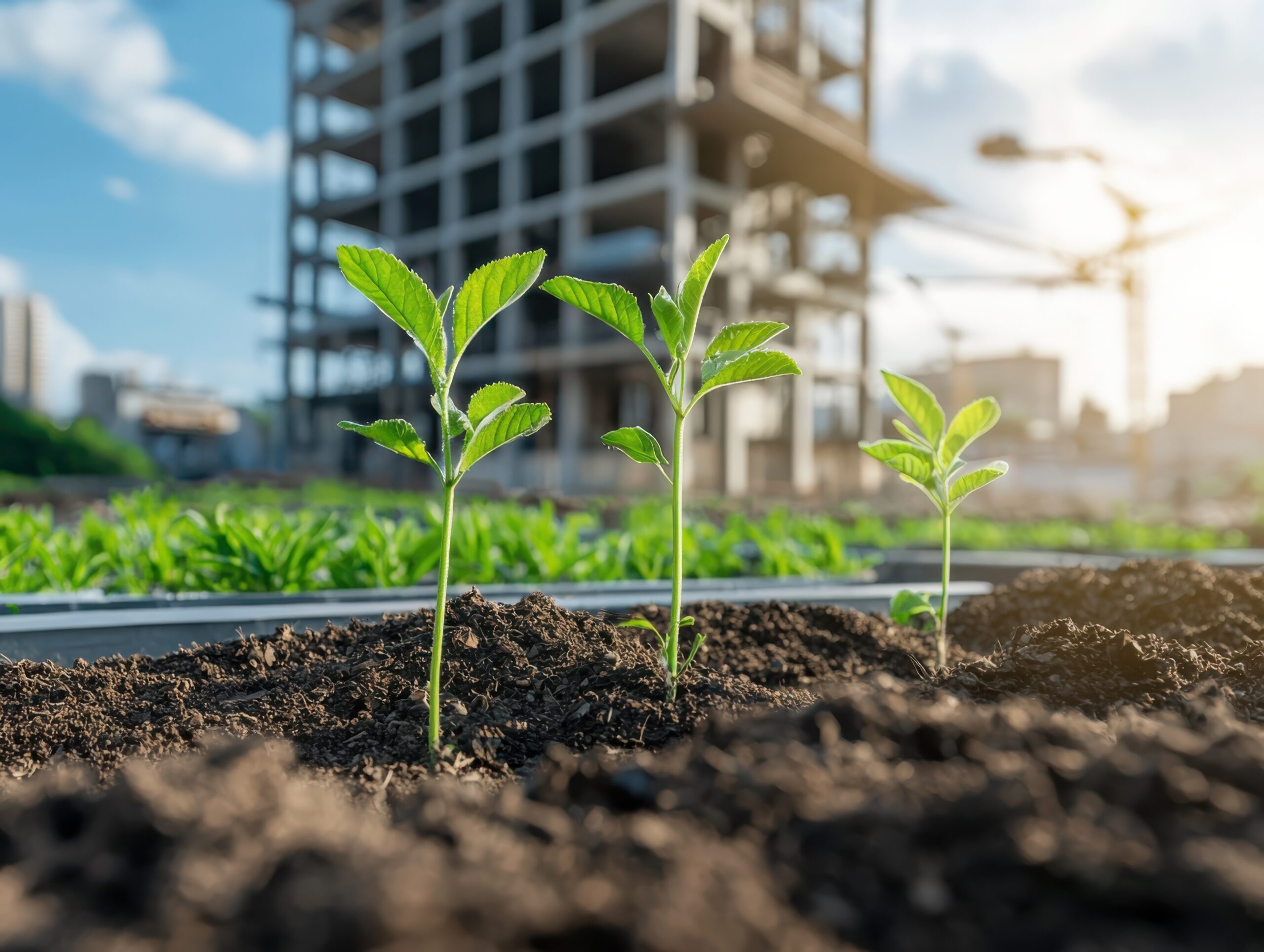
Many of these efforts are based on the idea of a circular economy. This approach aims to move away from the traditional “take, make, and throw away” system and instead create a more sustainable one where materials are reused, repaired, and recycled. The goal is to keep resources in use for as long as possible, reducing waste and helping protect the environment.
Key communities capable of playing a significant role
Australia’s national guidelines and policies recognise that managing waste and building a circular economy is a shared task. The recently released National Circular Economy Framework explains that progress can only happen when governments, businesses, investors, and communities work together. Each has its own role to play in reducing waste, reusing resources, and creating a more sustainable future for everyone.
Indigenous Australians are among the key communities capable of playing a significant role in advancing Australia’s circular economy agenda.
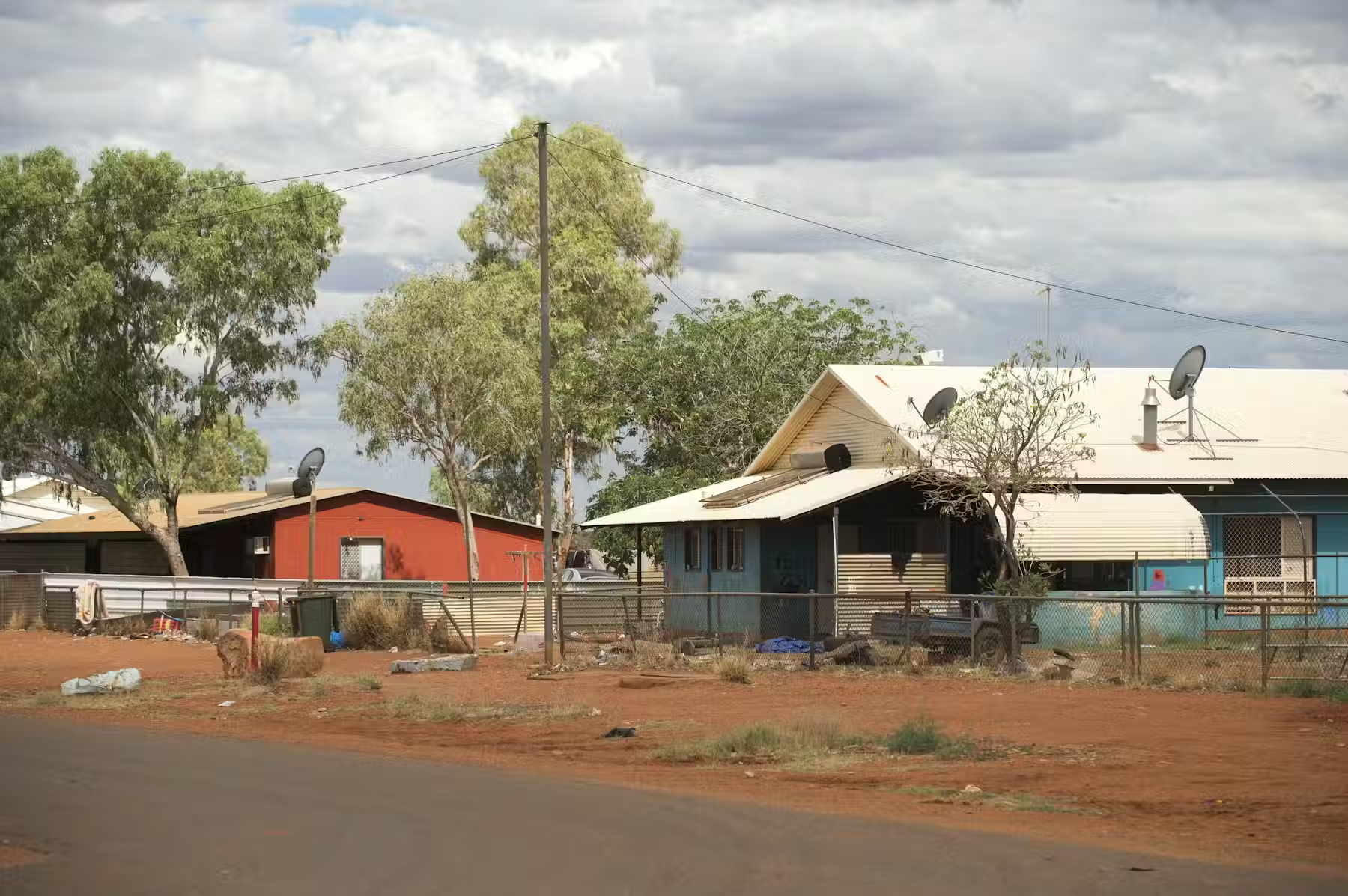
First Nations peoples have been the custodians of Country for at least 65,000 years. Today, Indigenous businesses contribute significantly to Australia’s economy, managing more than $10 billion annually and providing employment for over 70,000 people. It is estimated that around 11,600 First Nations businesses operate nationwide. Many of these enterprises are active in sectors closely linked to resource recovery, such as construction and building maintenance, consulting, plant and equipment services, mining and energy, transportation and logistics, and manufacturing.
Country Centred Circular Economy
It is argued that First Nations communities offer unique contributions to realising circular economy opportunities. Drawing on thousands of years of experience, First Nations peoples bring unique knowledge and sustainable practices that naturally align with circular economy principles of resource efficiency, waste reduction, and environmental care. Previous research in have explored how their knowledge systems and circular economy principles in the Australian context.
For example, Paton and Melotte have developed Country Centred Circular Economy (CC-CE) framework to care for Country and to build a thriving, restorative and resilient economy that can benefit all. These studies, however, did not fully investigate how First Nations communities and businesses are recognised in the Australian circular economy and waste management policy landscape.
In my recent study published in the journal of Sustainable Development I looked at Australia’s national and state waste and circular economy policies to see how much they include and value the role of First Nations communities in building the Australian circular economy.
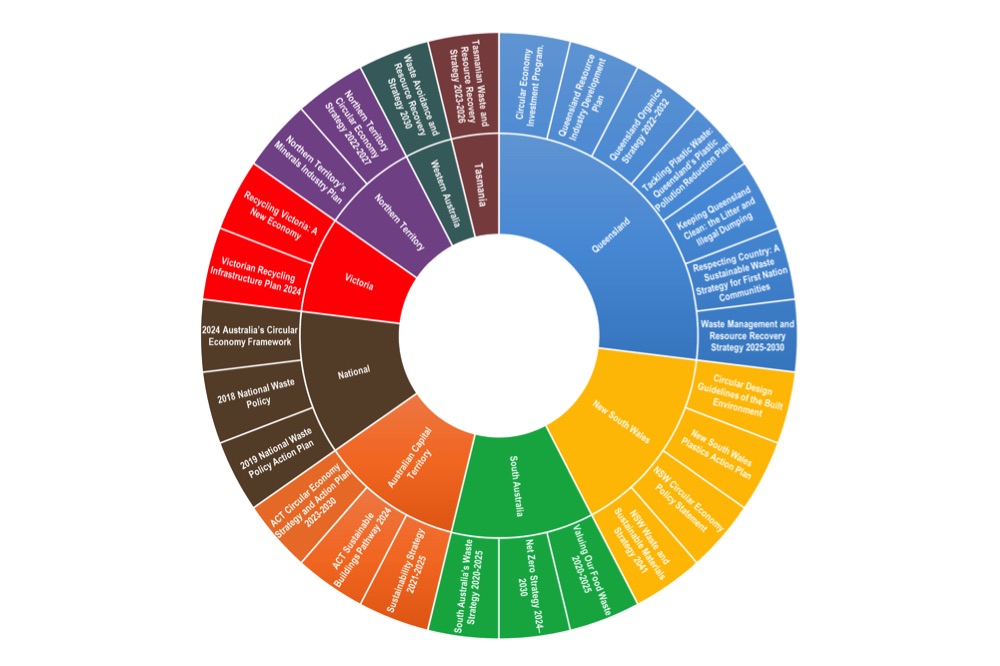
A visual summary of (national and state/territory-based) waste and circular economy policy documents.
While Australia has worked for many years to support First Nations communities, the result of policy analysis shows that most of these policies still fail to properly recognise their knowledge and contributions. It was also found that among Australian states and territories, the Northern Territory, Queensland, and Victoria do not mention the role of First Nations communities in building a circular economy in their main waste strategy documents. Queensland, however, is the only state that has developed a separate waste strategy document just for First Nations communities. This document can serve as a useful example for other states of Australia hoping to involve Indigenous communities more directly in circular and sustainable practices.
Five priority areas
The study also suggests that steps are being taken to include more First Nations perspectives in these policies. For instance, Western Australia’s new Waste Strategy, which is still being discussed with the community, highlights “better outcomes for regional and First Nations communities” as one of its five priority areas.
Drawing on the policy analysis, this study highlights 36 key barriers and 45 practical strategies to better support and strengthen the involvement of First Nations businesses and communities in circular economy initiatives across Australia. Subsequently, the study developed a guiding framework to help government and industry work more closely with First Nations communities and businesses in building a stronger circular economy.
This framework encourages cooperation, respect, and shared responsibility between governments, industry, and First Nations communities. It can guide the creation of new Waste Strategy documents that better recognise and include First Nations knowledge, values, and leadership in shaping Australia’s circular economy.
- Dr. Salman Shooshtarian is a senior lecturer and Deputy Director of RMIT’s Construction Waste Lab (CWL). In CWL, he has project-managed multiple industry-driven research projects advancing the circular economy in the built environment sector, collectively valued at over $1 million. He is the co-founder of CWL Research and Industry Portal, which is a knowledge hub for C&D waste management in Australia.