Disabled Indigenous Australians face ‘double discrimination’
Aboriginal and Torres Strait Islander employees with disability face a double burden of racism and ableism in Australian workplaces.
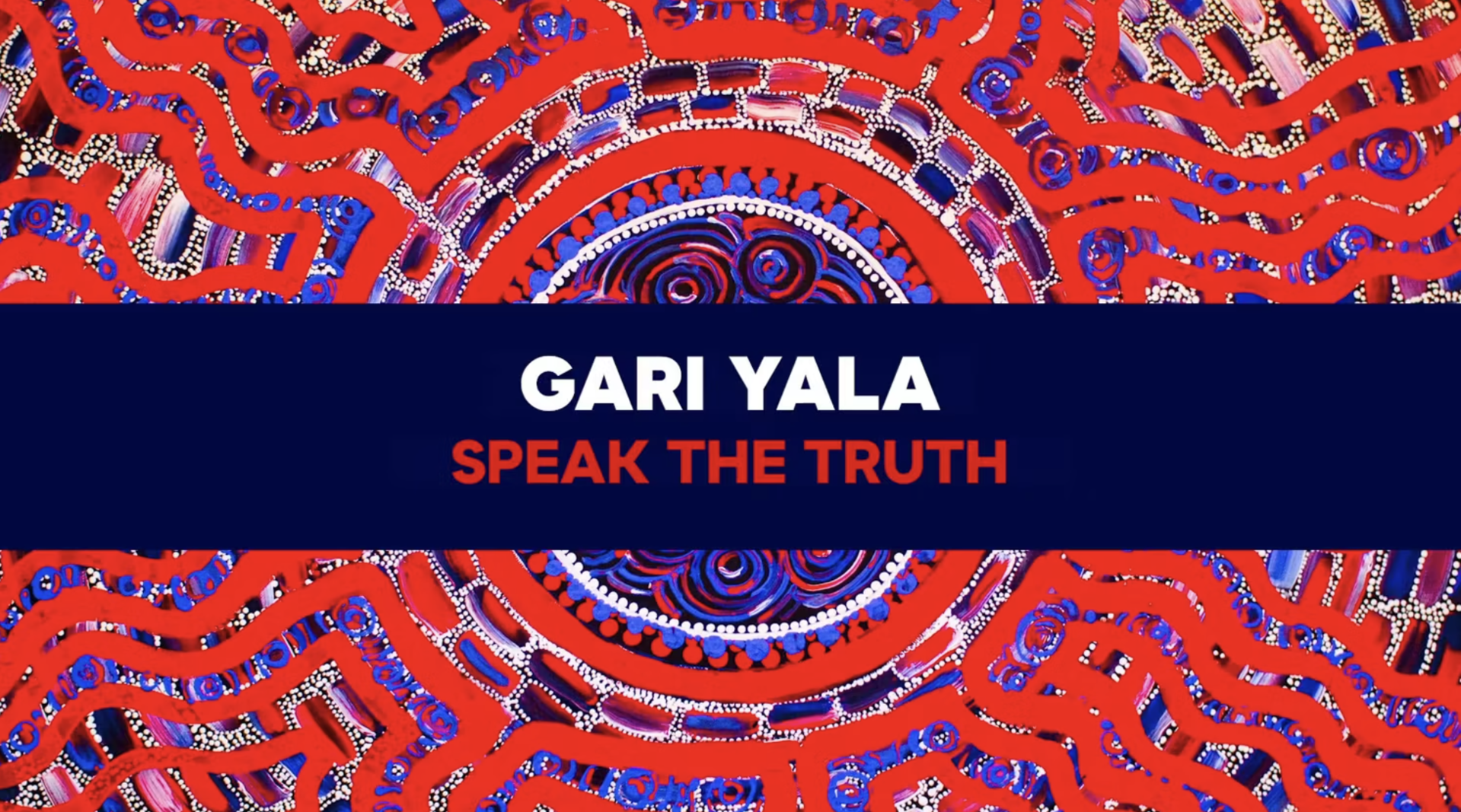
Powerful new findings from the upcoming NAB sponsored Gari Yala (Speak the Truth) 2025 report by the Centre for Indigenous People and Work at the University of Technology Sydney shows that Indigenous workers with disability are significantly more likely to experience harmful racist behaviour than their Indigenous colleagues without disability.
One in four Aboriginal and Torres Strait Islander people have a disability, but they are much less likely to be employed than Indigenous people without disability – 40 per cent of Indigenous people aged 15–64 with disability are employed, compared with 75 per cent of Indigenous people without disability.
Inaccurate assumptions
“This research reveals how multiple layers of discrimination can stack up and amplify the harm caused, pushing Indigenous employees with disability to the margins of workplace culture and having a severe impact on cultural safety and career outcomes,” Chair of the Centre’s Indigenous Advisory Council, Tanya Hosch, said.
“Aboriginal and/or Torres Strait Islander workers already face negative stereotypes.
“When disability intersects, harmful inaccurate assumptions intensify, amplifying workplace exclusion and discrimination. As a result, it’s not enough to tackle racism or ableism in isolation because for many, these challenges don’t come one at a time.”
The findings highlight the urgent need for employers and government to address the heightened levels of harm created when racism and ableism collide.
The research underscores the need for the Racial Discrimination Act to include a positive duty to eliminate racial discrimination, putting a legal obligation on employers to take ‘reasonable and proportionate measures’ to proactively prevent racism rather than just react to the harm after it has happened.
Positive steps
“Employers need to avoid taking a ‘silo’ approach to diversity and inclusion where they focus on Indigenous employment first and then separately consider disability employment,” Ms Hosch said.
“Instead, they can take positive steps like ensuring their Indigenous employment initiatives engage with a diversity of Aboriginal and/or Torres Strait Islander people, including those who experience greatest levels of exclusion and discrimination such as Indigenous employees with disability.
“Employers also need to exercise caution around AI recruitment tools which have been shown to contain racial bias and often be inaccessible to applicants with disability. Instead they should allow applicants to apply using other processes.”
Key findings
Indigenous employees with disability are much more likely to experience harmful racism at work
- 31 per cent of Aboriginal and/or Torres Strait Islander employees with disability experienced non-Indigenous employees making inappropriate comments or assumptions about Aboriginal and/or Torres Strait Islander peoples often or very often (versus 23 per cent of Indigenous people without disability).
- 33 per cent per cent of Aboriginal and/or Torres Strait Islander employees with disability experienced people at work acting as if they were better than them often or very often (versus 25 per cent of Indigenous employees without disability)
- 31 per cent of Aboriginal and/or Torres Strait Islander employees with disability experienced getting comments about the way they look or should look as an Aboriginal and/or Torres Strait Islander person often or very often (versus 24 per cent)
- 29 per cent of disabled Indigenous employees experience people at work acting as if they’re not smart often or very often (versus 20 per cent of non-disabled Indigenous employees)
- 25 per cent of disabled Indigenous employees experienced being ignored or not taken seriously by their manager often or very often (versus 19 per cent of disabled Indigenous employees)
- For Aboriginal and/or Torres Strait Islander employees with disability, it was also rare for them to be judged as meeting workplace expectations. Concerningly, only 14 per cent never experienced being judged in this way compared to 27 per cent of Indigenous employees without disability.
Cultural safety is key
- Almost 9 out of 10 (88 per cent) Aboriginal and/or Torres Strait Islander employees with disability reporting it is important for them to share their Indigenous identity and culture at work.
- Yet Aboriginal and/or Torres Strait Islander employees with disability are less likely to feel safe to share their identity and culture at work – only 32 per cent of Aboriginal and/or Torres Strait Islander employees with disability said it was safe to share their Indigenous identity with people at work, compared to 40 per cent of Indigenous employees without disability.
- Aboriginal and/or Torres Strait Islander employees with disability were twice as likely as Indigenous employees without disability to report that their workplace was never or only rarely culturally safe for peoples (22per cent versus 11 per cent).
Impact of racism and lack of cultural safety
- 28 per cent of Indigenous employees without disability strongly agree they are very satisfied with their job compared to just 19 per cent of Indigenous employees with disability
- 23 per cent of Indigenous employees with disability disagreed or strongly disagreed that they would recommend their employer compared to just 11 per cent of Indigenous employees without disability.