Darwin Aboriginal Art Fair marks 20th anniversary
The Darwin Aboriginal Art Fair will return to Larrakia Country and online in August, marking 20 years of showcasing Aboriginal and Torres Strait Islander art, design and culture.
The internationally recognised fair, from August 2-9, will again be free to attend and open to audiences in Garamilla (Darwin) and worldwide.
Key Points
- DAAF returns 2–9 August 2026 on Larrakia Country and online
- Free fair features artwork from over 75 Indigenous-owned Art Centres
- One hundred per cent of sales returned to Art Centres and communities
- Expanded public program includes workshops, talks, dance and activities
- Country to Couture set for 2–3 August; NIFA on 5 August
- Bula’bula Arts among first Art Centres returning to mark 20 years
- DAAF topped sales in 2025; over $34.2 million since 2016
Milestone event and schedule
Now in its 20th year, the fair invites the public to engage with the rich, contemporary expressions of the world’s oldest living cultures. Running alongside the Foundation’s Indigenous Fashion Project’s events, the program will open with Country to Couture runways on 2 and 3 August and the National Indigenous Fashion Awards on 5 August.
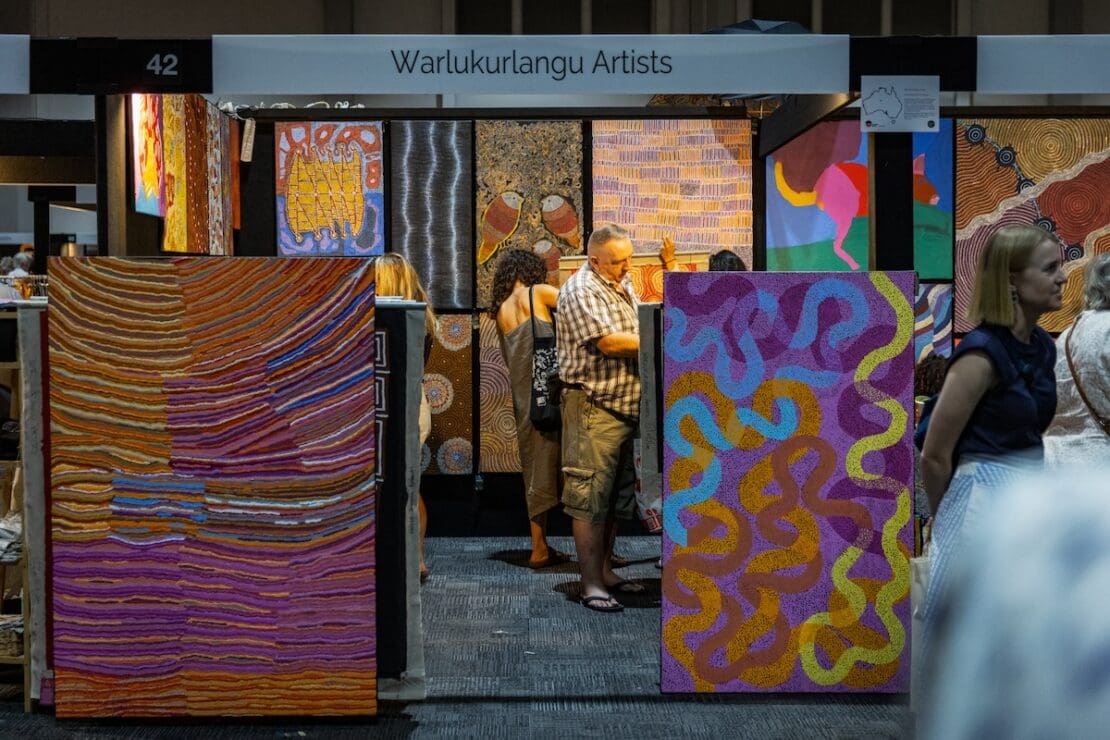
The fair provides art lovers, collectors and visitors an ethical platform to purchase work directly from over 75 Indigenous-owned Art Centres across Australia. 100 per cent of sales are returned to Art Centres and their communities. The fair’s in-person marketplace will be complemented by DAAF Online, enabling visitors unable to travel to Garamilla (Darwin) to shop directly from Art Centres during the same period.
“DAAF started with a clear vision to create a platform for community owned Art Centres to showcase the vibrancy and rich cultural tapestry of Indigenous art and creativity – giving them the autonomy to showcase the work of their communities in their own way,” Claire Summers, executive director of the foundation, said.
“Twenty years on, that vision remains at the heart of what we do – connecting Indigenous governed and community-led Art Centres directly with the world.”
According to the Foundation, DAAF is distinctive in that it is owned by the Art Centres themselves, who determine the event’s growth and evolution. The organisation highlights the fair’s role in ensuring artists are fairly represented and supported, while contributing to the Northern Territory’s cultural and tourism landscape.
Program highlights and returning Art Centres
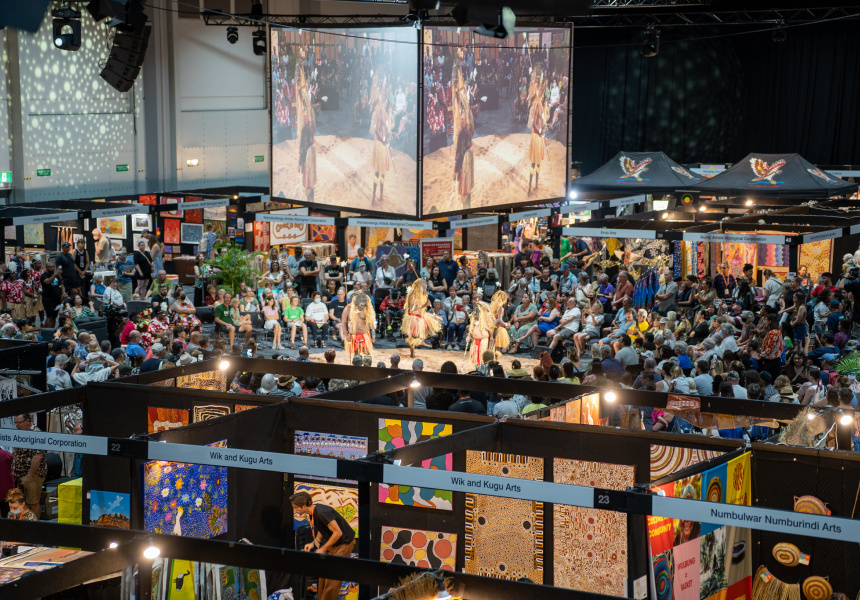
The fair’s expanded public program will run over three days, offering opportunities to connect with artistic practice, cultural traditions and contemporary design. The schedule features:
- Artist-led workshops and masterclasses
- Dance performances
- Artist talks and material demonstrations
- Children’s activities
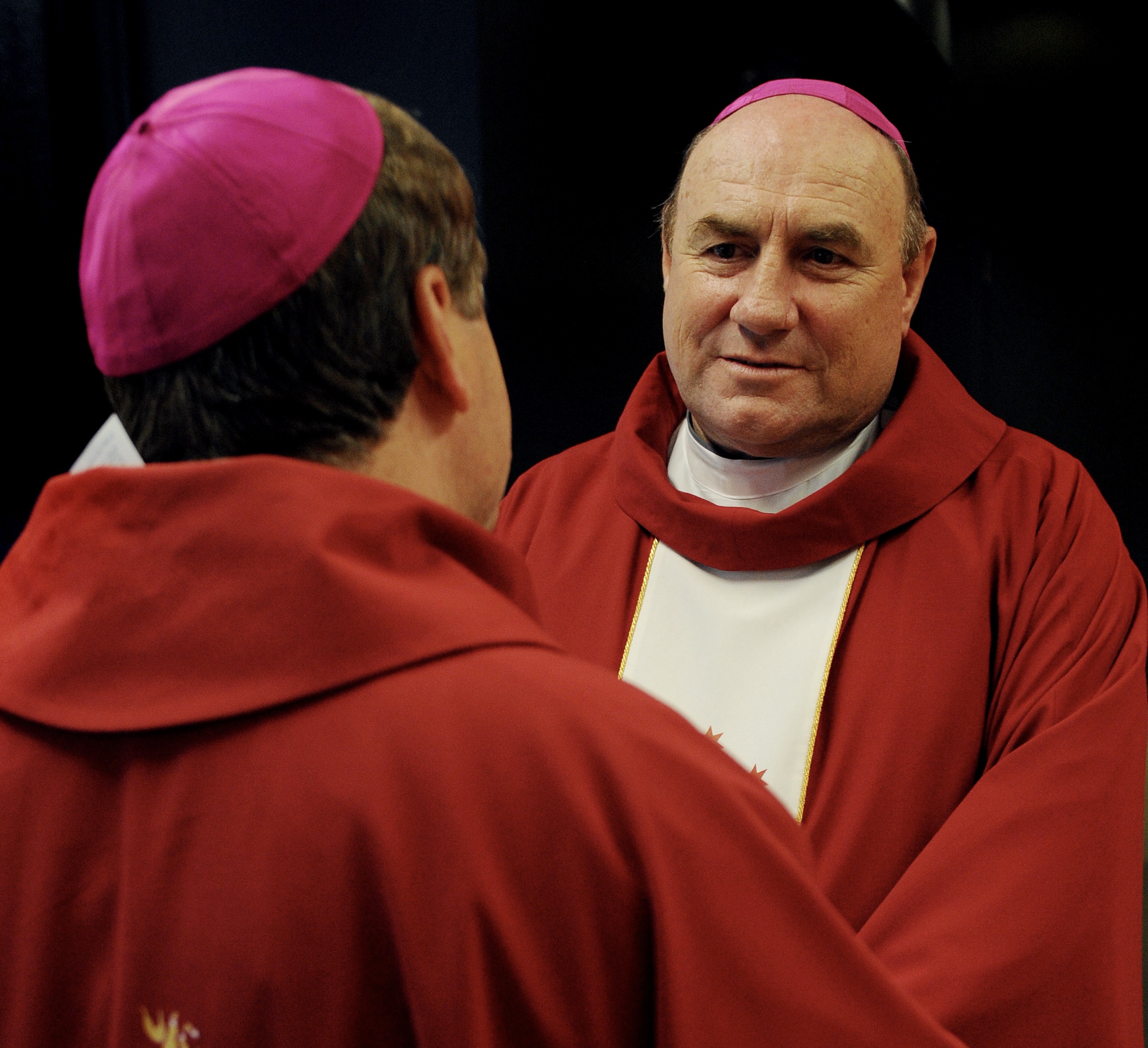
DAAF will also welcome back several of its first participating Art Centres, celebrating two decades of shared history on Larrakia Country. Among them is Bula’bula Arts, which has been involved since the fair’s earliest years. The Foundation describes Bula’bula Arts’ long-term commitment as emblematic of the event’s purpose: to champion the breadth of Aboriginal and Torres Strait Islander art, design and culture that have shaped DAAF’s evolution.
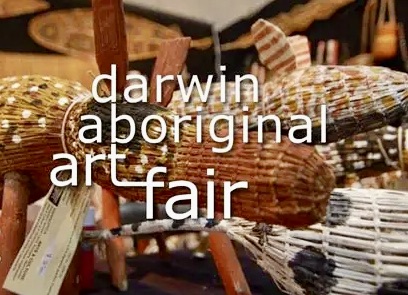
“For Bula’bula Arts, twenty years of the Darwin Aboriginal Art Fair represents two decades of Yolŋu voices standing strong on a national stage. It reflects Ramingining artists growing in confidence, pride and opportunity,” Mel George, manager of Bula’bula Arts said.
Mr George added that being part of a national movement of Aboriginal and Torres Strait Islander creativity is deeply affirming for artists, who draw strength from contributing their stories to a collective expression of First Nations excellence.
Fashion showcases
In the lead-up to the fair, First Nations fashion and textiles will be in the spotlight. Country to Couture returns for its 11th presentation, expanded across two evenings, alongside the National Indigenous Fashion Awards. Organisers state these events have become mainstays of the Australian fashion calendar, helping launch the careers of First Nations designers, artists, models and creatives.
2025 marked the fair’s highest sales on record and extended a five-year run (2021–2025) of clearing the $5 million mark for participating Art Centres. Over the past decade DAAF said it has generated more than $34.2 million for the Aboriginal and Torres Strait Islander visual art sector.