Darwin Aboriginal Art Fair marks 20 years with expanded 2026 program
The Darwin Aboriginal Art Fair (DAAF) returns this August to Larrakia Country for its 20th anniversary, bringing together Aboriginal and Torres Strait Islander artists, designers and performers from across Australia.
Organisers have highlighted a broad program of in-person and online events, alongside cultural performances and fashion showcases.
Key Points
- Darwin Aboriginal Art Fair returns this August for its 20th anniversary
- DAAF began in 2007 with 16 art centres and now features 75
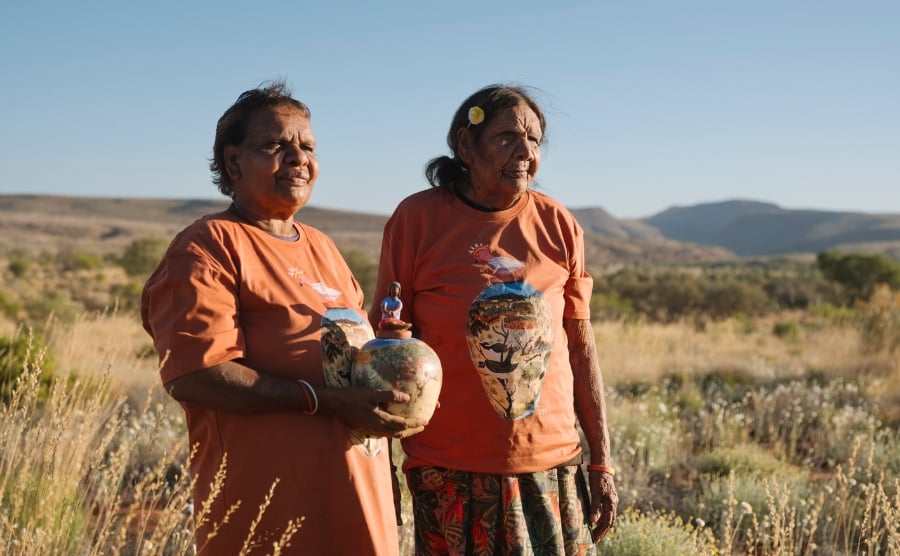
- Hermannsburg Potters named among 80 art centres exhibiting in 2026
- DAAF takes no commission, directing 100 per cent of sales to art centres
- 2025 sales exceeded $5 million, marking five years above $4 million
- Over the past decade, more than $34 million flowed to the sector
- Program includes cultural performances, workshops, and fashion events
DAAF launched in 2007 with 16 art centres exhibiting and has since grown into what organisers describe as the nation’s largest Indigenous art fair.
According to the event, 75 Indigenous-owned art centres now represent more than 1800 artists from over 100 language groups. A photo caption associated with the 2026 edition notes that Hermannsburg Potters is one of 80 art centres exhibiting at the 2026 Darwin Aboriginal Art Fair.
No commission on sales
DAAF’s model is designed to maximise returns to communities. Unlike commercial galleries and art fairs, the event takes no commission on sales, ensuring 100 per cent of purchases go directly to art centres. Organisers state that, in some cases, this contributes up to 25 per cent of a centre’s annual income. Purchases are framed as having a direct and meaningful impact on participating communities.
“DAAF has organically grown and evolved over the past 20 years […] We now have a truly national footprint and are recognised globally as the most significant meeting place to celebrate Aboriginal and Torres Strait Islander art,” executive director Claire Summers, said.
Summers also emphasised governance as central to ethical practice, noting the fair is owned and operated by Indigenous-owned art centres. The three-day in-person fair as a vibrant meeting place of culture, creativity and community on Larrakia Country.
Program highlights
Artworks made available at the fair encompass a wide range of styles and practices, including bark painting, prints, sculpture and ceramics, as well as weaving and textiles, jewellery, fashion and cultural design objects. The fair also features artist talks, hands-on workshops, dance performances, masterclasses, weaving demonstrations and family-friendly activities.
For those who cannot attend in person, DAAF’s online art fair offers additional opportunities to view and purchase works, with national and international audiences anticipated. The 2026 program includes cultural performances by the Peppimenarti Dancers, Kerkar Kus Dance Team from Erub Island, the Tiwi Dancers, Manuel Pamkal and a performance by iconic First Nations band Coloured Stone.
“Cultural performances are part of the world’s oldest continuing culture. Since time immemorial, song and dance has carried connection to Country, knowledge and story, passing these traditions from one generation to the next,” Artisitic Director Simon Carmichael said.
Fashion showcases and sector impact
Marking the 20th anniversary, the successful fashion events hosted by Indigenous Fashion Projects return over the four days leading in to the fair, creating a full week of activities and celebrations.
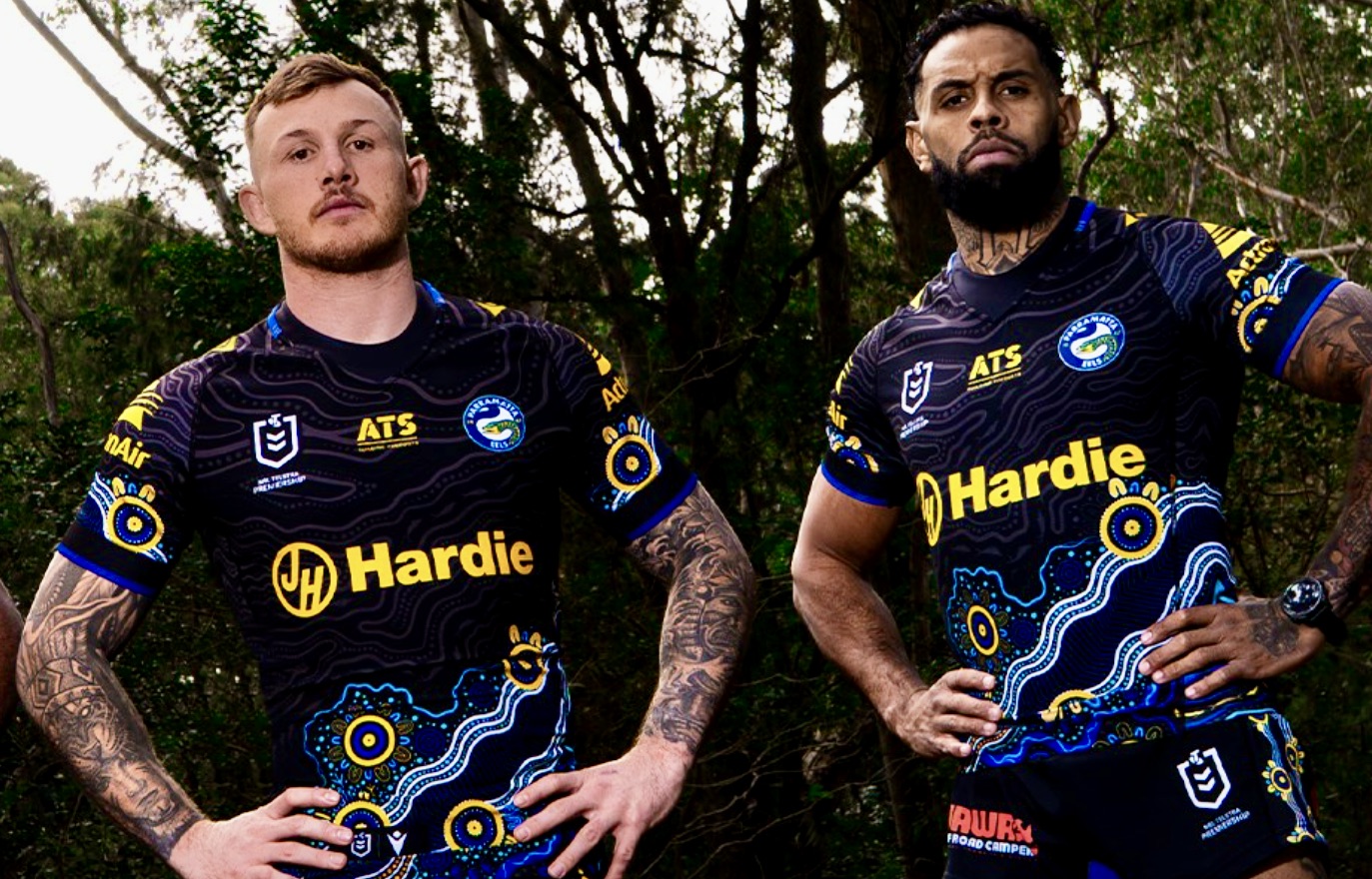
The acclaimed Country to Couture events will take place across two evenings, highlighting First Nations fashion and textile design. The National Indigenous Fashion Awards will also be presented, recognising creatives shaping the future of Indigenous fashion in Australia and beyond. According to organisers, these platforms have helped cement the careers of First Nations designers, artists and models, while showcasing fashion grounded in culture and storytelling traditions.
DAAF reports continued growth in economic outcomes. In 2025, the fair achieved its highest sales record yet, securing over $5 million and extending a five-year streak of generating more than $4 million annually for participating art centres.
Over the past decade, more than $34 million has flowed directly into the Aboriginal and Torres Strait Islander arts sector through the fair.